
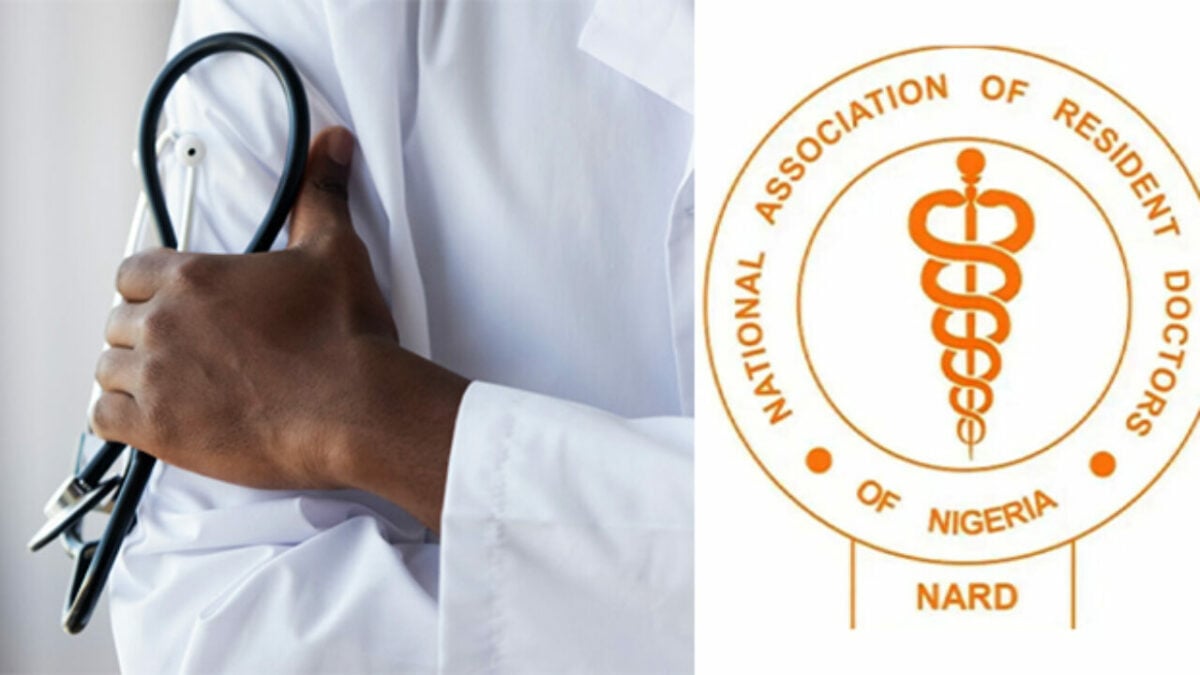
The Nigerian Association of Resident Doctors (NARD) has cautioned the public against the spread of medical misinformation following the death of Abuja-based singer, Ifunaya, who reportedly died from complications of a snakebite.
NARD, in a statement by its president, Dr Mohammad Usman Suleiman, secretary-general, Dr Shuaibu Ibrahim, and publicity, social secretary, Dr. Abdulmajid Yahya Ibrahim, on Thursday, expressed condolences to the bereaved family but said it was concerned about misleading narratives circulating in the media, particularly comments made during a recent TVC breakfast programme, which it described as “inaccurate”.
The doctors said claims that victims should tie or constrict the affected limb after a snakebite were outdated and medically unsafe, noting that the practice has been abandoned globally because it worsens tissue damage and increases the risk of necrosis without stopping venom spread.
The association also dismissed suggestions that administering intravenous fluids to snakebite patients is inappropriate, stressing that IV fluids are “standard, life-saving supportive therapy” in cases involving shock, dehydration, or hemotoxic complications.
NARD said the real threat to snakebite survival in Nigeria is the chronic shortage of antivenom, the only definitive treatment for envenomation.
‘It is incorrect and misleading to suggest that intravenous fluids are “treatment for malaria.” Rather, they are a fundamental supportive intervention used across a wide range of medical emergencies.
“It is important to emphasise that snake antivenom remains the definitive treatment for envenomation, and its timely availability can mean the difference between life and death,” the statement explained.
The association said the recurrent unavailability of antivenom and other essential medicines highlights deep systemic failures in the country’s drug procurement and health-care supply chain.
“Unfortunately, the persistent unavailability of antivenom and other
Essential medicines in many Nigerian hospitals reflect a longstanding systemic failure in health financing, procurement, and supply chain management. This is the core issue that deserves national attention.
“Frontline healthcare workers operate daily under extremely constrained conditions, often without essential drugs, adequate equipment, or sufficient staffing. Yet, continue to provide care to the best of their training and ability. Publicly blaming healthcare workers for outcomes stemming from systemic deficiencies is not only unjust but also counterproductive, the association stated.
NARD urged the media to verify medical claims before broadcasting them, adding that misinformation can undermine public confidence and put lives at risk in emergency situations such as snakebites.
We’ve got the edge. Get real-time reports, breaking scoops, and exclusive angles delivered straight to your phone. Don’t settle for stale news. Join LEADERSHIP NEWS on WhatsApp for 24/7 updates →
Join Our WhatsApp Channel