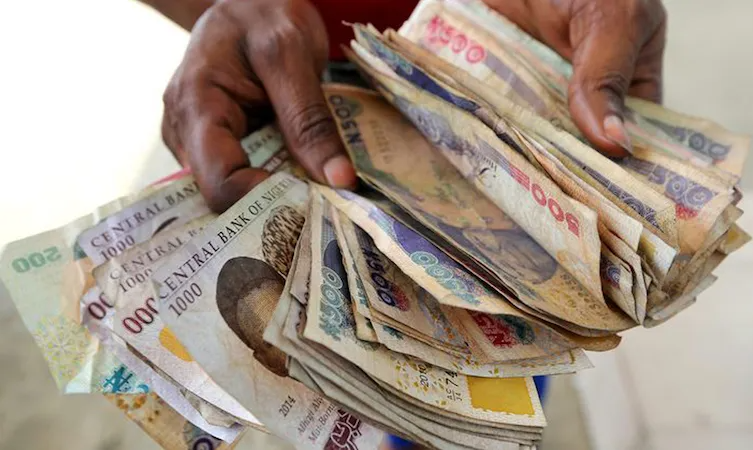
Despite improved macroeconomic indicators, including a more stable naira, rising external reserves and easing inflation, Nigerians are yet to feel the impact in their daily lives, as the cost of living remains high and purchasing power weak, economists have decried.
They argued that while stabilisation has been achieved on paper, it has not translated into affordable food, transport, jobs and better business conditions, urging the government to shift focus from headline numbers to real incomes and household welfare.
Chairman of Alliance for Economic Research and Ethics, Dele Oye, said Nigeria’s improving macroeconomic indicators have not translated into better living conditions for citizens.
Speaking during a TV interview, Oye said national inflation of 15.39 per cent masks harsh realities, citing 51 per cent food inflation in Adamawa in July, saying that growth means little to market women facing high prices.
He urged the federal government to prioritise food security, single-digit lending and job creation, noting that GDP cannot grow with a 30 per cent interest rate.
He also faulted state governments for misplaced spending and tasked the EFCC with citing the law criminalising dollar-denominated legal fees.
The national president of the Association of Small Business Owners of Nigeria (ASBON), Dr Femi Egbesola, also stated that Nigeria’s improving macroeconomic indicators are yet to translate into improved living conditions for Nigerians.
He noted that while the naira is relatively more stable, reserves have improved and inflation is easing, macroeconomic stability does not automatically mean improved welfare.
“I broadly agree that Nigeria’s improving macroeconomic indicators have not yet translated sufficiently into improved living conditions. The naira is relatively more stable, reserves have improved and inflation is easing, but macroeconomic stability is not the same as improved welfare,” he said.
According to him, the real test of economic performance is whether Nigerians are experiencing stronger purchasing power, affordable food, jobs and better business conditions.
Egbesola explained that slower inflation does not mean lower prices, as food, transport, housing and other essentials remain expensive, while businesses still face high financing, energy and logistics costs.
“The challenge is that slower inflation does not mean lower prices. Food, transport, housing and other essentials remain expensive, while businesses still face high financing, energy and logistics costs,” he stated.
He added that “consequently, the economy may be stabilising without household incomes and purchasing power recovering at the same pace.”
He urged the government to focus on turning stability into prosperity by increasing food production, reducing energy and logistics costs, expanding affordable credit to Micro, Small and Medium Enterprises (MSMEs) and supporting job creation.
“Economic success should ultimately be measured not only by inflation, reserves and exchange rates, but by real incomes, affordability, employment and the ability of businesses to survive and grow,” Egbesola said.
The director/CEO of Centre for the Promotion of Private Enterprise (CPPE), Dr. Muda Yusuf called on the federal government to move its reforms from stabilisation to growth and improved welfare.
Yusuf pointed out that the reforms have delivered measurable macroeconomic gains, including stronger government revenues, a more stable foreign-exchange market, improved external reserves, expanded trade surplus and recovered investor confidence.
He, however, said macroeconomic stability is a means, not an end, noting that the real test is whether it translates into higher productivity, jobs and improved living standards.
“That transmission remains incomplete. Purchasing power remains under pressure, while businesses continue to contend with high energy, financing, logistics and regulatory costs,” he said.
He disclosed that the reforms have expanded fiscal space for states through higher allocations and urged greater accountability, insisting higher revenues must produce visible dividends in roads, healthcare, transport, education and security, not just recurrent spending.
Yusuf said Nigeria’s next reform frontier should tackle structural constraints including electricity, logistics, insecurity and high cost of capital, while sustaining reforms to avoid eroding gains.
We’ve got the edge. Get real-time reports, breaking scoops, and exclusive angles delivered straight to your phone. Don’t settle for stale news. Join LEADERSHIP NEWS on WhatsApp for 24/7 updates →
Join Our WhatsApp Channel