

Health experts and patient advocates have raised concerns over Nigeria’s growing Non-Communicable Disease (NCD) crisis, calling for urgent government investment, stronger policies, and sustained community awareness.
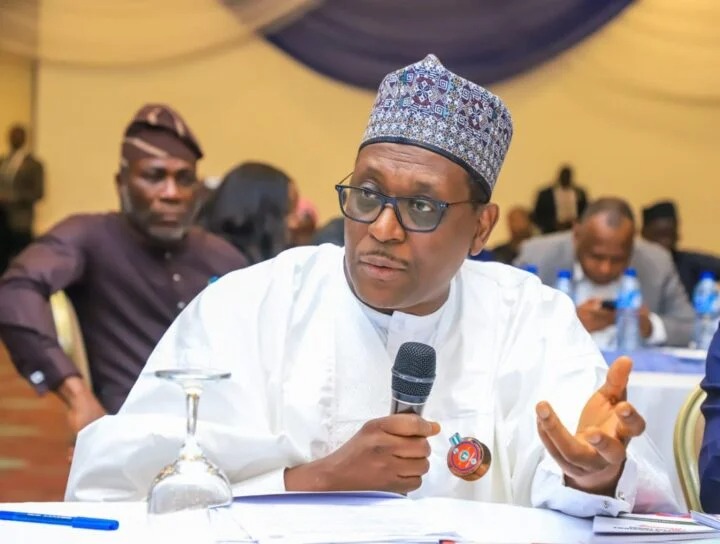
They made the call at the National Orientation Workshop for Patients, Patient Support Organisations, and Media Practitioners on NCD Budget Advocacy, organised by the Legislative Initiative for Sustainable Development (LISDEL) in Abuja.
A haematologist and founder of the Leukaemia Care Plus Initiative, who also serves as Vice President of the Nigerian Cancer Society, Dr Chi-Kadibia Okoma, said the burden of NCDs in the country has reached alarming levels, surpassing many infectious diseases that once dominated national health concerns.
He said, “The burden of NCDs is so enormous. Almost everyone is affected in one way or another; if you don’t have hypertension, you may have diabetes, cancer, or other chronic diseases. These conditions cost so much to manage that they lead to catastrophic health spending. No matter how much you have, it is difficult to sustain treatment.”
He stressed that government funding for NCDs is “grossly inadequate,” adding that the little available resources are disproportionately channelled into a single segment, leaving major conditions such as hypertension, cancer, diabetes, and sickle cell disease underfunded.
“The government needs to put in more effort and more funding. NCDs are no longer social diseases; they affect the entirety of Nigeria,” he said.
Dr Okoma also urged Nigerians to prioritise prevention through healthy lifestyle choices:
eating natural, unprocessed foods, reducing intake of fatty foods, exercising regularly, and avoiding habits that heighten risk.
“Most of us sit in the office all day. We need to move, track our physical activity, and avoid processed foods. For cancer, avail yourself of screening. Early detection saves lives,” he advised.
Also speaking, the Executive Director of the Benedicx Better Life Initiative and a primary healthcare worker in Abia State, Mrs Akomah-Charles Ugonna, noted that the lack of accurate data is hampering response efforts.
She recalled alarming incidents in Umuahia where two women died suddenly in separate locations due to uncontrolled hypertension.
“NCDs are always with us, but we do not have enough data to make informed decisions. NCDs have not been given the needed attention in health interventions,” she said.
She said her organisation works with communities, conducting sensitisation, BP checks, mobilisation, and forming support groups to identify and assist NCD patients. However, she noted severe gaps in primary healthcare capacity.
“We do free BP checks, but for diabetes and cancer, we cannot screen because strips and essential supplies are not available. Governments at all levels must join hands with civil society organisations to reduce the deaths associated with NCDs,” she urged.
We’ve got the edge. Get real-time reports, breaking scoops, and exclusive angles delivered straight to your phone. Don’t settle for stale news. Join LEADERSHIP NEWS on WhatsApp for 24/7 updates →
Join Our WhatsApp Channel
