
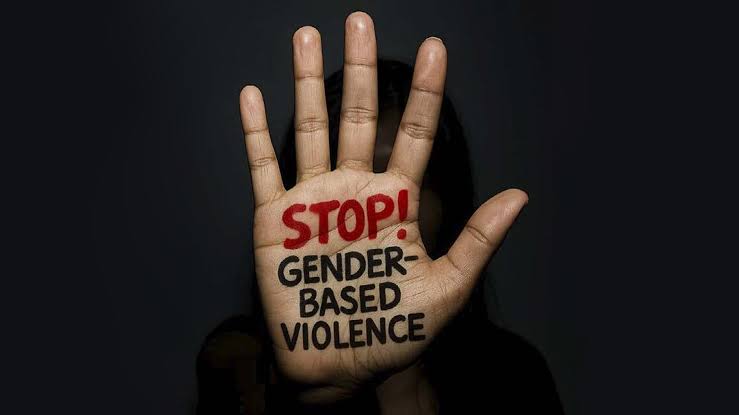
Stakeholders in Kaduna State have alleged rising cases of sexual and gender-based violence (SGBV) by some religious leaders.
They lamented that the abuse of spiritual authority is exposing women, girls and children to sexual exploitation, physical abuse and psychological trauma.
The statekholders, therefore, called for stricter enforcement of the Violence Against Persons Prohibition (VAPP) Law, improved investigation and prosecution of offenders and greater accountability among religious institutions and relevant government agencies.
The stakeholders, drawn from government ministries, security agencies, Kaduna State University, the National Human Rights Commission (NHRC), civil society organisations, the media, CLEEN Foundation and other institutions, expressed concern that some religious leaders allegedly exploit the trust placed in them by people seeking spiritual guidance, prayers, counselling and religious instruction.
The concerns were raised at the opening of a two-day state-level policy dialogue on bridging the implementation gap in the VAPP Law, organised by CLEEN Foundation in Kaduna.
The project manager of CLEEN Foundation, Dr Salaudeen Hashim, said religious leaders who should provide protection and guidance were increasingly becoming threats to the people under their care.
“There is a crisis emerging from the fact that some worship centres, particularly religious leaders, have become perpetrators, preying on the supposed sheep, or those they have the responsibility to safeguard,” Hashim said.
He expressed concern that some people who approached religious leaders for counselling or faith-based interventions were allegedly subjected to sexual abuse and other violations of their rights.
“Rather than protect, they have become a rising threat because quite a number of recent developments have suggested that religious leaders are becoming increasingly involved in violating the rights of victims and survivors who approach them for some sort of counselling,” he said.
Hashim noted that several cases and accounts emerging from different quarters warranted closer scrutiny, urging the relevant interreligious bodies in the state to examine the activities of religious leaders and address abuses within their institutions.
“If we have an area where people are supposed to feel safe becoming very volatile, I think it is very important that we begin to pay attention to it,” he said.
Also speaking, a Senior State Counsel and prosecutor with the Kaduna State Ministry of Justice, Ambassador Sarah Gajere-Peters, described the alleged involvement of religious leaders in sexual offences as alarming and deeply troubling.
“Cases we have received from religious leaders including pastors, imams and sheikhs, are becoming more these days.
“So I am wondering what they are teaching the people,” she said.
Gajere-Peters recalled instances in which places of worship were reportedly used by religious leaders to sexually abuse young girls, describing the development as a disturbing betrayal of public trust.
She said religious leaders were expected to preach against sexual violence and protect their followers, rather than exploit their positions to perpetrate abuse.
“Religious leaders are custodians of the trust reposed in them by the people. They leverage that trust because people believe in them.
“When people come for counselling, prayers or worship, some allegedly take them into secluded places and perpetrate such evil,” she stressed.
The prosecutor warned that the Ministry of Justice would pursue appropriate legal action against religious leaders found culpable of sexual offences, calling for the maximum punishment prescribed by law to be applied where offenders were convicted.
“We are saying no to it. We are joining the general public to call on everyone to say no to sexual and gender-based violence by religious leaders,” she said, while noting that SGBV was also perpetrated by people outside religious institutions.
One of the disturbing cases discussed at the dialogue involved a child who was allegedly raped after being sent to deliver food to a religious leader.
The alleged perpetrator reportedly claimed that the child had a disease and that the sexual assault was intended to remove it.
Meanwhile, the Kaduna State Government said it had introduced measures to strengthen support services for survivors and improve the reporting and management of SGBV cases.
The Commissioner for Women Affairs and Social Development, Hajiya Rabi Salisu, represented by her Senior Special Assistant, Hajiya Mariam Mua’zu, said the government had made budgetary provisions for Sexual Assault Referral Centres (SARCs) to improve services for survivors.
She explained that the centres provided a one-stop service through which survivors could access relevant support, adding that the government was strengthening their operations across the state.
According to her, the state has also introduced a referral protocol and a toll-free telephone line to improve coordination among service providers and encourage timely reporting of cases.
Mua’zu said improved reporting had helped break the culture of silence surrounding sexual and gender-based violence, making it easier for survivors to seek assistance.
She added that the government had provided shelter facilities for vulnerable persons, including a boys’ shelter at Aliyu Makama Road, Barnawa, and a women and children’s centre along Katuru Road.
The facilities, she said, were equipped to provide protection and support for survivors and other vulnerable persons.
We’ve got the edge. Get real-time reports, breaking scoops, and exclusive angles delivered straight to your phone. Don’t settle for stale news. Join LEADERSHIP NEWS on WhatsApp for 24/7 updates →
Join Our WhatsApp Channel