Stakeholders from Nigeria’s public and private sectors have intensified efforts to develop a framework that will enable businesses in the country’s digital and creative economy to use intellectual property (IP) assets as collateral for financing, in a move aimed at expanding access to capital for innovators, startups and creative enterprises.
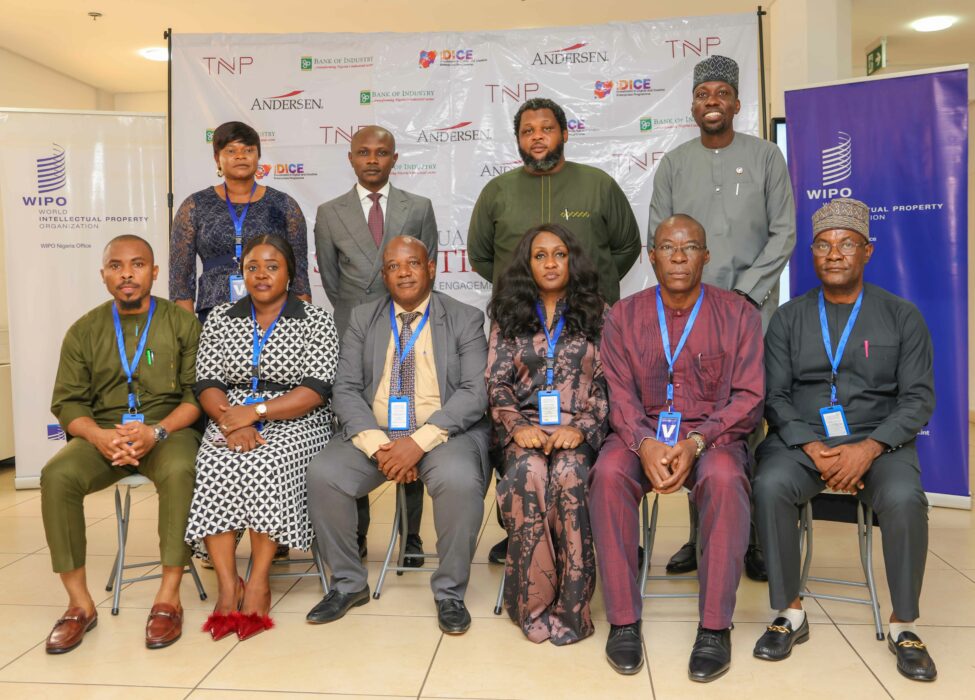
The initiative came to the fore during a stakeholder engagement session convened in Abuja by TNP (The New Practice), an Andersen collaborating firm and lead consultant for the development of Nigeria’s Intellectual Property Securitisation Framework, in collaboration with the World Intellectual Property Organisation (WIPO).
The engagement forms part of the Investment in Digital and Creative Enterprises (iDICE) Programme, implemented by the Bank of Industry (BOI) on behalf of the Federal Government, with support from the African Development Bank Group, Agence Française de Développement and the Islamic Development Bank (IsDB).
Participants at the meeting included representatives of the Central Bank of Nigeria’s National Collateral Registry, the Nigerian Copyright Commission, the Trademarks Registry, the Patents and Designs Registry, the World Intellectual Property Organisation, the Federal Ministry of Finance, the Federal Ministry of Arts, Culture, Tourism and the Creative Economy, financial institutions, technology entrepreneurs, innovators, creators and legal practitioners.
Discussions focused on the legal, regulatory, operational and financing requirements for establishing a functional IP securitisation framework in Nigeria.
Stakeholders examined ways of recognising, valuing and leveraging intellectual property rights, including copyrights, trademarks and patents, as bankable assets capable of unlocking financing for businesses operating within Nigeria’s expanding digital and creative sectors.
A recurring concern during the session was the limited recognition of intellectual property as an acceptable financing instrument, despite its growing contribution to enterprise value in technology-driven and creative businesses.
Participants observed that while intellectual property often constitutes one of the most valuable assets owned by startups and creative enterprises, existing financing structures rarely recognise such assets as viable collateral, limiting access to credit and investment.
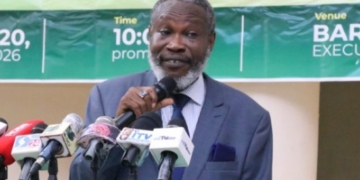
Speaking at the event, partner at TNP, Samuel Esuga, said unlocking financing through intellectual property would require robust valuation standards and stronger enforcement mechanisms.
According to him, “The creative sector’s economic potential demands tailored valuation and enforcement mechanisms to treat IP as real assets for financing. Current gaps in IP collateral recognition and enforcement pose a barrier to financing start-ups using their intangible assets.”
The stakeholders also identified significant gaps within Nigeria’s intellectual property and secured transactions ecosystem that would need to be addressed before an effective IP-backed financing market could emerge.
Among the priorities highlighted was the development of standardised valuation methodologies to improve transparency, facilitate accurate pricing of IP-backed financial transactions and strengthen investor and lender confidence in the asset class.
Also speaking, Co-chair of the iDICE Technical Committee, Dr. Magnus Abeng, said the programme was conceived as a strategic intervention to stimulate growth within Nigeria’s digital and creative industries through improved access to finance, skills development and policy reforms.
He noted that the proposed Intellectual Property Securitisation Framework seeks to tackle one of the sector’s biggest constraints by creating a mechanism through which innovators, startups and creative enterprises can leverage their intellectual property assets to secure financing.
“The proposed IP Securitisation Framework is designed to address one of the sector’s most pressing challenges, access to capital, by creating a pathway through which start-ups, innovators and creative enterprises can leverage intellectual property assets to secure financing,” Abeng said
According to the project team, the framework is expected to establish the legal, regulatory and institutional structures needed to transform intellectual property from a protected legal right into a recognised financial asset capable of supporting lending, investment and capital market transactions.
The meeting ended with stakeholders expressing commitment to supporting the development of a comprehensive Intellectual Property Securitisation Framework that aligns with international best practices while reflecting the realities of Nigeria’s digital and creative economy.
They expressed optimism that the framework would improve access to finance, attract greater investment into innovation-driven enterprises and accelerate the growth of Nigeria’s digital and creative industries.
We’ve got the edge. Get real-time reports, breaking scoops, and exclusive angles delivered straight to your phone. Don’t settle for stale news. Join LEADERSHIP NEWS on WhatsApp for 24/7 updates →
Join Our WhatsApp Channel