
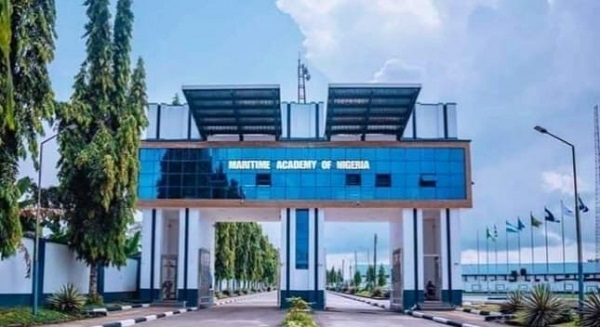
Stakeholders in Nigeria’s maritime sector have rejected plans to convert the Maritime Academy of Nigeria (MAN) into a conventional university, citing strong global demand for its cadets and the need to preserve its specialised training structure.
The position was reached during the Academy’s First Quarter 2026 Citizens and Stakeholders’ Engagement held in Oron, where participants unanimously agreed that the institution should retain its specialised status while exploring the option of becoming a degree-awarding academy.
Chairman of the Governing Council, Engr. Kehinde Akinola, said converting the institution into a university could weaken its core strength in hands-on maritime training and industry-focused programmes.
He stressed that MAN’s reputation is built on specialised education aligned with global standards, particularly the Standards of Training, Certification and Watchkeeping for Seafarers (STCW) set by the International Maritime Organization.
According to him, the Academy’s graduates remain highly sought after due to their practical competence and global certification, noting that about 80 cadets secured immediate employment opportunities during the 2025 graduation ceremony.
“Our strength lies in our specialised programmes, industry connections and global recognition. Any transition must not dilute this focus,” Akinola said.
Beyond policy direction, the engagement also highlighted MAN’s growing impact on its host communities through targeted Corporate Social Responsibility (CSR) projects.
These include a solar-powered borehole in Udung Okung Village, a newly constructed market in EyoAbasi community, and solar power installation at the palace of the Paramount Ruler of Oron.
Community leaders commended the initiatives but called for a formal Memorandum of Understanding (MoU) to strengthen collaboration and ensure sustained benefits. They also requested greater inclusion in staffing and management opportunities.
Director-General of the Nigerian Chamber of Shipping, Vivian Chimezie-Azubuike, urged stakeholders to see host communities as investment hubs rather than passive beneficiaries.
She advocated increased private sector participation in infrastructure, aquaculture, and cold-chain systems to support Nigeria’s blue economy ambitions.
In his remarks, the Acting Rector, Dr. Kevin Okonna, disclosed that the Academy had secured partnerships with industry players, including NLNG Shipping and Marine Services Limited, to provide mandatory sea-time training for cadets.
He revealed that 43 cadets had already been deployed onboard vessels between December 2025 and February 2026.
He attributed the Academy’s progress to sustained stakeholder engagement and community support, noting that such collaborations have continued to yield tangible outcomes, including employment and training opportunities for graduates.
The consensus, stakeholders said, reflects a strategic decision to strengthen Nigeria’s maritime workforce by prioritising specialised, globally competitive training over conventional university expansion.
We’ve got the edge. Get real-time reports, breaking scoops, and exclusive angles delivered straight to your phone. Don’t settle for stale news. Join LEADERSHIP NEWS on WhatsApp for 24/7 updates →
Join Our WhatsApp Channel