Health experts have expressed concerns over the inconsistent release of immunisation funds in Nigeria.
They warned that the delays are undermining vaccine planning and threatening efforts to reduce the country’s zero-dose burden.
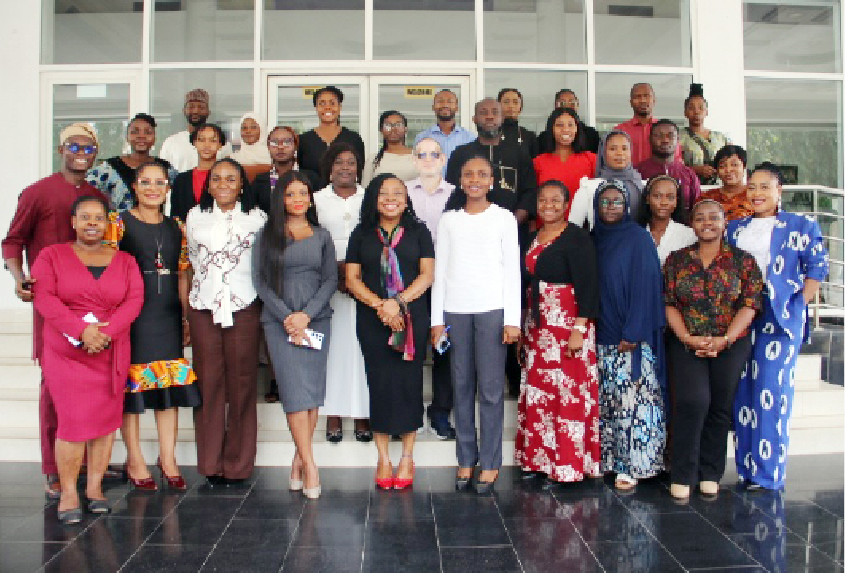
The fears were expressed yesterday during a stakeholders’ meeting on immunisation financing, convened by the Vaccine Network for Disease Control (VNDC) under the PREACH Project, supported by Gavi, the Vaccine Alliance through Global Health Advocacy Incubator.
They said repeated partial disbursements ranging between 10 and 30 per cent from 2023 to 2026 have weakened immunisation systems and disrupted vaccine procurement and distribution nationwide.
Chief Executive Officer of VNDC, Chika Offor, called on the government to urgently release outstanding funds, warning that delays could worsen the number of unvaccinated children.
“What we need in Nigeria right now is for the government to release vaccine funds so that we can buy vaccines that are very important to save the lives of our children and reduce zero dose,” Offor said.
She disclosed that although about N231 billion had been appropriated for immunisation, only N68 billion had been released, leaving a significant funding gap.
According to her, Nigeria records over eight million births annually, with each child requiring routine immunisation services.
Also speaking, Health Manager for Immunisation at UNICEF, Sheikh Kabir,
said the major challenge lies not in budget approvals but in delays and inconsistencies in fund release.
“The issue is not always appropriation; it is the disbursement. Funds are sometimes delayed or inadequate, and that affects procurement,” Kabir said.
He added that Nigeria requires more than $150 million annually to sustain vaccine procurement and maintain immunisation programmes across the country.
Kabir called for improved efficiency in fund release processes to prevent disruptions in vaccine supply chains and ensure wider immunisation coverage.
Head of Programmes at VNDC, Chika Nwankwo, described the current funding pattern as unsustainable, noting that delayed releases make planning difficult for immunisation managers.
Nwankwo explained that although vaccine budgets are often approved, delays in fund release hinder timely procurement, increasing the risk of stock-outs.
“If funds are not released on time, vaccines cannot be purchased, and when vaccines are not purchased, there will be a stock-out,” she warned.
She recalled that Nigeria had previously experienced vaccine shortages, adding that emergency interventions were sometimes required to stabilise supply.
Stakeholders at the meeting stressed the need for a more predictable and structured immunisation financing system involving federal, state and local governments to ensure uninterrupted vaccine availability.
They warned that without timely and adequate funding, the country risks setbacks in its immunisation goals and an increase in the number of zero-dose children, those who have not received any routine vaccines.
We’ve got the edge. Get real-time reports, breaking scoops, and exclusive angles delivered straight to your phone. Don’t settle for stale news. Join LEADERSHIP NEWS on WhatsApp for 24/7 updates →
Join Our WhatsApp Channel