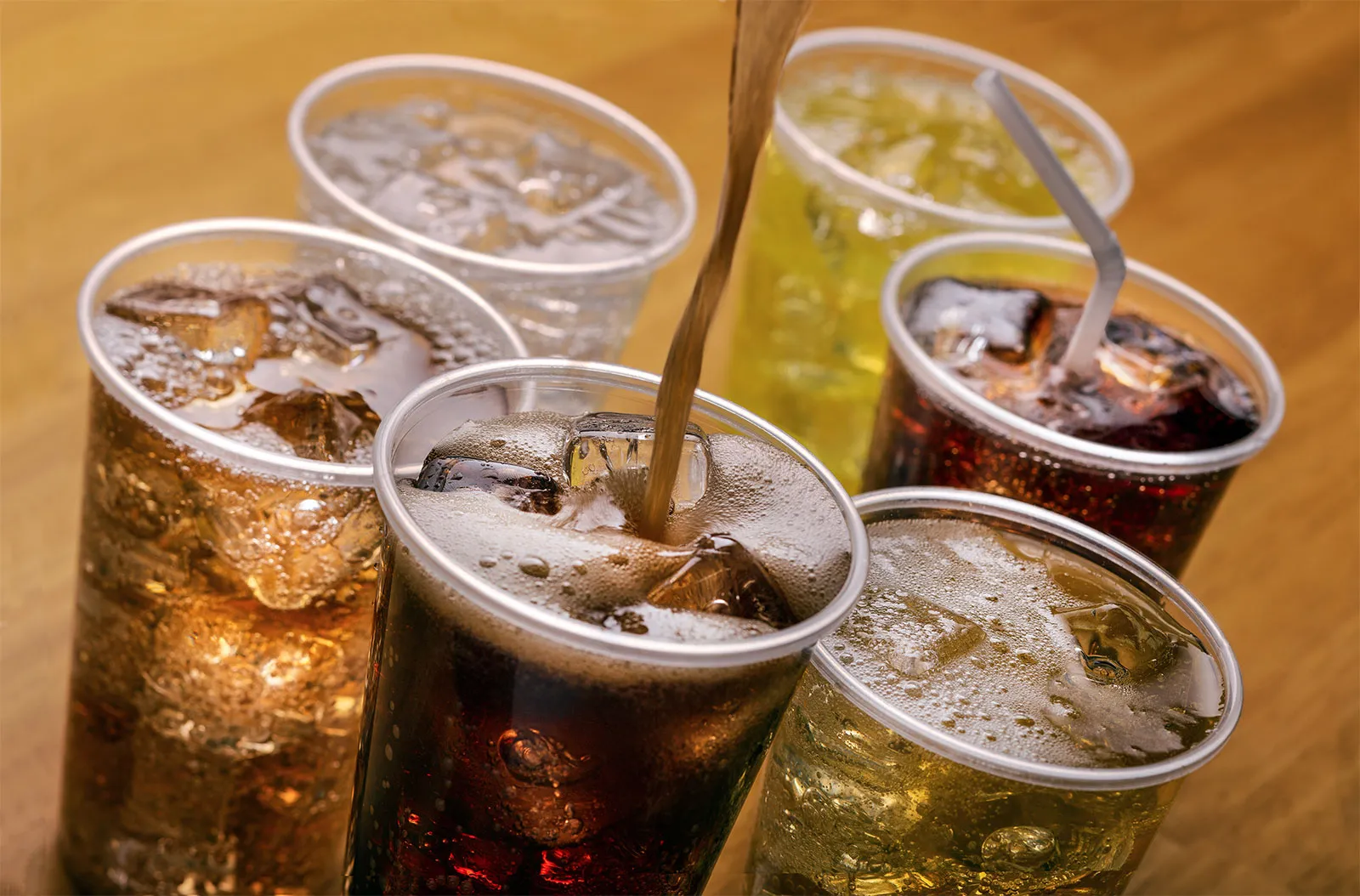
In a country battling soaring healthcare costs and an escalating epidemic of lifestyle-related diseases, health advocates, economists, and civil society groups have raised concerns over the public health and economic costs of sugar-sweetened beverages (SSBs).
While soft drinks and energy drinks remain cheap and widely accessible, the true cost, experts said, lies beneath the surface; in the rising cases of diabetes, stroke, hypertension, and heart disease.
Non-communicable diseases (NCDs) now account for one in three deaths in Nigeria, according to the World Health Organisation (WHO), and SSBs are major contributors.
In 2021, Nigeria introduced a ₦10 per litre tax on sugary drinks, a measure meant to reduce consumption and raise revenue for health programmes. But the levy has proven toothless.
“At today’s prices, the tax amounts to barely 1 percent of a drink’s retail price. It’s too small to discourage consumption, too weak to change behaviour. It’s too small to discourage consumption, too weak to change behaviour,” Executive Director of Corporate Accountability and Public Participation Africa (CAPPA), Akinbode Oluwafemi noted.
By contrast, WHO recommends that effective SSB taxes should raise the final retail price by at least 20–50 percent. Countries like South Africa, Mexico, and the UK have followed this guideline and seen a drop in sugary drink consumption while protecting jobs and revenue.
A recent investigation revealed that Nigerians spend nearly ₦2 trillion annually treating diseases linked to excessive sugar consumption. Families are going bankrupt trying to save loved ones. Mothers abandon businesses to care for sick relatives. The impact stretches beyond health, it’s an economic and social crisis.
Despite industry pushback, CAPPA insists that a stronger, well-structured SSB tax could generate over ₦200 billion annually. That money, they say, could be directed to the Basic Healthcare Provision Fund, the National Health Insurance Authority, nutrition programmes, and school feeding schemes.
“This isn’t just about discouraging sugar intake. It’s also about creating a sustainable source of revenue for public health. At a time of tight budgets, this tax is low-cost, high-impact, and long overdue,” Oluwafemi explained.
The soft drink industry, however, is not sitting quietly. CAPPA accuses some actors of deliberately mislabeling the levy as a “sugar tax” a rhetorical tactic designed to confuse the public and dilute support. Worse still, Oluwafemi warned of unregulated sugary products flooding Nigeria from abroad.
He called for urgent action, including mandatory front-of-pack labelling and tighter import regulations, to protect Nigerian consumers from unsafe, sugar-laden imports.
CAPPA urged the federal government to increase the SSB tax from ₦10 to at least ₦130 per litre, enough to raise prices and shift consumer habits. The organisation also wants tax revenue transparently earmarked for health-related spending and annual public reporting by agencies like the Federal Inland Revenue Service and Ministries of Finance and Health.
“This is about putting lives before profits. We cannot allow corporate interests to dictate public health policy. Every delay costs lives, Oluwafemi said.
He warned that inaction will only worsen the crisis, especially as Nigeria becomes a target market for unregulated sugary beverages, including foreign energy drinks with no safety labels.
He dismissed common industry arguments against a higher SSB tax, such as fears of job losses, economic harm, and low per capital sugar consumption as “recycled scare tactics.” He pointed out that countries like Mexico, South Africa, and the UK have implemented high SSB taxes, recorded reduced consumption, and maintained stable job markets.
The organisation urged President Bola Tinubu to fulfil his “Renewed Hope” pledge by leveraging consumption taxes to protect public health.
Alao, economist and public health advocate, Austin Iraoya, urged the federal government to significantly raise taxes on SSBs, describing the current levy of ₦10 per litre as “grossly inadequate” to address the country’s mounting burden of non-communicable diseases (NCDs).
Iraoya stressed that while SSBs are cheap and widely accessible, their true cost is hidden in the heavy toll they take on public health and family incomes.
“SSBs are fuelling a hidden epidemic. The people who sell these drinks don’t bear the cost. Consumers do, through amputations, chronic illness, lost income, and death. That’s market failure.
“When people consume these sugary drinks excessively, they increase their risk of developing diabetes, heart disease, stroke, and obesity. Treating these illnesses isn’t cheap, it’s a huge burden on the health system and on families, especially low-income households,” he stated.
Citing global best practices and WHO guidelines, Iraoya pointed out that an effective tax on sugary drinks should amount to at least 20–30 per cent of the retail price, with WHO recommending up to 50 per cent for real impact. In contrast, Nigeria’s current tax, at just ₦10 on a litre of soda that retails for about ₦800, amounts to less than 1per cent.
“This tax is neither discouraging consumption nor generating enough revenue to fund preventive health programmes. Countries like South Africa, Mexico, and the UK have adopted stronger SSB tax policies and are already recording significant health and economic benefits. Nigeria must follow suit,” he said.
For advocates like Iraoya, it is more than economic, it’s moral. “This isn’t a tax against the people. It’s a tax for the people. A tax to save lives, reduce hospital admissions, and keep families together.
“We’ve seen the evidence. We’ve seen the results elsewhere. Nigeria must stop dragging its feet. The time to act is now,” he added.
We’ve got the edge. Get real-time reports, breaking scoops, and exclusive angles delivered straight to your phone. Don’t settle for stale news. Join LEADERSHIP NEWS on WhatsApp for 24/7 updates →
Join Our WhatsApp Channel