
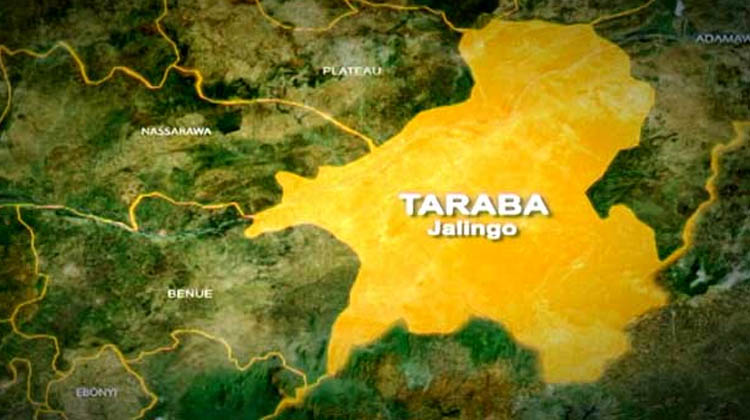
Stakeholders in the health sector in Taraba State have pledged to mobilise residents across the state for the forthcoming Maternal and Neonatal Tetanus Elimination (MNTE) corrective campaign, aimed at addressing persistent gaps in tetanus prevention and reducing maternal and neonatal deaths.
The stakeholders made the commitment in Jalingo during a stakeholders’ sensitisation/engagement meeting organised ahead of the campaign, scheduled to hold from today to 2nd October, with particular attention to six local government areas identified as high risk.
The stakeholders have, however, called for stronger community participation and the dissemination of accurate, timely information to ensure the success of the forthcoming vaccination exercise.
The Tetanus-Diphtheria (TD) vaccination campaign, supported by UNICEF, targets females aged 15 to 49 years, with stakeholders urging eligible women to take advantage of the opportunity to receive the vaccine.
The meeting brought together health officials, development partners, traditional and religious leaders, communication and social mobilisation teams, and other stakeholders to strengthen collaboration, improve community awareness, address misconceptions and enhance access to vaccination services.
The chairman of the Nigeria Nurses and Midwives (NNM), Taraba State chapter, Nr Merigi Pius Nathaniel, said nurses across the state would be mobilised through their platforms at the local government and state levels to ensure effective awareness and participation.
Nr. Nathaniel said nurses working in maternity units and labour rooms would be particularly engaged to educate pregnant women and other eligible persons on the importance of the vaccination exercise.
He commended the Taraba State Primary Health Care Development Agency (TSPHCDA) for organising the stakeholders’ engagement, saying the campaign provided an opportunity to strengthen awareness and help reduce maternal and neonatal mortality.
He, however, expressed concern that six of the state’s 16 local government areas remained classified as high-risk areas for maternal and neonatal tetanus.
According to him, the development underscores the need for intensified interventions, and he expressed optimism that the corrective campaign would help remove the affected local government areas from the high-risk category.
Also speaking, Chairman of the Nigeria Medical Association (NMA), Taraba State chapter, Dr Bitrus Atizwen Daniel, said the identification of six high-risk local government areas showed that more work was required, despite ongoing immunisation activities across the state.
Dr Daniel commended the state government and the TSPHCDA for organising the engagement and urged stakeholders to mobilise eligible populations to participate in the forthcoming vaccination campaign.
He said the NMA would support the campaign through community mobilisation, management of adverse events following immunisation and referral of cases requiring specialised medical attention.
The NMA chairman also stressed the importance of combating misinformation and ensuring that residents received accurate information about the vaccination exercise.
He assured that medical practitioners would be available to address complex health-related concerns.
Similarly, the representative of the Private Schools Association in Taraba State, Mrs Mercy Kenneth, pledged to mobilise private schools across the state to support the campaign.
Mrs Kenneth noted that schools had an important role to play in disseminating information on tetanus prevention and urged school proprietors and teachers to sensitise parents and guardians and to encourage eligible children and women to receive the vaccine.
She expressed concern over the burden of tetanus-related deaths among children and women, particularly in the Northeast, saying she would ensure that the information from the stakeholders’ meeting reached private schools across the state.
She also urged parents and guardians to support the vaccination exercise, as collective participation was necessary to eliminate maternal and neonatal tetanus in Taraba State.
In his presentation, the State Programme Officer at the Chigari Foundation, Mohammed Saleh, highlighted the pivotal role of communities in addressing myths, misconceptions, and other barriers to vaccination.
Saleh urged community stakeholders to publicly support the exercise, share accurate information about campaign dates and vaccination locations, identify eligible women, and support mobilisation teams in reaching them.
On his part, the representative of WHO Taraba, Mr Martins Jirgi, emphasised the importance of effective risk communication in addressing misinformation and building confidence in the vaccination exercise.
He called for health information that is accurate, simple, respectful, timely, consistent, culturally appropriate and inclusive, particularly when communicating with communities about vaccination.
Mr Jirgi also advised stakeholders to listen respectfully to community concerns, provide verified explanations, refer complex questions to qualified health workers and direct members of the public to trusted sources of information.
The stakeholders further emphasised the media’s important role in providing timely and credible information throughout the campaign, particularly in addressing rumours and misinformation that could discourage eligible women from accessing vaccination services.
We’ve got the edge. Get real-time reports, breaking scoops, and exclusive angles delivered straight to your phone. Don’t settle for stale news. Join LEADERSHIP NEWS on WhatsApp for 24/7 updates →
Join Our WhatsApp Channel