Nigeria should undoubtedly be every dreamer’s tourist aspiration. The "Giant of Africa"
should be seen from many angles. From the Erin-Ijesha Waterfalls to the ancient energy of the Osun-Osogbo Sacred Grove, the undulating hills in Northern Nigeria, the rich culture in the East, and the beauty unmasked in the South-south, the magic of Nigeria should be felt.
But we need to have a real talk about the lock on that chest: Security.
Right now, Nigeria’s tourism potential is like a Ferrari parked in a garage because the neighbourhood isn't safe enough to drive it. To truly become the global destination it deserves to be, the security narrative must change from "reconsider travel" to "ready for arrival."
Currently, travel advisories from the US, UK, and Australia are the first thing a potential tourist sees when they Google Nigeria. High-risk warnings for states like Borno, Kaduna, and parts of the Niger Delta don't just affect those areas—they cast a shadow over the entire country.
When security improves, these advisories soften. A "Level 2" (Exercise Increased Caution) rating—similar to many popular European or Caribbean destinations—would instantly open the floodgates for international travellers and, more importantly, travel insurance providers, who currently refuse to cover many regions in Nigeria.
Nigeria has "underutilised" gems that are currently struggling due to their locations.
Yankari Game Reserve (Bauchi): Once the crown jewel of West African eco-tourism, it has faced challenges from poaching and nearby instability.
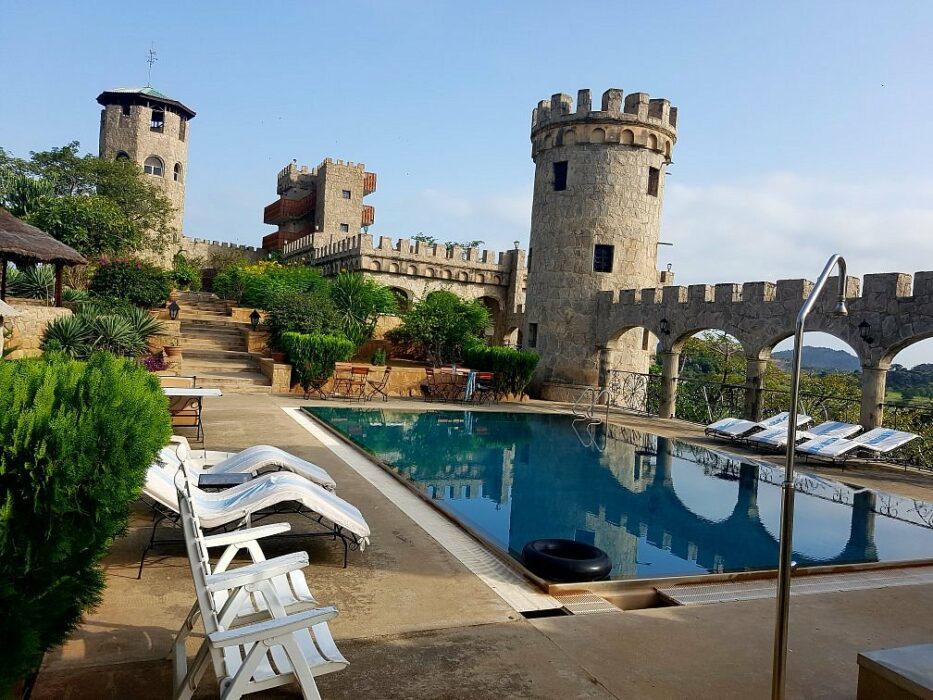
Kajuru Castle (Kaduna): A stunning medieval-style castle that should be a luxury wedding destination, but has seen patronage plummet following security incidents.
Sukur Cultural Landscape (Adamawa): A UNESCO World Heritage site that remains largely isolated from the world due to its proximity to volatile zones.
The Economic Multiplier Effect
Security isn't just about protecting tourists; it’s about protecting investment.
Hospitality: Global hotel chains are hesitant to build in "red zones," even if the natural beauty is world-class.
Infrastructure: Better security means safer roads. Safer roads mean tourists can go on cross-country road trips—from the hills of Obudu to the rocks of Zuma—spending money in local communities along the way.
Jobs: A secure tourism sector could employ millions of young Nigerians as guides, pilots, chefs, and conservationists.
What the Path Forward Looks Like
Boosting tourism isn't just about more "police at the gate." It’s about Smart Security:
Tourism Police: Specialised, well-trained units dedicated to major landmarks and transit routes.
Tech Integration: Using drones and surveillance at remote heritage sites to ensure visitor safety without ruining the "vibe."
Community Policing: Engaging local communities as stakeholders. When locals benefit from tourism revenue, they become the best protectors of the tourists.
Nigeria doesn't need to "create" attractions. We already have the Argungu Fishing
Festival, the Calabar Carnival, and the Ogbunike Caves. We have the music, the fashion, and the food.
We just need to ensure that when a traveller steps off that plane in Lagos or Abuja, the only thing they have to worry about is whether they can handle the spice in their pepper soup. Fix the security, and the world will come to us.
We’ve got the edge. Get real-time reports, breaking scoops, and exclusive angles delivered straight to your phone. Don’t settle for stale news. Join LEADERSHIP NEWS on WhatsApp for 24/7 updates →
Join Our WhatsApp Channel