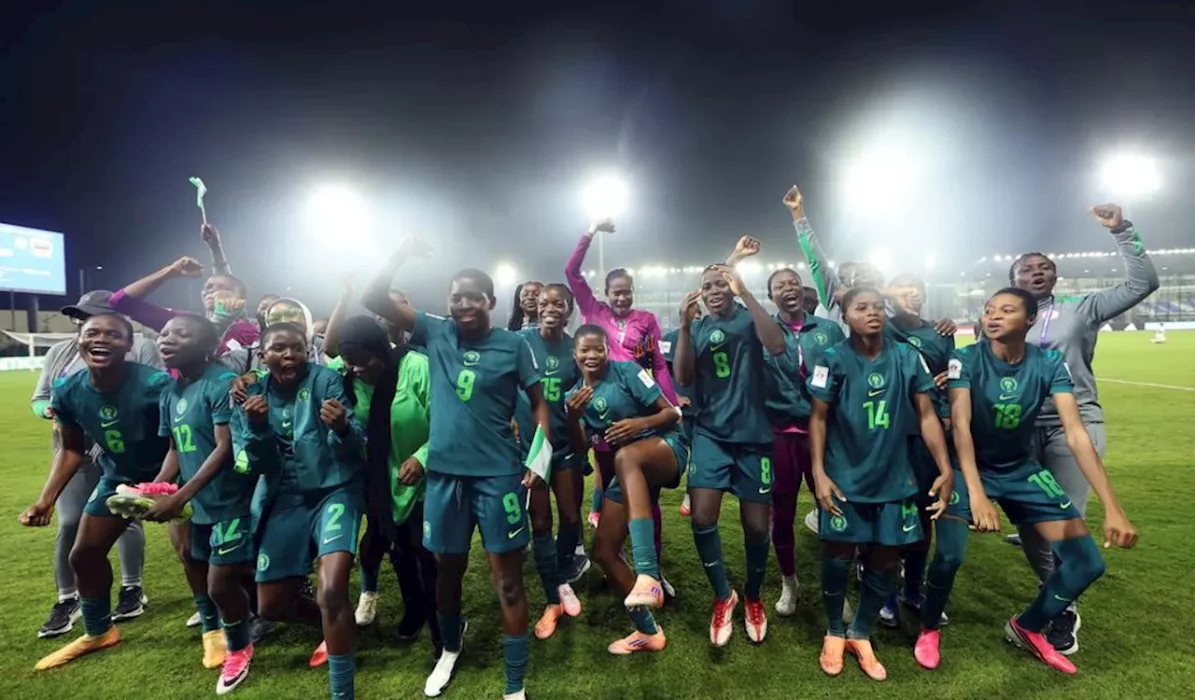
On Saturday night at the Mohammed VI Football Complex in Rabat, Morocco, a team of teenage girls did what no African side had done before them. Nigeria’s Flamingos beat Japan 2-1 to win the FIFA U-17 Women’s World Cup, becoming the first team from the continent to lift the trophy. Awawu Bashiru opened the scoring with a long-range strike in the 39th minute, and Oluebube Umejiaku doubled the lead two minutes after the restart. Japan pulled one back in the 80th minute, but the girls held their nerve to the final whistle. We join millions of Nigerians in congratulating them, their coaches and their families on a historic achievement.
The scale of the feat is clearer when one considers the road they travelled. The Flamingos lost their opening match 2-1 to Poland, a result that would have broken the spirit of many young sides. Instead, they won their next six matches in a row, beating Puerto Rico, defending champions North Korea, Mexico, Venezuela and, in a memorable semi-final, Brazil by three goals to one. Umejiaku, only 16, scored four goals in the tournament and won the adidas Golden Ball as its best player. Four years ago in India, Nigeria settled for bronze. This time, the girls went all the way.
Flamingos’ World Cup Triumph Raises Stakes For Nigeria’s Women’s Football Development
The victory carries a special sweetness because it comes in one of the bleakest years Nigerian football has known. The Super Eagles failed to qualify for the 2026 FIFA World Cup, and the Super Falcons, long the pride of African women’s football, lost a play-off to South Africa in August and will be absent from the 2027 Women’s World Cup. The Nigeria Football Federation itself has been weighed down by administrative turmoil. Against that backdrop, a group of schoolgirls has reminded the country that the talent has never been the problem.
Credit is due to the head coach, Hakeem Busari, who was appointed by the NFF only in April and previously handled Queens Football Club in Ibadan. In barely seven months, he built a side that played with discipline and courage, and he showed the tactical boldness to hand Bashiru a start in the semi-final, where she scored twice. That an indigenous coach drawn from the domestic women’s league could conquer the world should settle, once and for all, the old argument that only foreign tacticians can deliver success for Nigerian teams. Local coaches deserve patience and support instead of the familiar cycle of hiring and firing.
Pointedly, Nigeria’s football successes too often arrive in spite of the system rather than because of it. The country has now won six U-17 world titles, five through the Golden Eaglets and one through the Flamingos. Yet the honest question every football administrator must answer is this: where are the stars of those earlier triumphs today? Too many promising teenagers who shone at junior tournaments faded away, lost to poor management, broken promises, age controversies and the absence of a clear path into senior football. A trophy that leads nowhere soon becomes a trivia question.
That is the danger facing these girls. The women’s game in Nigeria still struggles with poor funding, irregular domestic competitions, delayed allowances and weak youth structures. The Nigeria Women Football League deserves far more investment than it currently receives, since it is where Busari learnt his trade and where many of these players will need regular, competitive football in the coming years. Schools football, once a vital nursery for talent, must also be revived across the states, so that the next generation of Flamingos is discovered on organised pitches rather than by chance.
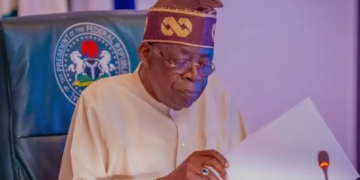
The reception at home has been warm. President Bola Tinubu hailed the girls for showing “courage, discipline, determination and the Nigerian spirit of never giving up,” and said their victory was an inspiration to millions of young Nigerian girls. The First Lady, Senator Oluremi Tinubu, praised the team for shrugging off a shaky start to win six matches in a row, declaring that “Nigeria again is the toast of the world.” We share these sentiments. The President went further, reaffirming his administration’s commitment to investing in grassroots sports and expanding opportunities for young Nigerians, particularly girls.
That pledge is the part of the celebration that matters most, and it should be held to account. The National Sports Commission should translate the President’s words into a funded plan for girls’ football, with a budget line, clear targets and a timetable that the public can follow.
There is also something uncomfortable about the eagerness of officials to dedicate the victory to the President. The Acting General Secretary of the NFF, Dr Emmanuel Ikpeme, credited the win to the support shown to the national teams, while the Director-General of the National Institute for Sports, Phillip Shaibu, described it as a thank-you gift to the President. Gratitude is fine, but this triumph belongs first to the players, who sweated for it on the pitch, and to the parents and grassroots coaches who invested in them long before any official took notice. Turning it into political tribute so close to a general election cheapens what the girls have achieved.
The task now is to protect and develop this squad. The NFF should draw up a clear transition plan that moves the best of these players into the U-20 Falconets and, in time, the Super Falcons, while ensuring that their education is not sacrificed. The girls are still minors, and those who manage their careers owe them guidance against exploitative agents and premature moves abroad. Their schooling and welfare must be treated as seriously as their training schedules.
Coach Busari told FIFA after the final that the win was a turnaround for Africa and a sign that the continent is coming. He is right, but the turnaround will only last if Nigeria treats this title as the beginning of something. The Flamingos have done their part. The administrators must now do theirs, or this golden generation will join the long list of Nigerian talents celebrated for a week and forgotten for a lifetime.
The girls have shown the world what Nigeria can do; the system must not show them what it usually does.
We’ve got the edge. Get real-time reports, breaking scoops, and exclusive angles delivered straight to your phone. Don’t settle for stale news. Join LEADERSHIP NEWS on WhatsApp for 24/7 updates →
Join Our WhatsApp Channel