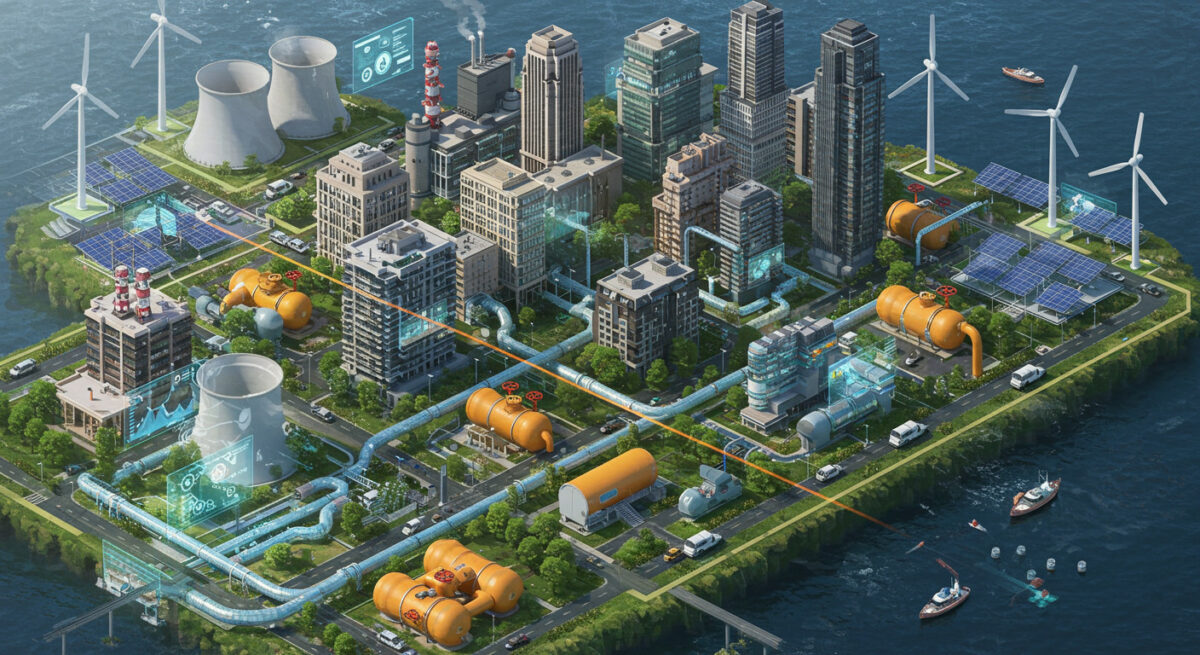
As governments race to meet net-zero pledges and energy systems shift toward renewables, natural gas sits at an uncomfortable crossroads.
Once hailed as a “bridge fuel” away from coal, gas infrastructure now faces mounting pressure from regulators, financiers and activists demanding rapid cuts to greenhouse gases, while grid operators and industry still rely on gas to balance variable renewable power and ensure energy security. The result is a high-stake scramble: retrofit, repurpose or risk stranding assets.
A market in pause — but not collapse
Global gas demand climbed sharply in parts of 2024, yet growth slowed in 2025 amid higher prices, macroeconomic headwinds and shifting policy frameworks. That uneven trajectory has left pipeline and LNG operators caught between near-term demand for reliability and long-term questions about market viability. The International Energy Agency’s recent analysis shows that while some regions still saw gas use rise, demand growth has moderated and is subject to large uncertainties as electricity systems decarbonize.
For companies that operate long, capital-intensive networks, that uncertainty matters. Firms are weighing new investments in expansion against options to decarbonize existing assets, from methane mitigation and pipeline upgrades to more transformative ideas like carrying hydrogen or CO₂ for storage.
Three practical pathways for gas infrastructure
Policy debates have converged around three practical ways to align gas systems with climate goals: aggressive methane reduction, carbon capture and storage (CCS/CCUS), and hydrogen repurposing or blending. Each offers benefits, and big caveats.
1) Cut methane or cut climate progress
Methane emissions from the oil and gas value chain are a short-lived but potent climate forcing. New regulatory regimes, particularly in the EU, are raising the bar on monitoring and reporting for imported fuel, and are forcing suppliers and shippers to tighten leakage controls. Recent regulatory moves aim to make methane tracking part of every supplier’s cost equation. That pressure changes the economics of international trade in gas, especially for high-leakage supply chains.
The upshot: rigorous methane management can buy time for gas infrastructure by materially reducing its near-term climate impact. But it cannot make gas climate neutral, and tightened rules are already steering buyers toward cleaner sources and alternative fuels.
2) CCUS — real potential, slow rollout
Carbon capture, utilisation and storage has emerged as the main technology to reconcile continued fossil fuel use with emissions targets for some industries and power plants. CCUS projects are clearing important milestones and moving from pilot to commercial scale in places with storage geology and policy support. International agencies note progress, but also warn that CCUS will not scale fast enough without stronger policy incentives and clearer markets for captured CO₂.
For gas infrastructure owners, CCUS offers a pathway: keep the heat and flexibility of combined-cycle gas turbines while capturing a share of emissions. But CCUS adds costs, requires new transport and storage networks, and raises questions about who pays, utilities, governments or consumers.
3) Hydrogen — promise, but harder than advertised
Repurposing gas mains to carry low-carbon hydrogen or blending hydrogen into pipelines is a politically attractive option: it leverages existing rights-of-way and assets. Governments in Europe and elsewhere have launched hydrogen strategies and pilot blending programs to test whether existing networks can carry a meaningful volume of hydrogen. Yet practical challenges keep emerging, from appliance compatibility and safety standards to the sheer cost of producing green hydrogen at scale. Recent reviews of hydrogen projects also show many planned facilities have been delayed or shelved because costs and policy support lagged initial expectations.
The consensus among many analysts is that limited blending and targeted repurposing for dedicated hydrogen corridors may make sense, but wholesale conversion of entire gas grids to hydrogen is unlikely without dramatic falls in electrolyser costs and a robust market for low-carbon hydrogen.
Geopolitics and LNG: security reshapes infrastructure choices
The surge in LNG trade since 2022 demonstrated gas’s geopolitical role: flexible LNG supplies can replace disrupted pipeline flows and shore up energy security. But energy security concerns also accelerate decarbonization policy (for example, governments use the crisis to invest in renewables and storage). This dynamic means LNG terminals and storage remain strategically important, and yet politically contested assets. Operators who can demonstrate low methane intensity or integrate low-carbon options (bunkering for hydrogen carriers, CCUS at regasification sites) will likely find easier access to finances.
Investment, regulation and the risk of stranded assets
Investors and insurers increasingly screening for climate transition risk. Banks are pushing clients to disclose methane intensity and climate alignment, while public policy is moving to tax carbon or mandate tight performance standards. That combination ratchets up the risk that pipelines, compressor stations and LNG terminals built for decades of fossil fuel use will be economically obsolete before their scheduled lifetimes.
Policymakers face a delicate balancing act: preserve energy reliability and affordability during the transition, but avoid underwriting assets that lock in emissions. Well-designed policy, targeted support for CCUS hubs, clear hydrogen standards, and enforceable methane rules, can steer private capital toward retrofits and hybrid solutions rather than new unabated fossil investments. Recent policy packages in Europe and consultations in the UK on hydrogen blending are examples of attempts to create that clarity.
What needs to happen — a practical checklist
1. Scale up methane detection and rapid repair: Make robust monitoring, reporting and verification (MRV) the default for all gas supply chains, and tie compliance to market access.
2. Back CCUS with clear market rules: Provide long-term contracts, storage rights and shared infrastructure models so capture hubs can achieve economic scale.
3. Target hydrogen where it adds value: Prioritise hydrogen for hard-to-electrify industries and export corridors; use blending prudently and based on technical evidence.
4. Stress-test investments for transition risk: Require climate risk assessments for all major infrastructure approvals and link public support to decarbonisation milestones.
5. Support communities and workers: Create transition plans so regions dependent on gas infrastructure have pathways to new industries and jobs.
Conclusion: evolve, don’t entrench
Natural gas infrastructure can play a transitional role in a net-zero future, but only if it evolves, sharply reducing methane, integrating CCUS where feasible, and enabling selected hydrogen pathways. Left unchanged, legacy infrastructure risks becoming a climate and financial liability. The practical choice facing policymakers and operators is not whether gas disappears overnight, it’s whether the infrastructure that remains will serve a cleaner, resilient energy system or simply lock the world into another era of emissions. The clock is ticking; decisions made this decade will determine whether gas networks help deliver a secure, decarbonized energy system or become stranded relics of yesterday’s energy strategy.
We’ve got the edge. Get real-time reports, breaking scoops, and exclusive angles delivered straight to your phone. Don’t settle for stale news. Join LEADERSHIP NEWS on WhatsApp for 24/7 updates →
Join Our WhatsApp Channel