• Hausa Edition
  • Podcast
  • Conferences
  • LeVogue Magazine
  • Business News
  • Print Advert Rates
  • Online Advert Rates
  • Contact Us
Saturday, June 20, 2026
Leadership Newspapers
No Result
View All Result
  • Home
  • News
  • Politics
  • Business
  • Sport
    • Football
  • Health
  • Entertainment
  • Education
  • Opinion
    • Editorial
    • Columns
  • Others
    • LeVogue Magazine
    • Conferences
    • National Economy
  • Contact Us
Hausa Edition
  • Home
  • News
  • Politics
  • Business
  • Sport
    • Football
  • Health
  • Entertainment
  • Education
  • Opinion
    • Editorial
    • Columns
  • Others
    • LeVogue Magazine
    • Conferences
    • National Economy
  • Contact Us
No Result
View All Result
Leadership Newspapers
No Result
View All Result

THINGS REMEMBERED 1990s: When Dressing Reflected Culture And Respect In Nigeria

LEADERSHIP News by LEADERSHIP News
3 weeks ago
in Feature
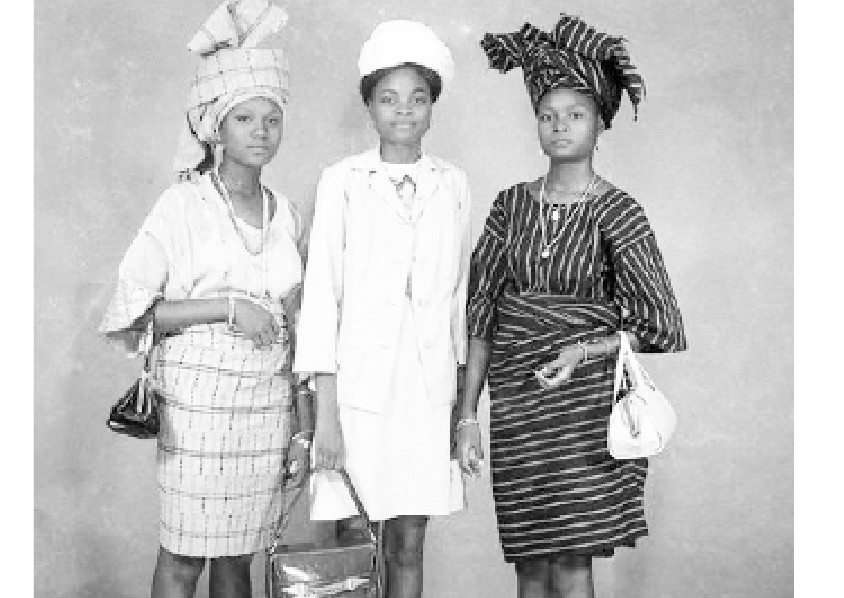
nigerian women of 1960
Share on WhatsAppShare on FacebookShare on XTelegram

Traditional dressing in Nigeria during the 1990s was beyond fashion; it was a strong expression of culture, identity and respect.

Across different regions of the country, the natives dressed in ways that reflected their traditions, social values and community pride.

In Northern Nigeria, men were widely known for wearing flowing outfits such as baban riga, kaftans, and long traditional gowns, often matched with caps and turbans. These clothes symbolised dignity, maturity and responsibility.

Women, especially Muslims, wore hijabs, long gowns, wrappers and beautifully tied headscarves made from colourful local fabrics. Dressing modestly was highly respected in society.

In the western part of the country, Yoruba men commonly dressed in agbada, buba and sokoto, while women wore iro and buba with matching gele (head gear). In the eastern region, Igbo men appeared in isiagu tops and wrappers, while the women wore george wrappers and blouses decorated with coral beads during important ceremonies.

During the 1990s, most clothes were produced locally by skilled tailors who carefully sewed outfits by hand or with simple sewing machines. Imported ready-made clothes were not as common as they are today. People valued quality fabrics and durable materials that could last for many years.

RELATED NEWS

Olaoye: Inside The Blueprint For Building High-performing School

Investors Eye Irish Potato Value Chain As Demand Rises

Ameera Abraham: Beauty Entrepreneur And Women’s Empowerment Advocate

Parents also paid close attention to how their children dressed.

Good dressing was seen as a sign of discipline and proper upbringing.

Young people were taught to appear neat and decent whenever they attended school, church, mosque, markets, or social gatherings.

Traditional outfits were especially important during weddings, naming ceremonies, festivals and religious celebrations.

Families proudly wore matching attire to show unity and cultural identity. Rich embroidery and local designs made the clothes unique and attractive.

Another striking feature of dressing in the 1990s was modesty. Fashion was not mainly about showing wealth or following global trends. Instead, people dressed to earn respect and maintain cultural values within their communities.

Today, many Nigerians still look back at the traditional dressing of the 1990s with admiration.


Although modern fashion has introduced new styles and influences, the clothing culture of that era remains a lasting symbol of simplicity, decency and cultural pride.

We’ve got the edge. Get real-time reports, breaking scoops, and exclusive angles delivered straight to your phone. Don’t settle for stale news. Join LEADERSHIP NEWS on WhatsApp for 24/7 updates →

Join Our WhatsApp Channel
LEADERSHIP News

LEADERSHIP News

OTHER NEWS UPDATES

Olaoye: Inside The Blueprint For Building High-performing School
Feature

Olaoye: Inside The Blueprint For Building High-performing School

7 hours ago
Potato Farmers Seek Federal Govt Support To Implement Rolling Plan
Feature

Investors Eye Irish Potato Value Chain As Demand Rises

8 hours ago
Ameera Abraham: Beauty Entrepreneur And Women’s Empowerment Advocate
Feature

Ameera Abraham: Beauty Entrepreneur And Women’s Empowerment Advocate

2 days ago
Next Post
Barcelona Complete £69M Signing Of Gordon From Newcastle 

Barcelona Complete £69M Signing Of Gordon From Newcastle 

Advertisement

LATEST UPDATE

‎Mo Bimpe Receives New Range Rover As Push Gift From Her Hubby Lateef Adedimeji

2 minutes ago

Nigeria, China To Hold High-Level Political Talks In July

7 minutes ago

Kano By-Election: INEC, Police Commend Voters’ Conduct

18 minutes ago

Court Jails 70-Year-Old Freight Agent For Drug Trafficking

20 minutes ago

Kwara Police Complete Combat Training To Boost Operational Capacity

30 minutes ago
Load More
Advertisement
Facebook Twitter Instagram Youtube Whatsapp

© 2026 LEADERSHIP Media Group - All Rights Reserved | Hausa | Online Casino.

No Result
View All Result
  • Home
  • News
  • Politics
  • Business
  • Sport
    • Football
  • Health
  • Entertainment
  • Education
  • Opinion
    • Editorial
    • Columns
  • Others
    • LeVogue Magazine
    • Conferences
    • National Economy
  • Contact Us

© 2026 LEADERSHIP Media Group - All Rights Reserved | Hausa | Online Casino.