
• Hausa Edition
  • Podcast
  • Conferences
  • LeVogue Magazine
  • Business News
  • Print Advert Rates
  • Online Advert Rates
  • Contact Us
Wednesday, September 9, 2026
Leadership Newspapers
No Result
View All Result
  • Home
  • News
  • Politics
  • Business
  • Sport
    • Football
  • Health
  • Entertainment
  • Education
  • Opinion
    • Editorial
    • Columns
  • Others
    • LeVogue Magazine
    • Conferences
    • National Economy
  • Contact Us
Hausa Edition
  • Home
  • News
  • Politics
  • Business
  • Sport
    • Football
  • Health
  • Entertainment
  • Education
  • Opinion
    • Editorial
    • Columns
  • Others
    • LeVogue Magazine
    • Conferences
    • National Economy
  • Contact Us
No Result
View All Result
Leadership Newspapers
No Result
View All Result

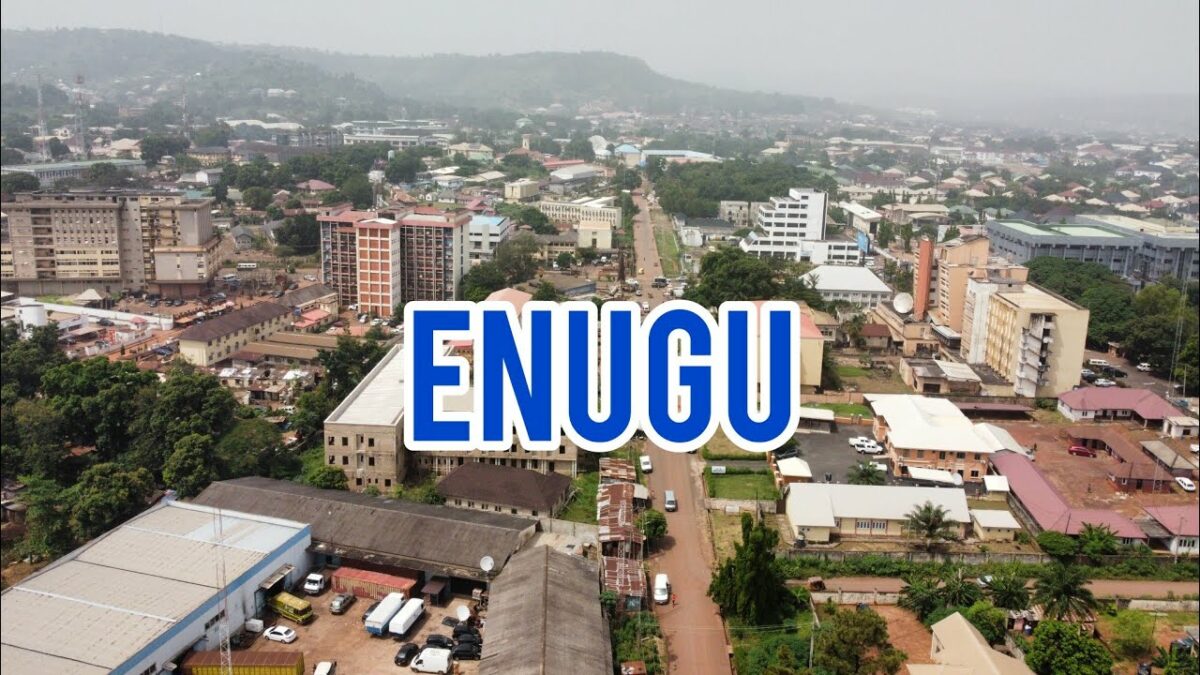
THINGS REMEMBERED: Enugu: Once The Coal City And Eastern Nigeria’s Political Hub

Richard Abu by Richard Abu
5 months ago
in Feature
Enugu state
Share on WhatsAppShare on FacebookShare on XTelegram

Before crude oil changed Nigeria’s economic outlook, coal was among the main drivers of the country’s economy.

At its heart stood Enugu, which later became the famous Coal City, the economic and political base of then Eastern Nigeria.

According to a report in nigeriaenergyfuture.org, coal was first discovered in Nigeria in 1909 at the Udi Ridge in Enugu by a British mines engineer, Albert Kitson. By 1914, the year of Nigeria’s amalgamation, the first consignment of coal arrived in the United Kingdom (UK) from the newly created port of Port Harcourt.

By 1916, the Ogbete Mine was in full operation and in that year alone, it yielded 24,511 metric tonnes of coal. Over time, other mines sprang up in the region, which became the modern-day Enugu State.

Coal production hit an all-time high of 790,030 metric tonnes before steadily declining, leading to the abandonment of many mines. Nigeria’s coal reserves are estimated at about 2.8 billion metric tons.

The commercial mining of coal in 1916 by the Nigerian Coal Corporation, turned Enugu into a bustling industrial hub. The city earned its nickname, “Coal City,” as thousands of workers migrated from surrounding communities in search of employment.

Rail lines were constructed to transport coal from Enugu to the coastal city of Port Harcourt, facilitating export and linking the hinterland to global markets.

Coal powered the railways, fuelled electricity generation and supported industrial growth across the country. More importantly, it transformed Eastern Nigeria socially and economically.

New towns emerged, urbanisation accelerated, and a working-class culture began to take root. Enugu evolved into a centre of political consciousness, labour activism and intellectual ferment.

RELATED NEWS

Taming The Gullies, Reclaiming The Future: The Inuwa Yahaya Erosion Control Legacy

NASENI: Three Years of Institutional Reform, Technology Commercialisation And Industrial Development Under Khalil Suleiman Halilu

The $250 Million Benue Food City Complex: Another Alia’s Touch

However, the industry faced its challenges. The tragic Iva Valley Massacre, where colonial police shot protesting miners, became a defining moment in Nigeria’s nationalist movement. It strengthened resistance against colonial rule and underscored the sacrifices of the working class in the fight for independence.

The post-independence era saw a gradual decline in coal production, particularly with the rise of oil in the 1970s. Yet, the legacy of the Enugu coal mines endures. They laid the foundation for modern infrastructure, urban development and economic consciousness in Eastern Nigeria.

We’ve got the edge. Get real-time reports, breaking scoops, and exclusive angles delivered straight to your phone. Don’t settle for stale news. Join LEADERSHIP NEWS on WhatsApp for 24/7 updates →

Join Our WhatsApp Channel

Nigerians can invest ₦2.5million on premium domains and earn about ₦17-25Million. Earnings in USD. Rather than wonder, click here to find out how it works

Richard Abu

Richard Abu

Richard Abu is Deputy Editor of Leadership Newspaper, a senior journalist with extensive experience in editorial leadership across multiple titles at Leadership and other major Nigerian newspapers.

OTHER NEWS UPDATES

Taming The Gullies, Reclaiming The Future: The Inuwa Yahaya Erosion Control Legacy
Feature

Taming The Gullies, Reclaiming The Future: The Inuwa Yahaya Erosion Control Legacy

15 hours ago
NASENI: Three Years of Institutional Reform, Technology Commercialisation And Industrial Development Under Khalil Suleiman Halilu
Feature

NASENI: Three Years of Institutional Reform, Technology Commercialisation And Industrial Development Under Khalil Suleiman Halilu

16 hours ago
The $250 Million Benue Food City Complex: Another Alia’s Touch
Feature

The $250 Million Benue Food City Complex: Another Alia’s Touch

17 hours ago
Next Post
Lagos Mulls Free Cancer Screening For Residents

Varsity Women, Imo First Lady, Others Advocate Early Cancer Detection

Advertisement

LATEST UPDATE

UK Passport Exercise: Nigerian Resident Counsels Applicants Against Unofficial Charges

2 minutes ago

BBC Presenter Maryam Moshiri Reveals Hidden Battle With Incurable Blood Cancer

6 minutes ago

4 Court Cases Challenging Adeola’s Ogun Guber Candidacy Withdrawn – Aide

9 minutes ago

Torres Scores Hat-Trick As PSG Launch Champions League Title Defence In Style

14 minutes ago

Oluremi Tinubu Receives Imo Chieftaincy Title, Oso Di Eme

16 minutes ago
Load More
Advertisement
Facebook Twitter Instagram Youtube Whatsapp

© 2026 LEADERSHIP Media Group - All Rights Reserved | Hausa | Online Casino.

No Result
View All Result
  • Home
  • News
  • Politics
  • Business
  • Sport
    • Football
  • Health
  • Entertainment
  • Education
  • Opinion
    • Editorial
    • Columns
  • Others
    • LeVogue Magazine
    • Conferences
    • National Economy
  • Contact Us

© 2026 LEADERSHIP Media Group - All Rights Reserved | Hausa | Online Casino.