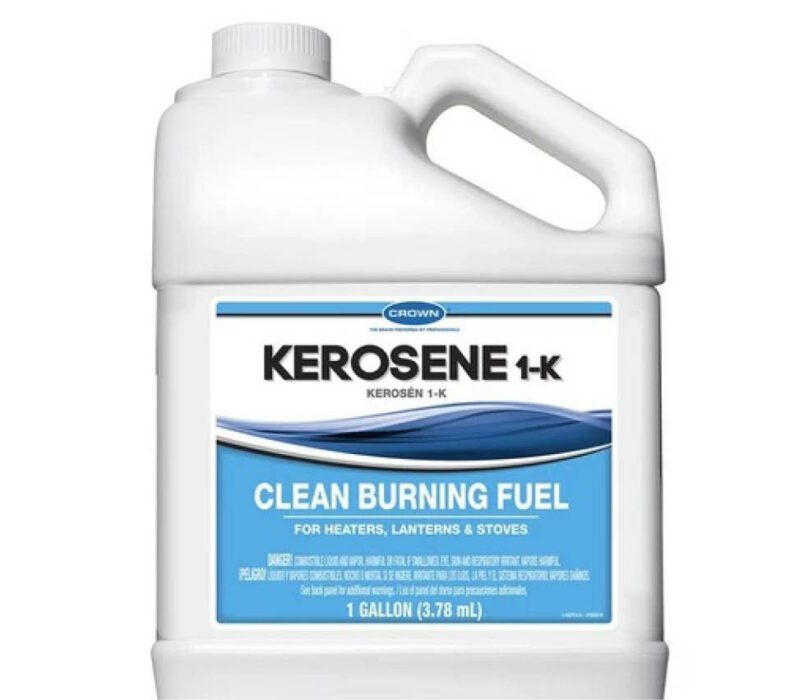
Where are the kerosene tanks, the tall metal drums standing boldly by the roadside, with hand-painted signs announcing “Kerosene Sold Here”? Where are the long, winding queues that began before sunrise, the jerrycans lined up patiently, and the familiar smell that clung to clothes long after purchase?
There was a time when kerosene was the quiet engine of daily survival, fuelling kitchens, lanterns and livelihoods across Nigerian homes.
For decades, kerosene was the most dependable household fuel for cooking and lighting. Before gas cookers became common and electricity was reliable, kerosene stoves burned in nearly every home.
Blue flames simmered soups; lanterns glowed through long nights and families planned meals around the availability of fuel. According to energy history records and data from the International Energy Agency, kerosene emerged as a dominant household fuel globally in the mid-20th century, especially in developing economies where access to electricity and cleaner fuels was limited.
In Nigeria, kerosene was once considered the people’s fuel. Subsidised and widely distributed, it was sold in open markets, neighbourhood kiosks and filling stations. The kerosene tank was a familiar landmark, as recognisable as the shop itself. For years, households depended on it not just for cooking, but for warmth, light, and routine. When electricity failed, as it often did, kerosene lamps kept homes alive.
Over time, scarcity crept in. Subsidy challenges, supply disruptions, and policy shifts made kerosene harder to find. Long queues became a defining feature of its later years. NNPC reports from the early 2000s showed repeated shortages, rising prices and gradual withdrawal of subsidies.
What was once affordable became expensive, and what was once accessible became uncertain. The blue flame that once burned steadily began to flicker.
As the years passed, alternatives emerged. Liquefied Petroleum Gas (LPG) gained ground as a cleaner, faster and safer option. Solar lamps replaced smoky lanterns. Electricity, though still imperfect, expanded. According to World Bank energy transition data, global reliance on kerosene for household use has declined significantly over the last two decades, as governments and development partners pushed for cleaner energy solutions to reduce indoor air pollution and fire hazards.
Today, kerosene is quietly slipping into gradual extinction. The tanks are gone. The signs have faded. The queues have disappeared. What remains are memories, and a lesson. If kerosene, once indispensable, could be pushed aside by time and change, then perhaps the saying holds true: any hot thing, no matter how fiercely it burns, will eventually grow cold.
In remembering kerosene, we remember resilience, scarcity, patience, and adaptation. We remember how everyday survival once depended on a blue flame, and how even the most essential things are not immune to change.
We’ve got the edge. Get real-time reports, breaking scoops, and exclusive angles delivered straight to your phone. Don’t settle for stale news. Join LEADERSHIP NEWS on WhatsApp for 24/7 updates →
Join Our WhatsApp Channel