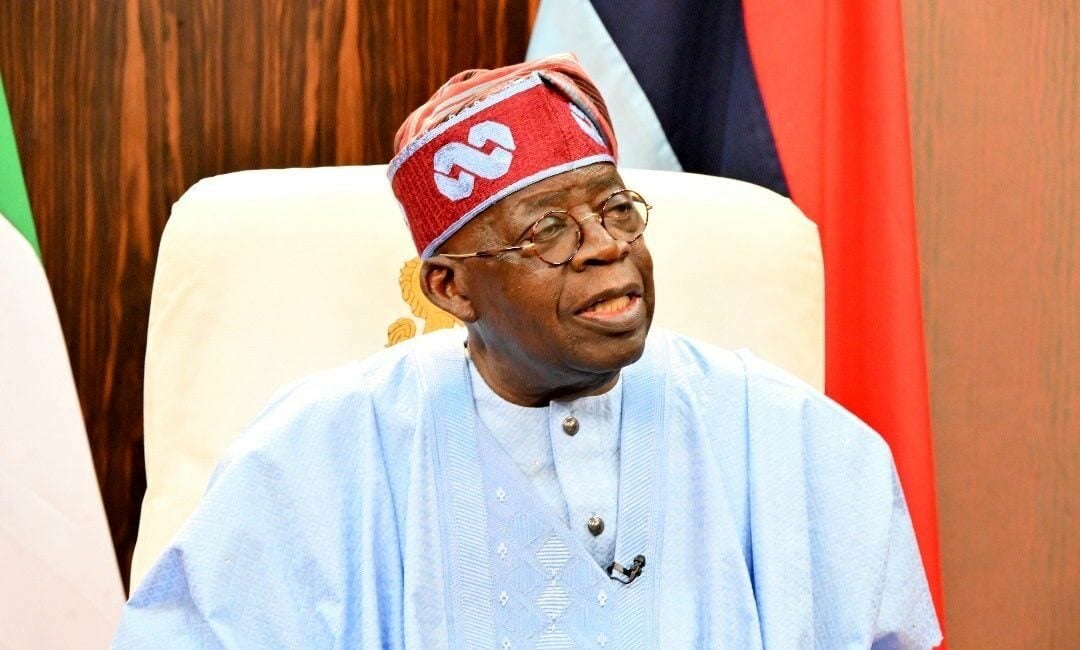
Special Adviser to President Bola Tinubu on Policy Communication, Daniel Bwala, has insisted that the President Bola Tinubu-led federal government “will not negotiate with terrorists”, reaffirming the administration’s zero-tolerance stance on dialogue with criminal groups.
Bwala made the declaration on Wednesday during an interview on Channels Television, explaining why the era of government-backed negotiations with bandits and insurgents has come to an end.
He stated firmly, “Still, the federal government did not negotiate and will not negotiate.”
According to him, previous administrations sometimes resorted to negotiation in extreme situations where citizens’ lives were at imminent risk.
Bwala referenced former Kaduna State governor, Nasir El-Rufai, who once disclosed that a national policy permitted both federal and state governments to negotiate when it was the only viable option to save lives.
“There was a time when federal government was negotiating,” Bwala said.
“El-Rufai once talked about a national policy that was passed at that time when both the federal government would have to negotiate, because if your duty is to protect the lives of people and the lives of Nigerians are in danger, and you have to save them, and you have to do all that you have to do to save them, and negotiation is the only way to save them, then you would have to save them at that time.”
However, he stressed that President Tinubu has deliberately reversed that approach with a comprehensive no-negotiation policy.
According to him, the policy shift was informed by the discovery that ransom payments or indirect concessions often end up strengthening terror networks.
“President Tinubu came up with this zero tolerance for negotiation because it then fits into terrorism financing,” he said.
“You are constructively financing terrorism without knowing.”
“There are lots of factors that can occasion the release of the Niger school children,” he said.
“There are people that call themselves negotiators and negotiations do not always involve money. There are cases where they might feel that if they don’t release these people they would have a problem they won’t be able to deal with.
“Sometimes it is the people they listen to, like these religious clerics. Sometimes it can be that the federal government has encircled them and warned them. They decide to turn them over. Sometimes on their own, they decide to release them, even if the family of the victims and the state government can pay.”
Addressing political speculation and online commentary suggesting internal pressure on Tinubu to resign, Bwala dismissed such claims as baseless.
“Nobody in the chain of command of the democratic process today in Nigeria is calling for President Tinubu to resign, other than people saying it,” he asserted.
We’ve got the edge. Get real-time reports, breaking scoops, and exclusive angles delivered straight to your phone. Don’t settle for stale news. Join LEADERSHIP NEWS on WhatsApp for 24/7 updates →
Join Our WhatsApp Channel