By Dami Sam
In Nigeria’s energy sector and across Africa more broadly, there are figures whose influence is so vast that their actions ripple far beyond their boardrooms. For decades, one such industrial titan has been celebrated as a builder, a pioneer of indigenous engineering, and a symbol of local capacity in an industry long dominated by multinationals. Pipelines were laid, contracts won, and a reputation for scale and ambition carefully cultivated.
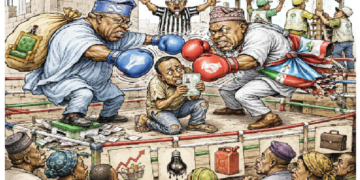
Yet today a different narrative threatens to eclipse that legacy, one not about innovation or expansion, but about unpaid obligations, prolonged litigation, and a growing perception that power is being used to evade responsibility.
At the heart of any functional economic system lies trust. Lenders extend credit on the assumption that borrowers, especially those with vast assets and public stature, will honour their commitments. When large credit facilities are accessed, the expectation is not merely moral but contractual. What happens then when repayment becomes the exception rather than the rule?
Recent court filings and public records paint a troubling picture. Claims running into billions of dollars and hundreds of billions of naira have accumulated over time, tied to entities associated with this industry heavyweight. These are not marginal disputes over interest calculations or short-term liquidity gaps. They represent systemic defaults of a scale that strains credulity.
Every business faces cycles. Cash flow tightens, projects stall, markets shift. But when defaults become chronic and are met not with transparent restructuring or good faith negotiations but with a barrage of legal manoeuvres, a pattern emerges, one that raises uncomfortable questions about intent.
A Pattern That Can’t Be Ignored
When financial institutions are compelled to seek Mareva injunctions freezing assets to prevent their dissipation, it signals a collapse of trust. Such orders are not sought lightly. They are a last resort, typically invoked when creditors believe that assets may be deliberately shielded from recovery.
At that point, the issue ceases to be about business difficulty and becomes one of credibility. The message sent to the market is a stark influence, and complexity may be leveraged to delay accountability.
This approach has consequences far beyond a single debtor-creditor relationship. It tells banks that lending to indigenous champions carries heightened risk. It tells investors that legal gamesmanship may trump commercial ethics. And it tells younger entrepreneurs that success may one day place them above the very rules that enabled their rise.
The Strategy of Delay
Perhaps most damaging is the apparent reliance on endless procedural challenges. Appeals layered upon appeals. Technical objections were raised not to resolve disputes but to stall them.
In January 2026, Nigeria’s Supreme Court issued a rare and pointed rebuke of what it described as unnecessary and frivolous appeals in debt recovery cases. The court emphasised a principle that should be self-evident: debts are meant to be paid, not endlessly litigated away.
When the apex court feels compelled to remind debtors of this basic obligation, it underscores how far the system is being stretched.
A titan who truly believes in his legacy would see litigation as a bridge to resolution, not a weapon of delay. Choosing the latter may preserve cash in the short term, but it corrodes reputation and not just personal reputation but that of the entire indigenous private sector.
Collateral Damage
The fallout from such disputes does not stop at courtrooms. Thousands of employees depend on the stability of large energy firms. Critical infrastructure projects central to national energy security rely on uninterrupted operations.
When accounts across dozens of banks are frozen, and corporate headquarters face repossession by receivers, uncertainty spreads quickly. Workers worry. Partners hesitate. The ecosystem trembles.
True leadership is tested not in moments of expansion but in moments of obligation. Paying debts even when painful is part of stewardship. It signals respect for the system that enabled growth in the first place.
A Legacy at Risk
History is unkind to contradictions. Builders who refuse to honour their obligations are often remembered less for what they created than for what they undermined. In an era when Nigeria is striving to attract investment and deepen local participation in strategic sectors, the behaviour of its most powerful players matters immensely.
The energy sector does not just run on steel and crude; it runs on trust. Financial pipelines are as important as physical ones. When those pipelines are clogged by avoidance and delay, development slows for everyone.
The question now is not whether the debts exist; the courts and creditors have made that clear. The real question is how this story will end. As a reaffirmation of responsibility and leadership? Or as a cautionary tale of how being too big can tempt one to believe they are also too big to pay.
We’ve got the edge. Get real-time reports, breaking scoops, and exclusive angles delivered straight to your phone. Don’t settle for stale news. Join LEADERSHIP NEWS on WhatsApp for 24/7 updates →
Join Our WhatsApp Channel