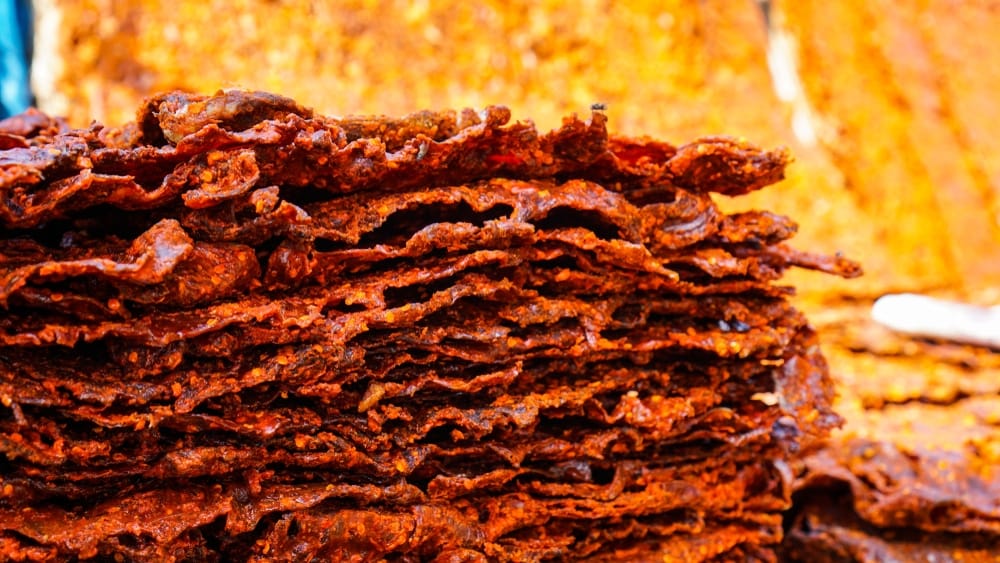
Nigeria’s rich and diverse culinary heritage has fueled an increasing demand for meat products, not only within the country but also across international markets. This presents significant business opportunities for exporters looking to tap into both domestic and global consumer bases.
Among the most promising markets are Nigerians living abroad, who seek authentic flavours and a taste of home. Catering to this growing diaspora population offers a vast and lucrative opportunity for exporters of fried and dried meat products.
This catering and meat processing sector holds great potential, driven by the growing global demand for high-protein snacks and Nigeria’s abundant livestock resources, which include cattle, goats, poultry, and more.
As many upwardly mobile Nigerians increasingly turn to processed and convenient food options such as dried and fried meat products, there remains a strong cultural preference for protein-rich dishes. Nigerians, known for their distinctive taste for peppered meat, suya, kilishi, and similar delicacies, rarely enjoy a meal or snack without some form of protein complementing their food.
It is important to note that frying and drying meat not only helps preserve it but also enhances its flavor, making it an appealing choice for consumers seeking convenient and delicious protein options.
Speaking with Adesewa Omotola, a former banker turned catering entrepreneur, she emphasized that the rise of online marketplaces combined with growing health-conscious trends has positioned fried and dried meat as an attractive option for both snack enthusiasts and those looking for healthier protein sources.
“For anyone to succeed in this business, a solid understanding of production techniques is essential. The process of making fried and dried meat typically involves marinating fresh meat with spices, drying it to extend its shelf life, and packaging it efficiently. Various methods , such as sun drying or using dehydrator can be employed depending on the desired texture and flavour.
Throughout the process, strict adherence to safety standards and regulations is crucial to ensure product quality and hygiene.” Omotola said.
It is important to recognise that the processed and dried meat business relies on a well-structured supply chain, which is vital for the success of the export market. This includes close collaboration with local farmers to ensure a consistent supply of healthy, high-quality livestock.
Omotola emphasised that forming partnerships with both local and international logistics companies can significantly streamline the export process, ensuring timely delivery to global markets.
Additionally, depending on the client’s location whether by region or continent exporters are advised to consider various transportation options, such as sea and air freight, to manage costs effectively.
She added, “Due to health and safety concerns, regulatory compliance is a critical issue that anyone interested in exporting fried or dried meat must address, especially when targeting Western countries such as Australia, New Zealand, Canada, and others.”
So, navigating the legal landscape is another crucial aspect, as exporters must comply with Nigeria’s export regulations as well as international standards. This includes obtaining all necessary certifications related to food safety and quality.
Additionally, being familiar with the import regulations of target markets will help streamline the export process. She also highlighted that having an effective marketing strategy is essential for exporters to successfully capture their target market and increase their market share.”
“Utilising social media platforms to showcase assorted fried meat products and educating consumers opens up opportunities for brand recognition and can further enhance visibility both locally and among Nigerians in the diaspora which they could leverage their business on,” Adesewa said.
Consequently, exporting fried and dried meat from Nigeria is a promising venture with immense potential. Prospective entrepreneurs can tap into a lucrative market that embraces Nigeria’s rich culinary heritage. With the right strategies, this export business can thrive, benefiting both the economy and local communities.
We’ve got the edge. Get real-time reports, breaking scoops, and exclusive angles delivered straight to your phone. Don’t settle for stale news. Join LEADERSHIP NEWS on WhatsApp for 24/7 updates →
Join Our WhatsApp Channel