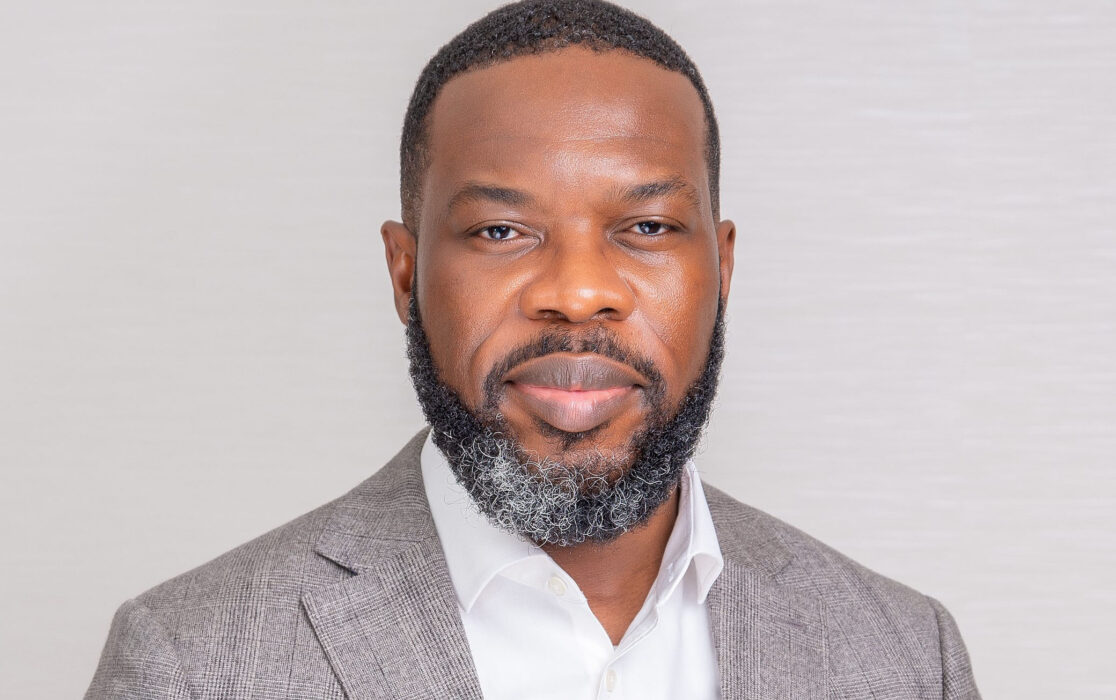
Managing Director of Project Management Institute (PMI) for Sub-Saharan Africa, George Asamani, has identified volunteering as a powerful but underutilised pathway for building professional capacity, credibility and leadership across the continent.
In a statement, Asamani said volunteering was often viewed mainly as an act of goodwill, rather than a tool for career advancement. He noted that this perception overlooks its potential to drive professional growth, especially as April marks Global Volunteer Month.
According to him, Africa continues to face a disconnect between education and employability. Citing data from the African Development Bank, he said between 10 million and 12 million young Africans enter the job market annually, while employers report gaps in experience, problem-solving ability, and leadership readiness.
Asamani attributed the challenge not to a lack of talent but to limited exposure, adding that traditional career pathways often fail to provide diverse, hands-on experience in a rapidly evolving economy.
He explained that volunteering can help bridge this gap by placing individuals in roles that demand real responsibility. “Volunteering, when approached with intention, can help close this gap,” he said, noting that nearly 18,000 volunteers contribute to PMI’s global initiatives, gaining practical experience comparable to formal roles.
The PMI regional head added that, unlike conventional workplaces where leadership roles are tied to seniority, volunteer environments often allow individuals to assume leadership responsibilities early in their careers. These roles typically involve managing projects, working in teams, engaging stakeholders, and addressing real-world challenges.
While acknowledging concerns about the lack of financial compensation, Asamani said the long-term benefits of volunteering outweigh immediate monetary considerations. He explained that volunteering helps individuals build experience, expand professional networks, and demonstrate leadership capabilities, which can enhance future career opportunities.
He also highlighted the role of volunteering in fostering meaningful professional relationships built on shared goals rather than immediate gains. According to him, such networks can provide mentorship and access to opportunities, particularly in developing markets.
Asamani further noted that as African economies become more integrated into the global system, professionals must move beyond adopting standards to actively shaping them. He said many global standards are developed through collaborative efforts involving volunteer contributions from professionals.
However, he cautioned that the impact of volunteering depends on the quality of roles undertaken. He advised individuals to seek opportunities that offer accountability, exposure to diverse perspectives, and measurable outcomes.
“As African economies grow, volunteering offers a practical way for professionals to gain experience, test their capabilities, and expand their horizons,” he said.
He added that increased participation in meaningful volunteer work could contribute to building a more skilled and adaptable workforce capable of driving development across the continent.
We’ve got the edge. Get real-time reports, breaking scoops, and exclusive angles delivered straight to your phone. Don’t settle for stale news. Join LEADERSHIP NEWS on WhatsApp for 24/7 updates →
Join Our WhatsApp Channel