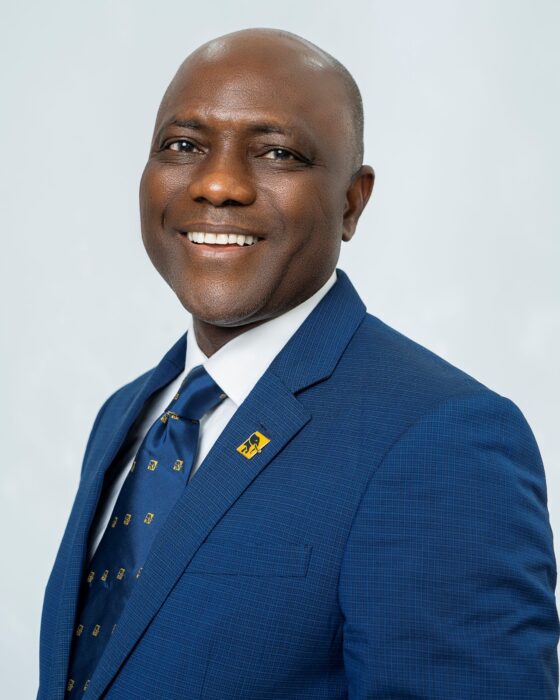
Weak legal and institutional frameworks are limiting the ability of banks to provide adequate financing to businesses, particularly small and medium-scale enterprises (SMEs), the Managing Director and Chief Executive Officer of FirstBank Nigeria, Olusegun Alebiosu, has said.
Alebiosu said the challenge of financing businesses goes beyond the capacity or willingness of banks to lend, stressing that government, the judiciary and other institutions must create a trusted and predictable business environment where contractual obligations are enforceable.
He spoke against the backdrop of concerns over limited access to credit by businesses, especially SMEs, which often face difficulties meeting banks’ collateral and risk-management requirements.
According to him, the operating environment and laws governing business transactions are critical to determining the extent to which financial institutions can extend credit to the economy.
“When people say, ‘you are not financing enough,’ the issue goes beyond the banks. The law, the legal system, the judiciary and the government must invest in creating a trusted environment and making it safe for everyone to transact,” he said.
The FirstBank CEO explained that although banks have mechanisms, including collateral and other risk-management measures, to protect their interests, a weak legal and institutional environment could undermine lenders’ confidence and restrict the flow of credit.
“If that trust is broken, you cannot have a viable financial system. It is not going to work,” Alebiosu said.
He noted that banks could demand collateral and perfect their security interests as part of efforts to manage lending risks, but stressed that such measures would not be sufficient without a broader system that guarantees the enforcement of contracts and protection of legitimate business interests.
Alebiosu therefore called for stronger legal and institutional frameworks that would deepen trust among businesses, lenders and other economic participants, saying this would create the conditions required for banks to lend more and support economic growth.
He also highlighted the progress made by Nigeria’s banking industry in developing payment infrastructure and sustaining economic activity, describing the sector as one of the most developed segments of the Nigerian economy.
According to him, the development of instant payment systems and the resilience of banking services demonstrate the industry’s capacity to support businesses and the wider economy despite infrastructure challenges.
“Nigeria is already doing many things. Even when you do not have electricity, ATMs are still working. We do many things to ensure that the economy continues to function,” he said.
On the growing influence of technology and artificial intelligence (AI) in banking, Alebiosu described the technology as more of an opportunity than a threat, while warning that it could also intensify cybersecurity risks.
“It is more of an opportunity than a threat. However, the threat environment could be heightened,” he said.
He said AI could significantly improve efficiency in the banking industry by accelerating the collection, processing and analysis of information, enabling banks to make use of data within milliseconds that could previously have taken weeks or even years to process.
Alebiosu, however, stressed the need for banks to strengthen their cybersecurity infrastructure as financial services become increasingly digital.
He disclosed that FirstBank has invested heavily in cybersecurity and operates a 24-hour command centre to monitor its operations globally and respond to emerging threats.
“We take down millions of fraud attempts every month,” he said.
We’ve got the edge. Get real-time reports, breaking scoops, and exclusive angles delivered straight to your phone. Don’t settle for stale news. Join LEADERSHIP NEWS on WhatsApp for 24/7 updates →
Join Our WhatsApp Channel