Thirty years after the first global climate talks, COP30 in Brazil showed that while the world talks a lot about climate action, turning words into resilient, life-saving change remains the greatest challenge.”
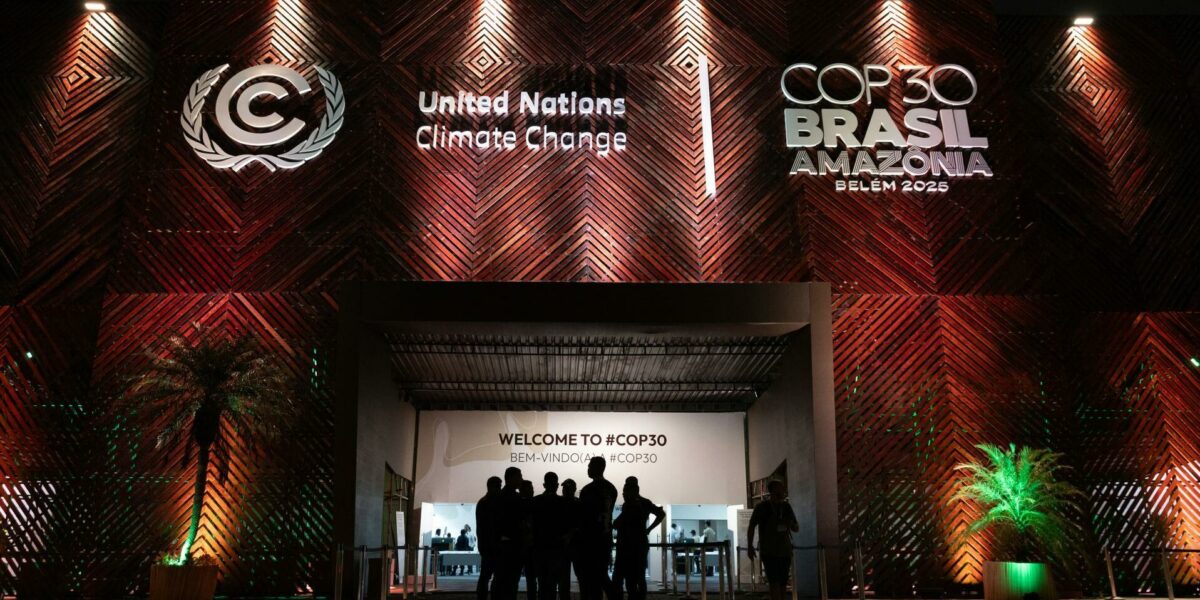
COP30 in Belém, Brazil, marked three decades of global climate negotiations and a moment to reflect on progress toward the 1.5°C goal. Yet the summit highlighted a climate regime increasingly shaped by geopolitics, economic pressures, and domestic politics. The dramatic venue evacuation after a fire became a metaphor: the COP process still functions, but it is fragile.
Over thirty years, global climate frameworks from the Kyoto Protocol to the Paris Agreement and the Green Climate Fund, have guided investment, accelerated renewable energy growth, and created consensus on the urgency of action. But progress remains uneven. COPs require consensus among nearly 200 countries, and COP30 again fell short on binding commitments to phase out fossil fuels. Voluntary coalitions carried ambition, resulting in incremental progress without decisive action.
Winners and Losers
Countries, cities, and companies able to act outside formal negotiations are the clear winners, driving electrification, hydrogen, clean industry, and green investments. Vulnerable communities, meanwhile, remain exposed: adaptation finance is slow, and fossil-dependent economies face uncertainty without just-transition protections or alternative revenue pathways. The gap between commitments and implementation continues to widen.
Africa sits at the heart of global climate discussions but remains structurally disadvantaged. The continent holds immense potential: renewable energy, critical minerals, and a youthful, innovation-driven population, yet faces severe climate impacts and limited fiscal space. Market-driven climate opportunities often favour external actors, leaving African countries with fragmented benefits. Without reforms to climate finance structures, Africa risks being left behind.
From Summits to Domestic Action
Nigeria has made tangible strides: establishing a national carbon market framework, advancing renewable energy programmes, integrating climate priorities into state development plans, and expanding access to climate finance. Several states now track expenditures, improve resilience in agriculture, energy, and urban planning, and support green entrepreneurship. These steps demonstrate Nigeria’s growing role as an active participant in the global climate agenda.
However, COP outcomes only matter when translated into national budgets, policies, and projects. The next five years will test countries’ ability to deliver, hinging on finance, capacity, and political will. Funds must be faster, predictable, and accessible. Weak project preparation, procurement bottlenecks, and limited technical capacity remain barriers, while governments must link climate action to jobs, health, security, and agriculture to gain public support.
This is where the Partnership for Agile Governance & Climate Engagement (PACE) matters. Nigeria faces a $17.7 billion annual climate finance gap, yet opportunities abound if governance systems are strengthened. PACE, a four-year, FCDO-funded programme implemented by DAI, supports federal and state governments, coalitions, and communities to embed climate priorities into planning, budgeting, and public financial management; improve climate finance readiness; enhance revenue mobilisation and transparency; and promote inclusive, evidence-based decision-making. Working primarily in Kaduna, Kano, and Jigawa, with national influence across all 36 states, PACE recognises that governance is climate infrastructure.
PACE has delivered tangible results: modernising public financial management and procurement systems, strengthening transparency and coordination, and improving state-level capacity to track expenditures and integrate climate priorities. Its green-growth agenda helps governments and businesses unlock adaptation and mitigation finance, stimulate climate-responsive sectors, and expand opportunities for women, youth, and small enterprises. By facilitating coalitions and aligning governance reforms with Nigeria’s emerging UK Enhanced Trade and Investment Partnership, PACE positions states as credible, investment-ready hubs for climate-smart development.
Geopolitics and the Road Ahead
COP30 showed that climate action is inherently political. Energy security, trade disputes, and election cycles influence who supports fossil-fuel phase-outs and who commits finance. Fragmentation benefits actors with capital and technical capacity while disadvantaging countries reliant on multilateral support. Africa’s response must combine global advocacy for fair finance with domestic reforms to absorb and deploy investment effectively, a space where programmes like PACE is critical.
If COP30 is to mark a turning point, the next five years must focus on faster, predictable adaptation and Loss & Damage finance; major investments in public-sector capacity; clear just-transition pathways; and stronger subnational coalitions to translate global commitments into local resilience.
Thirty years after the UNFCCC, the global climate regime is at a crossroads. For Africa and especially Nigeria, success now depends on domestic systems, governance reforms, and political leadership as much as international negotiations. The next phase of climate action will be measured not by communiqués, but by outcomes: lives protected, farms adapted, cities cooled, and economies retooled. That is the work that begins after COP30 and where programmes like PACE will matter most.
– Baruwa, an international development expert writes from. Abuja
We’ve got the edge. Get real-time reports, breaking scoops, and exclusive angles delivered straight to your phone. Don’t settle for stale news. Join LEADERSHIP NEWS on WhatsApp for 24/7 updates →
Join Our WhatsApp Channel