BY LANRE OGUNDIPE
The death of Nigerian singer Ifunanya Nwagene following a snake bite in Abuja has once again forced the country to confront an uncomfortable reality: Nigeria’s hospitals increasingly function as consulting clinics rather than life-saving institutions. While grief, outrage and official rebuttals have dominated public discourse, the deeper issue is not confined to one hospital or one incident. It is rooted in a systemic failure of healthcare delivery that successive governments have normalised.
Nigeria does not lack hospitals in number. It lacks hospitals in capacity. Across the country, imposing buildings carry the signboard “General Hospital” or “Teaching Hospital,” yet when emergencies strike, patients are moved from one facility to another in desperate search of care that should be standard. Consultations are offered. Referrals are written. Payments are demanded. But decisive intervention is often delayed or unavailable. In emergencies, this hesitation costs lives.
Snakebite envenomation is not an obscure or experimental medical condition. It is a recognised emergency with clear treatment protocols. The decisive factor is timely access to the correct antivenom, administered by trained personnel in a facility equipped to manage complications. That this basic expectation could be questioned in the Federal Capital Territory should deeply trouble policymakers and citizens alike. Abuja is meant to represent the best of Nigeria’s public infrastructure. When it fails, the implications for the rest of the country are grim.
What has emerged over time is a healthcare system designed for routine outpatient care rather than acute medical emergencies. Many public hospitals operate comfortably within the limits of consultation, diagnosis and referral. They are structurally unprepared for crises. Emergency units exist largely in name. Intensive care facilities are few, under-equipped or unaffordable. Drug supply chains are unreliable. Power supply remains erratic. Ambulance services are weak or nonexistent. In such an environment, survival often depends more on chance than on preparedness.
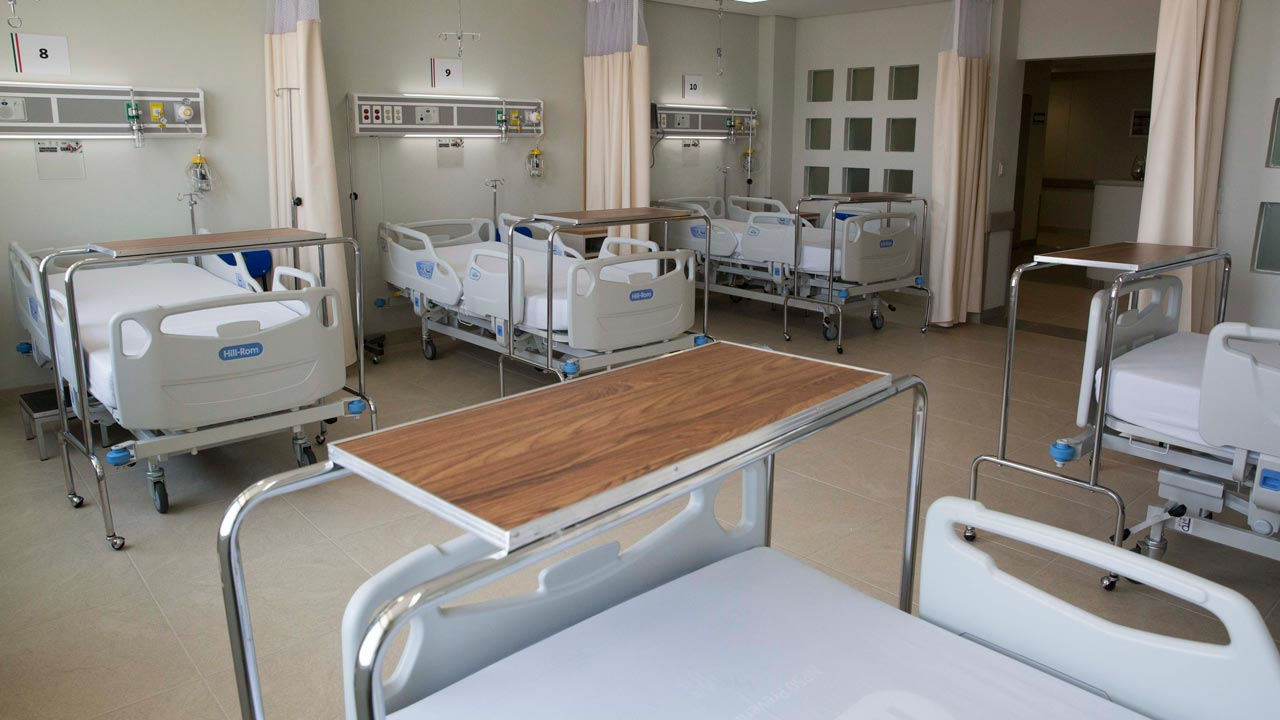
Governments frequently point to the number of hospitals built or renovated as evidence of progress. But healthcare is not measured in concrete and paint. It is measured in readiness. A hospital without trained emergency staff, stocked life-saving drugs, functional equipment and clear protocols is not a hospital in the true sense. It is a consulting clinic with beds.
The tragedy unfolding in Abuja underscores another hard truth: if emergency care remains unreliable in the nation’s capital, where resources are supposedly concentrated, then conditions in state capitals and rural communities are predictably worse. Millions of Nigerians live far from tertiary facilities and depend on under-resourced general hospitals and primary health centres. For them, medical emergencies often become death sentences long before help arrives.
Government responses to such tragedies tend to focus on managing narratives rather than addressing systemic weaknesses. Official statements are issued. Technical explanations are offered. Responsibility is deflected. But governance is not about post-incident clarification. It is about prevention. A system that repeatedly forces patients to navigate multiple facilities during emergencies has already failed, regardless of official denials.
Nigeria’s health sector suffers from chronic underfunding, but the problem goes beyond budgetary figures. What is missing is prioritisation. Emergency healthcare has not been treated as a national imperative. Funds are spread thinly across competing interests. Supply chains are fragmented. Oversight is weak. Meanwhile, political leaders and senior officials routinely seek medical care abroad, insulating themselves from the consequences of domestic neglect. This silent medical inequality has dulled the urgency for reform.
Hospitals cannot continue to operate as though emergencies are rare exceptions. Emergencies are the true test of any health system. Every general and tertiary hospital should be equipped, staffed and mandated to respond effectively to life-threatening situations. Anything less amounts to institutional dishonesty.
Policy reform must therefore be deliberate and enforceable. First, government must redefine what qualifies as a hospital. Facilities designated as general or tertiary hospitals should meet minimum standards for emergency care, including functional emergency units, stocked essential drugs, trained personnel, reliable oxygen supply and uninterrupted power. Facilities that cannot meet these standards should be reclassified accordingly, not deceptively labelled.
Second, emergency drug supply must be ring-fenced. Life-saving medications such as antivenoms should not be subject to routine procurement delays or stock uncertainties. A protected national and regional stock system, supported by real-time monitoring and guaranteed funding, is essential.
Third, investment in human capacity must take precedence over aesthetics. Emergency medicine, critical care and trauma management require specialised training. Nigeria cannot continue to rely on overstretched general practitioners to manage complex emergencies without support. Competitive remuneration, hazard allowances and clear career pathways are necessary to retain skilled professionals.
Fourth, emergency transport and response systems must be strengthened. Ambulance services should be properly equipped, staffed and integrated into a coordinated response network. Emergency response times should be measured, published and improved. Without rapid transport, even the best hospitals will fail.
Finally, accountability must be institutionalised. Preventable deaths should trigger independent reviews and corrective action, not public relations management. Health ministries at federal and state levels must be answerable not only for policies but for outcomes.
The death of Ifunanya Nwagene should not become another fleeting headline. It should serve as a national reckoning. A country’s healthcare system is ultimately judged not by the number of hospitals it claims to have, but by how many lives those hospitals can save when it matters most. Until Nigeria’s hospitals are rebuilt functionally, not cosmetically, tragedies like this will remain disturbingly routine, and the cost of failure will continue to be paid by ordinary citizens.
Lanre Ogundipe, Public Analyst, Former President Nigeria and Africa Union of Journalists writes from Abuja
We’ve got the edge. Get real-time reports, breaking scoops, and exclusive angles delivered straight to your phone. Don’t settle for stale news. Join LEADERSHIP NEWS on WhatsApp for 24/7 updates →
Join Our WhatsApp Channel