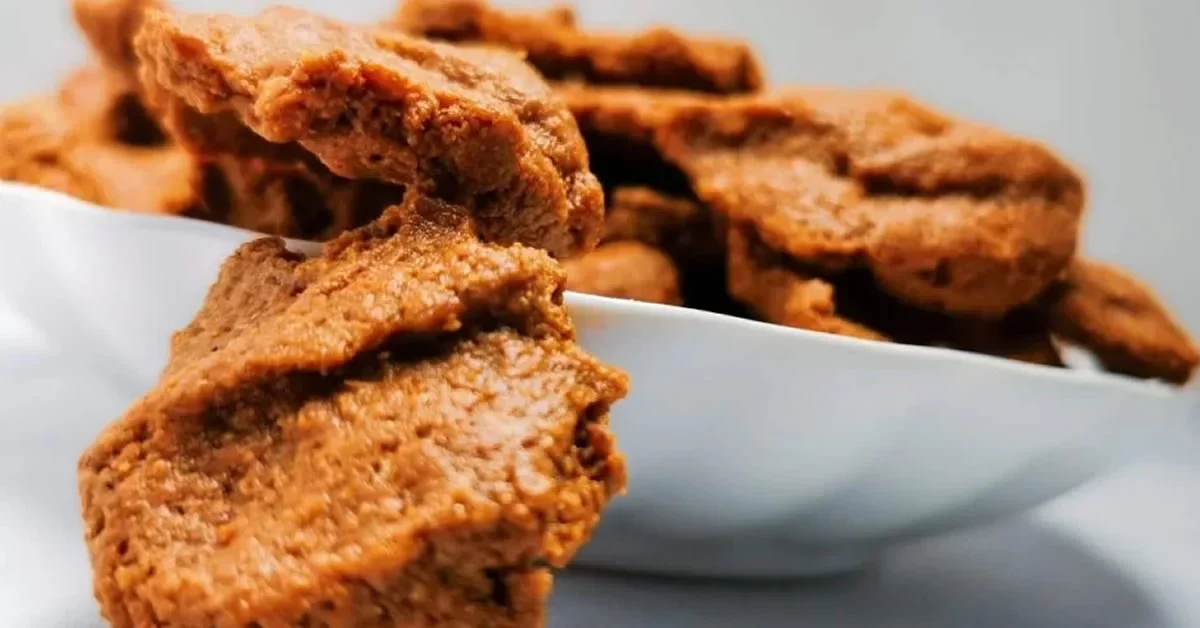
Kuli‑Kuli is a protein‑rich snack made from roasted groundnuts (peanuts) that has strong cultural roots in Nigeria/West Africa, yet also growing interest abroad for “ethnic/heritage” foods or healthy snacks.
Nigeria’s locally made kuli-kuli, a crunchy peanut snack once reserved for roadside sellers and rural kitchens, is quietly emerging as a valuable non-oil export product.
Once regarded as a simple delicacy, kuli-kuli is now gaining attention as a nutritious, plant-based snack with growing demand in international markets, particularly among the African diaspora and health-conscious consumers.
There are existing Nigerian companies already exporting or preparing for export. For example: export specification and demand information for Kuli‑Kuli is available
Kuli-Kuli Production:
Kuli-kuli production starts with high-quality groundnuts, usually sourced from Northern Nigeria where the crop thrives. The groundnuts are roasted to bring out their natural oils and flavour, then ground into a paste. The oil is pressed out of this paste, leaving a thick residue that is seasoned with salt or spices and molded into small sticks, balls, or discs before being fried until crisp.
The remaining groundnut oil extracted during the process is not wasted; it is often reused for frying or sold separately as a valuable by-product. This circular use of materials makes kuli-kuli production a low-waste enterprise and an appealing model for small-scale agro-entrepreneurs.
Once produced, the kuli-kuli must be cooled and stored in airtight containers to retain its crunch and prevent contamination. Traditionally, local sellers package it in nylon bags or paper wraps, but for export, the product requires far more sophisticated handling.
Packaging For Export
For kuli-kuli to meet international quality requirements, producers must adhere to strict hygiene, processing, and packaging standards. The first step is ensuring that the groundnuts used are free from aflatoxin contamination, a common challenge in tropical environments. Exporters often need to conduct laboratory tests to certify the product’s safety and quality.
The National Agency for Food and Drug Administration and Control (NAFDAC) and the Standards Organisation of Nigeria (SON) play key roles in this process. Producers are required to register their products, obtain necessary certifications, and comply with labeling regulations. Proper labeling includes nutritional facts, expiration dates, batch numbers, and barcodes.
Attractive branding and labeling also help position kuli-kuli competitively in foreign markets, where presentation influences consumer choice as much as taste.
The journey from a local kitchen to international shelves requires planning and compliance. Prospective exporters must first register their businesses with the Corporate Affairs Commission (CAC) and then obtain an exporter’s certificate from the Nigerian Export Promotion Council (NEPC).
Training under the Export Expansion Facility Programme (EEFP) or NEPC’s Export Clinic helps new exporters understand the logistics of packaging, documentation, and destination requirements. Export-ready producers must also understand customs procedures, freight forwarding, and storage conditions to maintain product integrity during transit.
Once approved, exporters can ship kuli-kuli through bulk orders or e-commerce platforms such as Etsy, eBay, or Amazon, where African foods now have growing visibility. Diaspora communities in the United States, United Kingdom, Canada, and the Middle East constitute a strong consumer base. Some producers are already developing healthier variants such as low-fat kuli-kuli, kuli-kuli flour for smoothies, and blended options mixed with coconut or honey to appeal to diverse tastes.
Challenges
Despite its potential, financing remains a major challenge for small producers. Access to affordable credit for machinery, quality packaging, and certification can be difficult. Microfinance banks and development finance institutions like the Bank of Industry (BOI) offer small-scale agro-processing loans, while the Central Bank of Nigeria’s Export Facilitation Initiative (EFI) supports businesses with foreign exchange for export operations.
For small business owners, joining cooperatives or export clusters can reduce individual costs for certification, bulk packaging, and shipping. Shared facilities also help meet hygiene and quality standards demanded by foreign markets.
We’ve got the edge. Get real-time reports, breaking scoops, and exclusive angles delivered straight to your phone. Don’t settle for stale news. Join LEADERSHIP NEWS on WhatsApp for 24/7 updates →
Join Our WhatsApp Channel