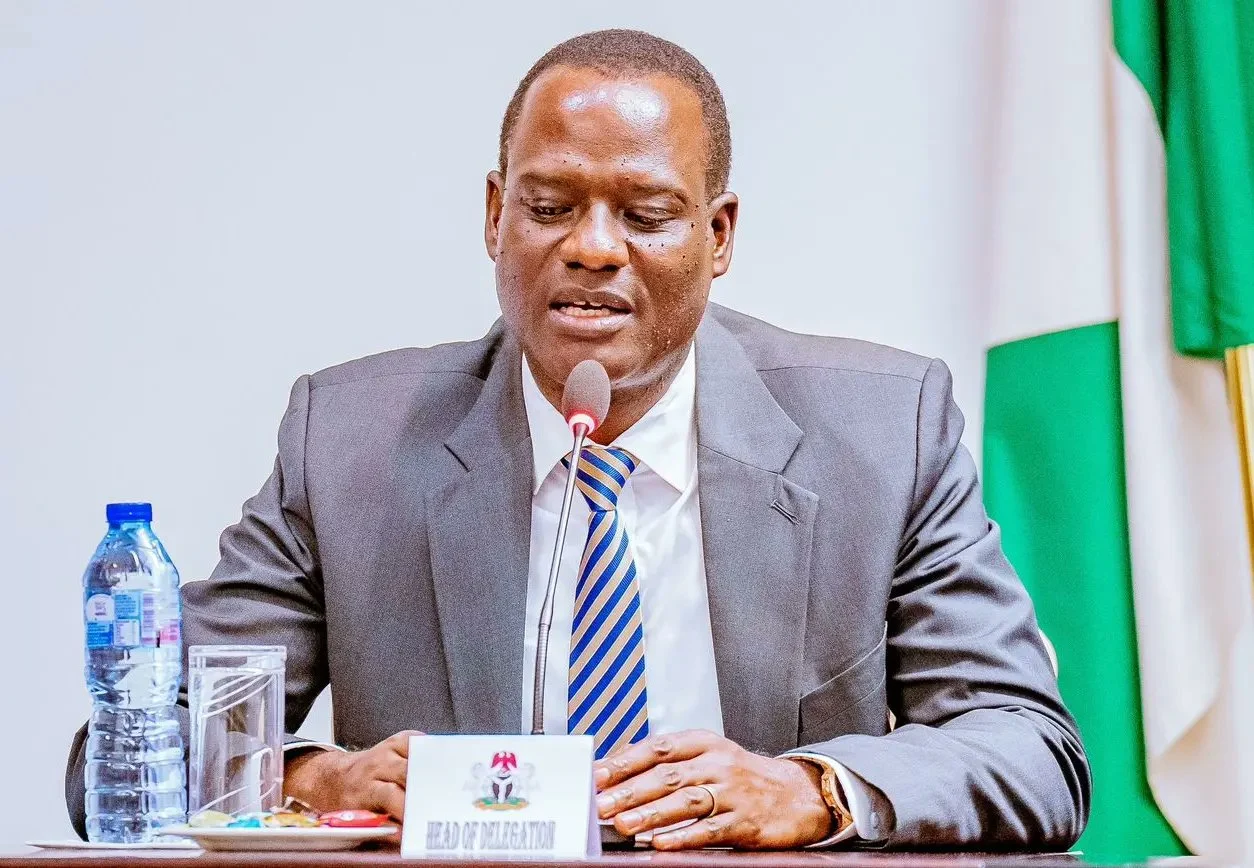
Workers earning between N100,000 and N2 million monthly can look forward to tax reliefs starting January 2026, the chairman of the Presidential Committee on Fiscal Policy and Tax Reforms, Taiwo Oyedele, has assured. Oyedele stated that the new tax structure, which takes effect in January 2026, will reverse the current situation in which 96 per cent of personal income tax in Nigeria is collected from low-income earners.
He noted that taxing the country’s most vulnerable citizens to finance government spending had deepened inequality and fuelled social tension.
Under the new tax law, workers earning N100,000 or less per month will be fully exempted from Pay-As-You-Earn (PAYE) tax, a category that accounts for about one-third of Nigeria’s workforce across the public and private sectors.
“How does it make sense that in a country with wide income inequality, we collect most of our taxes from low-income earners? We are taxing the most vulnerable people to complicate their suffering further, and that is one of the reasons for the social tension in Nigeria today,” Oyedele stated.
This, he said, formed the moral and economic anchor for the federal government’s sweeping tax reforms.
According to him, inequality lies at the heart of Nigeria’s growing anger, mistrust, and fragility. He adds that when citizens feel excluded from prosperity, frustration easily turns into resentment against the state, manifesting in social conflict, criminality, and disregard for public assets.
“One-third of working Nigerians cannot boast of N100, 000 a month, yet we still collect taxes from them. When people are hungry and angry simultaneously, they become irrational. It is in our enlightened self-interest to make Nigeria work for all Nigerians,” Oyedele said, stressing that the reforms are designed to reset not just the tax system, but the country’s social contract.
He noted that a major part of the reforms involves a significant shift in personal income taxation, stating that from January next year, workers earning between N100,000 and N2 million monthly will see a reduction in their tax burden, effectively increasing their take-home pay without a salary increase.
He added that only two per cent of Nigerians, those earning above N2 million a month, fall into the upper-income bracket and will shoulder a slightly higher marginal tax rate.
Oyedele dismissed claims that the reforms punish productivity, noting that the top personal income tax rate of 25 per cent only applies to individuals earning at least N120 million annually, a level he described as “not small money anywhere in the world.”
We’ve got the edge. Get real-time reports, breaking scoops, and exclusive angles delivered straight to your phone. Don’t settle for stale news. Join LEADERSHIP NEWS on WhatsApp for 24/7 updates →
Join Our WhatsApp Channel