On paper, at least, Zamfara is one of the poorest states in Nigeria. There is ample evidence to make such an assertion. Available development indices from the state, the Bureau of Statistics, and even international institutions point in that direction.
From life expectancy to safety and the fear of encountering violence, or simply the number of students who sit down to write WAEC examinations each year, the indicators are negative.
But that’s on paper. A few Nigerians snooping around for investment opportunities are beginning to think otherwise. Some are even convinced that Zamfara is the richest state in Nigeria.
They are the business executives courageous enough to invest in Nigeria’s troubled mining sector, particularly in Zamfara. What they are mostly mining for is gold, for which a single gram could fetch close to N200,000 on the international market.
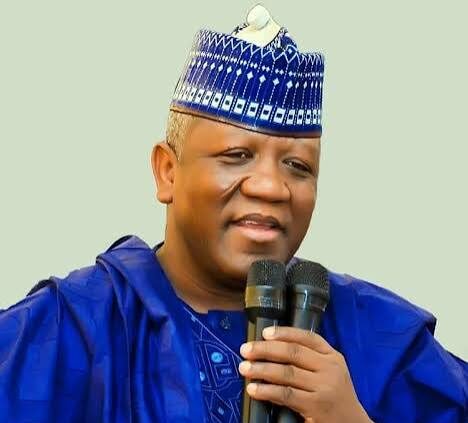
With Senator Abdulaziz Yari’s $750 million buyout of shares in Geregu Power, attempts to reconcile Zamfara’s productivity on paper with one of Nigeria’s largest corporate takeovers in recent years only expose the gulf between the country’s formal and informal sectors.
But this is as much a story about the thin line between governance and business, why mining remains largely in the informal sector, and what corporate business means in a state like Zamfara, where Yari was governor.
The N40 billion bond default by Geregu Power has put two investors on the spot. One is a prominent player in Nigeria’s corporate world, with investments in multiple sectors; the other is a political operative just discovering the world outside politics.
The Nigerian power sector has the largest debt burden of any industry, running into trillions of naira. Even the federal government has been unable to pay off the debts. Instead, it has looked to government-backed bonds to finance them.
That explains why Femi Otedola, the billionaire investor, would want to cash in and get out. In December 2025, he sold his stake in Geregu Power to Senator Abdulaziz Yari’s company, Ma’am Energy, for about $750 million.
Six months later, Yari took over as chairman of the board and management of Geregu Power. His presence could come in handy for Geregu. As a political operative, Yari has a skill for getting the government to pay off debts and refunding Paris Club loans on behalf of states.
But questions remain about whether Yari did his due diligence, whether he had financial advisers, whether regulatory agencies gave Geregu a clean bill of health, or whether Yari simply decided to pour good money after bad without asking questions.
The level of debt in the power sector and the bond issued by Geregu were, after all, matters of public record.
The company’s management has offered an explanation, saying it is committed to transparency and seeks to reassure its shareholders, investors, regulators, and the public.
More significantly, the management said it had undertaken a comprehensive review and reconciliation of the company’s transactions, liabilities, operational commitments, and financial obligations.
But nothing from the statement, from the experience in the power sector in the last few years, or from Geregu Power itself explains why Senator Abdulaziz Yari ever thought his $750 million investment would be profitable.
We’ve got the edge. Get real-time reports, breaking scoops, and exclusive angles delivered straight to your phone. Don’t settle for stale news. Join LEADERSHIP NEWS on WhatsApp for 24/7 updates →
Join Our WhatsApp Channel