Young Nigerians have called for a more active role in the implementation and oversight of government policies affecting them.
They insisted that their participation should extend beyond consultation and policy design to include decision-making and accountability processes.
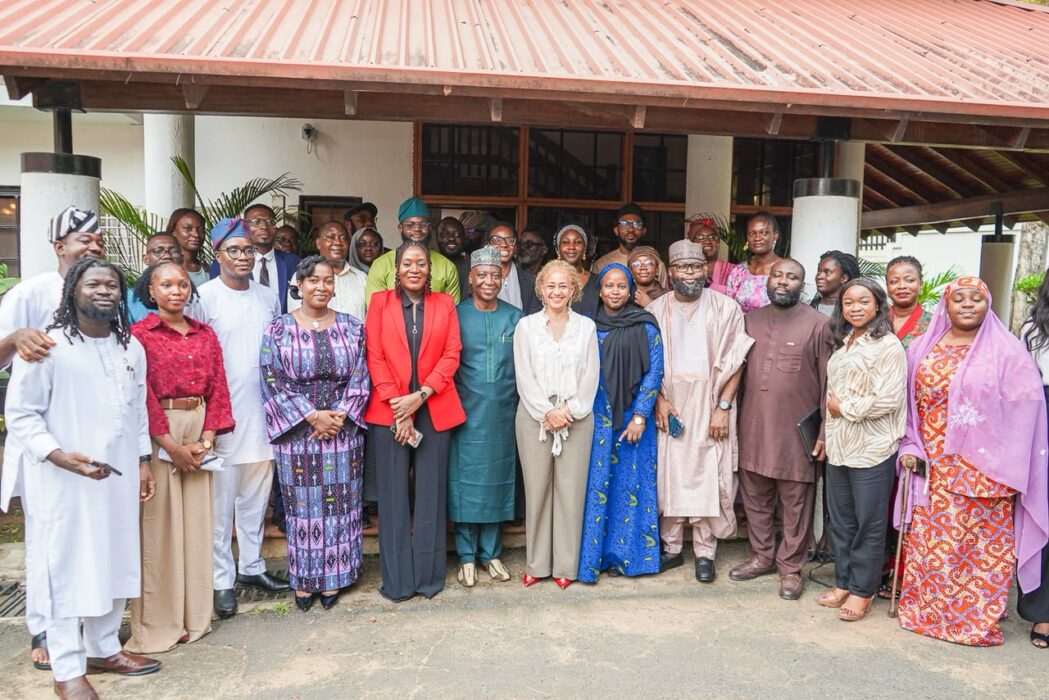
The demand formed a key outcome of a High-Level Stakeholders’ Dialogue on Nigeria’s National Youth Policy (NYP) convened by the Network of Youth for Sustainable Initiative (NGYouthSDGs) in partnership with the British High Commission and the Federal Ministry of Youth Development in Abuja.
The meeting brought together representatives of government institutions, the National Assembly ecosystem, state governments, development partners, the private sector and youth-led civil society organisations to review findings from a nationwide youth consultation conducted between January and March 2026.
The consultation, supported by the Nigeria Youth Futures Fund (NYFF), engaged more than 550 young Nigerians from Bauchi, Benue and Rivers States, as well as participants in two national virtual sessions.
The participants said the experiences shared by young people revealed a recurring pattern in public policymaking: youths are often invited to contribute during policy formulation but are rarely involved in implementation, monitoring, and evaluation.
According to the consultation findings, while the National Youth Policy 2019–2023 outlined ambitious goals for youth development, it lacked a dedicated financing framework and did not publicly account for evaluations that were expected to assess progress and impact.
The findings further indicated that many young Nigerians felt excluded from the implementation and oversight stages of the policy despite their involvement in its design.
At the event, the founder and executive director of NGYouthSDGs, Joshua Alade, said young people in the country had consistently identified the critical areas that the next National Youth Policy must address.
“Young Nigerians have already told us, with remarkable consistency, what the next National Youth Policy needs to get right,” Alade said.
“Today’s dialogue brought that evidence into the same room as the people with the authority to act on it. What happens next is what will determine whether this becomes another well-intentioned document, or the policy cycle where Nigeria finally moves from ideas to accountable delivery.”
Also, the head of Development Cooperation at the British High Commission in Abuja, Cynthia Rowe, reaffirmed the United Kingdom’s support for an evidence-driven approach to youth development.
“The UK is proud to partner with the Federal Ministry of Youth Development and NGYouthSDGs on this important conversation,” she said.
We’ve got the edge. Get real-time reports, breaking scoops, and exclusive angles delivered straight to your phone. Don’t settle for stale news. Join LEADERSHIP NEWS on WhatsApp for 24/7 updates →
Join Our WhatsApp Channel