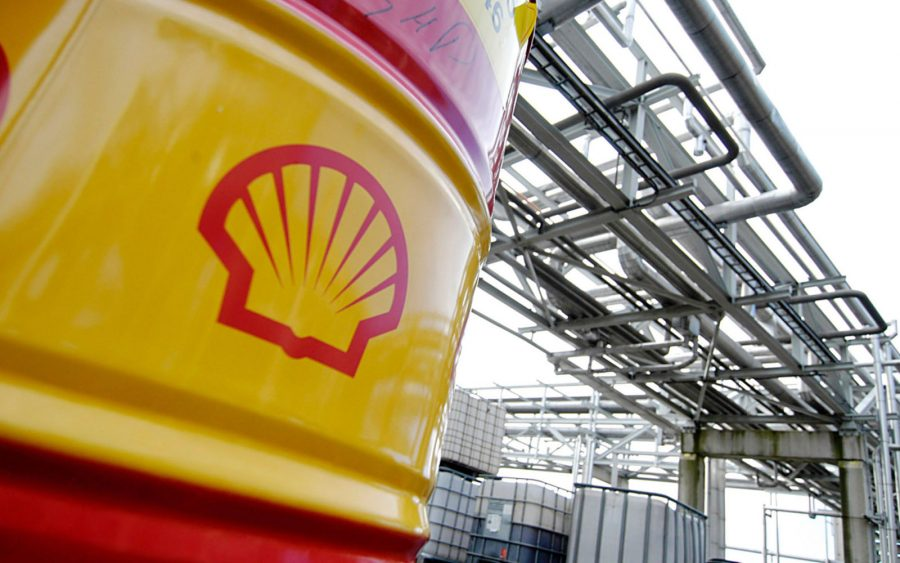
Leaked internal documents have exposed an estimated $10.9 billion decommissioning and cleanup liability for Shell Plc tied to decades of pollution in Nigeria’s Niger Delta, according to a report published on Wednesday by Amnesty International and seven partner organisations.
The coalition — which includes The Corner House, Hawkmoth, HEDA Resource Centre, Kebetkache Women Development & Resource Centre, Miideekor Environmental Development Initiative, ReCommon and Social Action — says 27 redacted documents disclosed in UK litigation showed years of neglected infrastructure, weak oversight and efforts to minimise cleanup costs by the oil major before it sold its onshore Nigerian business in 2025.
“The real scandal is Shell’s pursuit of profit at the expense of people’s rights,” Isa Sanusi, Amnesty’s Nigeria director, said. “Shell knew the risks from ageing and leaking infrastructure, including an internal description of a pipeline as ‘a basket’, yet kept oil flowing. That tolerance for environmental risk would not have been accepted elsewhere.”
Internal emails, technical audits and presentations from Shell and its Nigerian arm, SPDC, pointed to repeated integrity failures in pipelines and wells, skipped maintenance, and weakened safety standards.
One 2013 internal note asked bluntly: “Are we comfortable to continue producing, KNOWING that further environmental damage WILL occur?”
Shell staff reportedly lost track of the location and condition of hundreds of wells, prompting a 2014 “well hunt campaign.”
The report estimates that 375 square kilometres of mangrove forest have been damaged and cites a 2013 internal assessment indicating that full decommissioning of SPDC assets could cost about $10.9 billion.
Social Action director Isaac Osuoka warned Shell’s 2024 divestment from onshore assets must not become a way to avoid responsibility. “Communities in the Niger Delta have borne the costs of pollution for decades,” he said. “Those responsible must no longer evade scrutiny or accountability.”
Allegations of collusion and cost avoidance
The groups say the files undermine Shell’s long‑standing defence that most pollution stemmed from oil theft and sabotage. Documents record company executives permitting tapped pipelines to remain in production rather than repairing them to avoid disruption, even when warned this would cause environmental harm. An internal 2011 security review described SPDC’s security operations as “seriously flawed,” and managers cautioned staff and contractors may have been involved in bunkering.
“One Shell manager wrote in 2012 that ‘there is collusion, nepotism and corruption running through the veins of [SPDC]… Shell’s Code of Conduct is an inconvenience here: it’s completely ignored,’” the report said.
The coalition also says Royal Dutch Shell (now Shell plc) was directly involved in decisions at SPDC, contradicting the company’s past claims that the Nigerian unit operated autonomously. Documents show executives discussed selling the onshore division more than a decade before the 2025 sale, in part to avoid open‑ended decommissioning costs.
Shell response
Shell denied the report’s characterisation. In a response to an Amnesty letter dated 3 July 2026, the company said the NGO had “selectively referred to and quoted from documents in a way that creates a misleading impression” and noted the challenging operating environment in the Niger Delta, including large‑scale oil theft and illegal refining. Shell said its former Nigerian subsidiary worked with authorities and partners to respond to spills “regardless of cause,” as required by Nigerian law.
Renaissance Africa Energy, the firm that bought Shell’s onshore assets in 2025, did not respond to Amnesty’s requests for comment, the report says.
Legal fallout and demands
Much of the material stems from a 2015 lawsuit by the Bille and Ogale communities against Shell and SPDC in UK courts.
The 27 documents were made public in April 2026 after campaign groups won a public-interest disclosure; additional documents were revealed in May.
The Bille case is due to be heard in March 2027.
Amnesty and its partners are calling on the Nigerian government to overhaul oil sector regulation, mandate transparent audits of active and retired assets, and set up a dedicated restoration fund for the Niger Delta. They also urged UK and Dutch regulators to investigate whether Shell misled shareholders and regulators about the state of its operations and liabilities.
“Holding companies and home states to account is essential,” the report said. “We call on Nigeria, Shell, and Shell’s home states, the United Kingdom and the Netherlands, to take urgent steps to ensure accountability, investigate all wrongdoing, disclose critical information, fund and implement a comprehensive clean‑up, and guarantee justice and reparations for affected communities.”
Court proceedings and further disclosures mean the controversy is likely to continue through the Bille case and possible regulatory probes in Europe.
We’ve got the edge. Get real-time reports, breaking scoops, and exclusive angles delivered straight to your phone. Don’t settle for stale news. Join LEADERSHIP NEWS on WhatsApp for 24/7 updates →
Join Our WhatsApp Channel