…Tinubu orders immediate clearance
More than 300 containers of electricity equipment have been left stranded at Nigerian ports for between 14 and 20 years, even as ageing transmission infrastructure continues to limit the amount of power the national grid can deliver to homes and businesses. President Bola Tinubu has now ordered their immediate clearance, directing the Ministry of Power, the Nigerian Ports Authority (NPA) and the Nigeria Customs Service (NCS) to remove the bottlenecks.
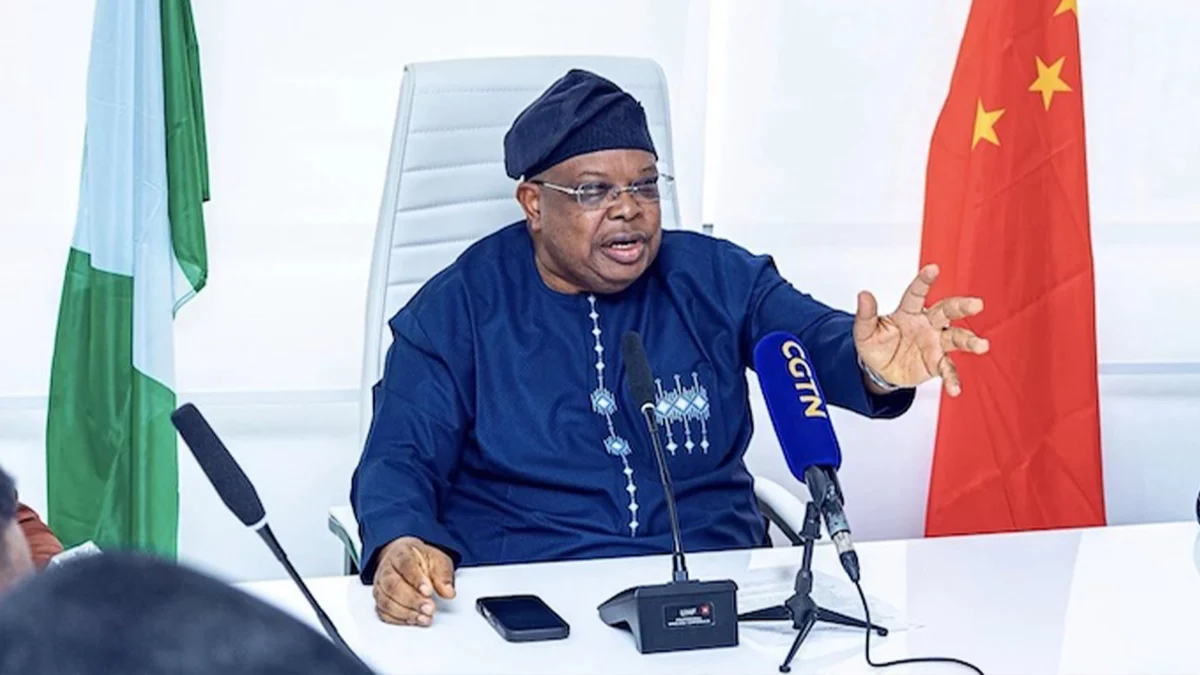
The Minister of Power, Joseph Olasunkanmi Tegbe, announced the presidential directive after a Federal Executive Council meeting presided over by President Tinubu.
He said the equipment, which includes materials needed for transmission projects, had remained trapped at the ports because of unpaid charges and unresolved clearance processes.
Tegbe described the situation as a major setback for the power sector, noting that equipment meant to strengthen the grid had been allowed to sit unused while the country continued to struggle with inadequate electricity supply.
“It is unacceptable that equipment meant to strengthen the grid has been sitting at the ports for years,” he said.
“The President has directed that this must be resolved.”
The minister said some of the containers had reportedly remained uncleared for as long as 20 years. He explained that the delay was largely due to the failure of previous administrations to settle outstanding port charges and complete the necessary clearance procedures.
Under the President’s directive, the Ministry of Power will work closely with the NPA and the NCS to clear the containers without further delay. The agencies are expected to reconcile any outstanding charges and resolve the administrative issues that have kept the equipment in storage.
Tegbe said that after clearance, technical experts would inspect the equipment to determine which items remained serviceable and could be deployed to active projects, while obsolete materials would be handled appropriately.
He said the exercise would help address what he described as the contradiction of having unfinished power projects while critical equipment remained stranded in storage.
The clearance order comes as Nigeria continues to grapple with ageing transmission infrastructure, which has long constrained the movement of generated electricity from power plants to consumers. Industry observers say the problem has persisted because many transmission lines, substations and control facilities require rehabilitation or replacement.
The federal Government has therefore approved a series of measures to strengthen the grid, including the commencement of procurement for the proposed East and West Super Grids. The projects are expected to raise national transmission capacity from about 5,000 megawatts to 19,000 megawatts within two years.
Other interventions include transmission upgrades around Abuja and Lagos, the energising of completed substations in Kano, Katsina, Bauchi and Gombe, and the construction of a new National Control Centre in Osogbo to replace a facility built 64 years ago.
Debt relief to improve supply
The government is also tackling the sector’s liquidity problems. Tegbe disclosed that the Federal Government had paid N1.23 trillion out of the N3.3 trillion owed to gas suppliers and other stakeholders in the electricity value chain.
He said the outstanding debts had contributed to difficulties in securing adequate gas supply for power generation companies, thereby limiting the amount of electricity available for transmission to consumers.
Tegbe said the government would continue to prioritise grid stability, infrastructure rehabilitation, improved liquidity and renewable-energy investment as part of its wider plan to strengthen electricity supply across the country.
We’ve got the edge. Get real-time reports, breaking scoops, and exclusive angles delivered straight to your phone. Don’t settle for stale news. Join LEADERSHIP NEWS on WhatsApp for 24/7 updates →
Join Our WhatsApp Channel