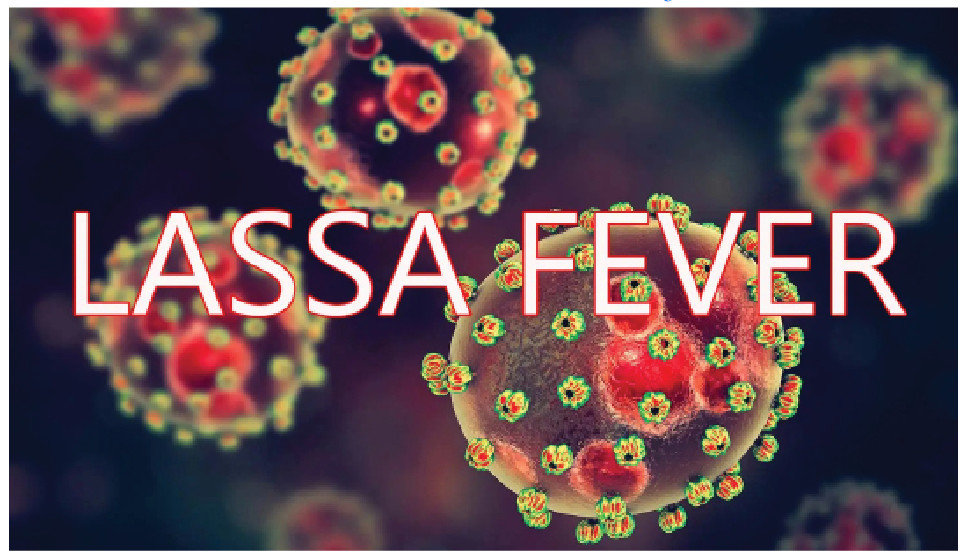
Médecins Sans Frontières/Doctors Without Borders (MSF) has revealed that 311 people tested positive for Lassa fever in Bauchi State between October 1, 2025 and March 23, 2026, with 68 deaths recorded.
MSF said it has been working closely with the Federal Ministry of Health in Bauchi since 2022, providing free treatment at the Lassa Fever Treatment Centre. The services include laboratory diagnosis, antiviral medication and mental health support for patients.
MSF teams are also actively engaged in communities in Bauchi, Kirfi, Toro, and Tafawa Balewa local government areas. Their efforts focus on early detection of suspected cases, prompt isolation, and safe referral of patients.
In a statement issued by MSF field communication officer, Abdulkareem Yakubu, the organisation said it also strengthens healthcare capacity by training medical staff and improving infection prevention and control measures. Community outreach teams are working to combat misinformation and fear surrounding the disease.
Dr. Ayokunnu Raji, MSF’s Emergency Medical Programme Manager, said “Lassa fever is a disease that essentially disguises itself. Early symptoms often resemble common illnesses like malaria or typhoid, meaning many patients arrive at the treatment centre when they are already critically ill.”
One such patient, Musa, initially believed he had malaria after experiencing headaches and stomach pain. He was treated at a private clinic but discharged without improvement.
His condition worsened until an MSF outreach team visiting his community referred him to the Lassa Fever Treatment Centre at Abubakar Tafawa Balewa University Teaching Hospital (ATBUTH), where he was diagnosed with Lassa fever.
After 29 days of treatment, Musa recovered and now supports awareness efforts in his community, encouraging early medical intervention.
The statement added that Lassa fever is a viral haemorrhagic disease caused by the Lassa virus and primarily spread through contact with food or household items contaminated by infected rodents. Human-to-human transmission can also occur through contact with bodily fluids or contaminated materials.
While about 80 percent of infected individuals experience mild or no symptoms, severe cases can result in bleeding, organ failure, and death.
MSF stressed that early diagnosis and treatment are critical to survival, alongside preventive measures such as proper hygiene, safe food handling, and avoiding contact with rodents.
The organisation also highlighted the severity of the 2026 outbreak nationwide. Since January, Nigeria has recorded 516 cases and 135 deaths, representing a 31 percent increase in fatalities compared to the same period in 2025.
“Health workers, too, have suffered an immense toll. Lassa fever, like other haemorrhagic fevers such as Ebola, is a particularly risky disease for health staff to treat. When caring for suspected or confirmed patients, healthcare staff must wear full personal protective equipment – including gloves, masks, eye protection and gowns – to avoid becoming infected,” the statement added.
MSF is currently responding to outbreaks in Bauchi, Benue, Kano, Taraba, Sokoto, and Zamfara states.
The organisation expressed concern over persistent stigma and misconceptions about Lassa fever, which often lead to the isolation of affected individuals.
We’ve got the edge. Get real-time reports, breaking scoops, and exclusive angles delivered straight to your phone. Don’t settle for stale news. Join LEADERSHIP NEWS on WhatsApp for 24/7 updates →
Join Our WhatsApp Channel