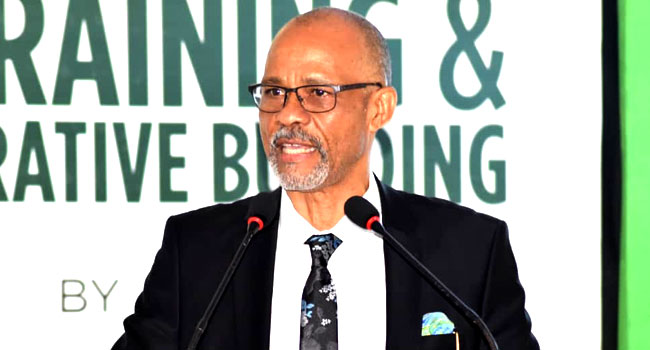
Lagos State commissioner for Health, Prof. Akin Abayomi, has revealed that nearly 66 per cent of tuberculosis cases in Nigeria remain undiagnosed each year, fuelling persistent transmission across communities.
The commissioner revealed that the state alone accounts for nine per cent of the country’s tuberculosis burden, with only 3,565 of an estimated 6,038 cases detected in the second quarter of 2025.
He warned that the detection gap continues to drive infections, leaving thousands untreated and spreading the disease further.
Speaking at an event themed “Scaling Digital Health Innovations in Lagos – Leveraging Proven Private Sector Frameworks for National Health Security” and tagged “Malaria & Tuberculosis: A Dual Disease Elimination Agenda for Lagos State”.
Abayomi described the event as both “the culmination of a transformative chapter and the deliberate commencement of a more ambitious phase in our health systems reform agenda.”
To close the gap, Abayomi announced deployment of the PlusLife MiniDock, a portable non-sputum molecular diagnostic platform, through the existing digitally enabled provider network. “Rather than constructing a parallel system, we will leverage our established infrastructure to decentralise precise TB diagnostics into communities,” he said.
He further outlined broader reforms, including infrastructure upgrades, domestication of the National Health Insurance Authority Act, establishment of a new University of Medicine and Health Sciences, and expansion of a public health information platform to digitise the entire ecosystem.
“Data is critical for informed decision-making, policy development and resource allocation,” he emphasised.
Presenting a detailed scientific overview of the Lagos Malaria Pre-Elimination and Digitisation Project, Abayomi explained that two core indicators – malaria prevalence and malaria test positivity – now guide policy decisions in the state.
While community surveys showed prevalence dropping from 15 per cent in 2010 to 2.6 per cent by 2022, facilities were still reporting high malaria cases, creating what he termed the “malaria paradox” of low community transmission but high clinical diagnosis.
To resolve the discrepancy, he said Lagos expanded surveillance into the private sector, where over 60 per cent of residents seek care.
“More than 500 facilities tested over 77,000 fever cases in 2025 using validated rapid diagnostic tests with about 98 per cent sensitivity. Once testing became mandatory before treatment, malaria positivity fell below one per cent in March 2025 and remained between four and five per cent in peak months, confirming that approximately 95 per cent of fever cases in Lagos are not malaria,’’.
Abayomi disclosed that through a partnership with Maisha Meds, Lagos transformed 514 community pharmacies and patent medicine vendors into digitised nodes within a coordinated network, enabling over 80,000 diagnostic tests and revealing a malaria positivity rate of just five per cent. “This affirms Lagos State’s status as a low-transmission setting,” he said.
The Professor explained that the initiative created a digital referral pathway for the 95 per cent of fever cases that were not malaria and integrated services into the LASHMA-managed care package to anchor sustainability within the state’s financing framework.
We’ve got the edge. Get real-time reports, breaking scoops, and exclusive angles delivered straight to your phone. Don’t settle for stale news. Join LEADERSHIP NEWS on WhatsApp for 24/7 updates →
Join Our WhatsApp Channel