In exploring the dynamic landscape of global funding, grants, and impact investing, a comprehensive view emerges that emphasizes the critical need for collaboration and innovative approaches. The traditional models of grants and the increasingly emerging trends in impact investing are key players in addressing social and environmental challenges, aligning with the values and beliefs of investors seeking meaningful impact alongside financial returns.
Historically, developing countries, especially in Africa, have relied heavily on foreign aid from developed nations. Such aid, encompassing financial, economic, military, or emergency humanitarian support, was often channeled through multilateral and bilateral institutions, foundations, etc. However, with the global economy contracting and international conflicts escalating, major donor countries have begun reducing aid to developing nations and instead emphasizing impact investing.
Data from the Organization for Economic Co-operation and Development’s Development Assistance Committee (OECD-DCA), an international forum of many of the largest providers of global aid, shows that in the last 60 years, global aid has grown from US$38 billion in 1960 to US$210.7 billion in 2022. However, the DCA maintains that the financing needed to solve global problems is even greater. For example, low-income and lower-middle-income countries require an estimated $1.4 trillion to $3 trillion annually to achieve the UN‘s Sustainable Development Goals (SDGs).
Meanwhile, the Grants Office, a provider of grant resources for public and private sector organizations, estimates that grant funding of $21 trillion is available globally through 2023 -2025. Yet, according to the DCA, the portion of this available to Africa is at its lowest point in over two decades: US$53.5 billion in 2022 or 25.6% of global aid.
In Nigeria, the development and impact investing landscapes are pretty complex and dynamic, supported by various funding sources, including government budget, multilateral and bilateral aid, non-governmental organizations, private sector investment, sovereign wealth fund, diaspora remittances, philanthropy, donors, grantmakers, capital markets, and microfinance and SME Funding.
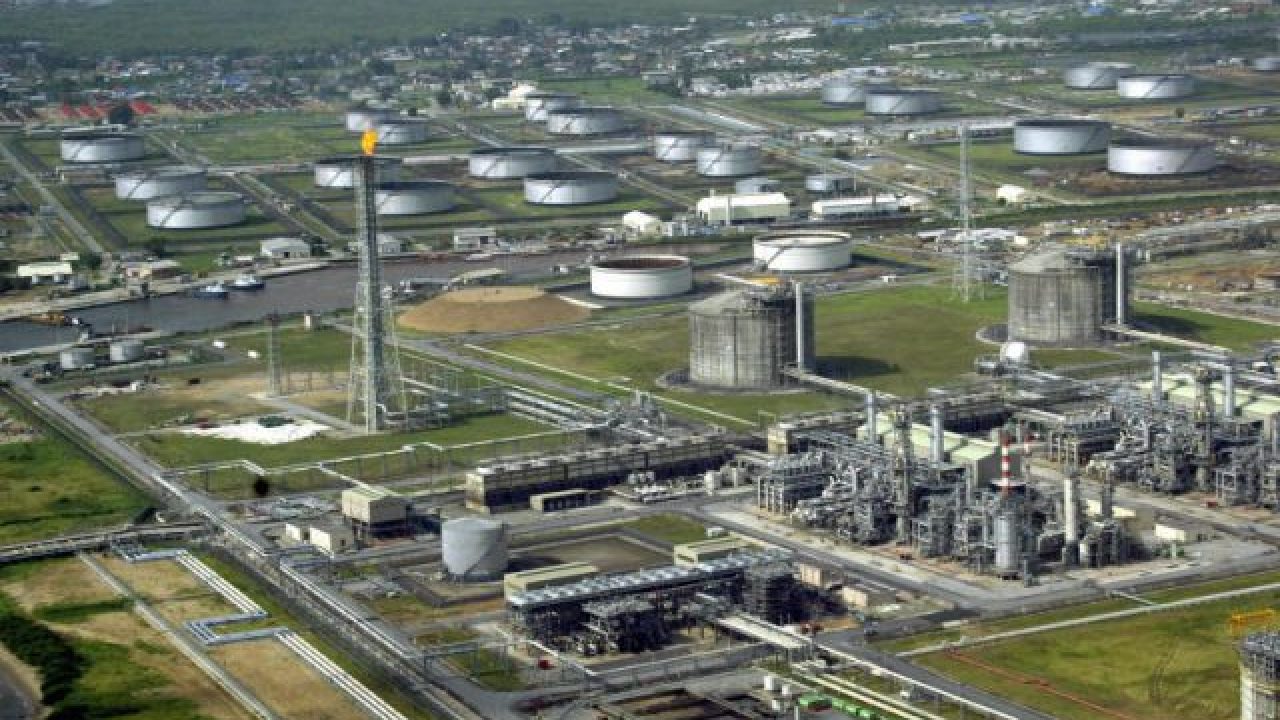
In the ever-evolving landscape of development assistance, Nigeria’s Niger Delta region remains a focal point, grappling with both immense challenges and untapped potential. The region has long been the epicenter of Nigeria‘s oil and gas production, agriculture, and services, contributing significantly to the nation‘s revenue. However, the benefits of this wealth have yet to be equally distributed among the region‘s inhabitants. A lack of infrastructure and social inequalities have persisted, fostering a cycle of poverty that has been difficult to break. In response to these challenges, local and international donors and agencies have stepped in to support development initiatives in the region. While their intentions are commendable, the landscape is not without its complexities and concerns and has often limited their effectiveness.
Therefore, efforts to improve the funding landscape in Nigeria and the Niger Delta, in particular, would require reforms to enhance transparency and accountability and also attract private-sector investments. Some would argue that the issue is more about improving coordination, execution, integration, and collaboration.
Indeed, the call for collaboration echoes loudly. The conversation around partnership rather than dependence is also gaining momentum. African nations, including Nigeria, position themselves as partners seeking mutually beneficial collaborations. While the donor community often successfully coordinates its efforts, local initiatives tend to operate in silos, with the efficacy of some, especially with public sector roots, often questioned. At the international level, the past years have witnessed a shifting tide in donor priorities, with a noticeable redirection of funds towards the northern regions of Nigeria.
Although international partners lead the way in aid and development work, there is a growing recognition of the importance of local ownership and involvement. This paradigm shift necessitates innovative thinking and smart approaches to harness local and foreign impact investments for sustainable development, which have increased in investment and asset class.
There is a need to integrate donor funding and impact investing capital in the Niger Delta region. Institutions with proven models and sustainable concepts should be at the forefront, driving integration to avoid duplications and foster efforts that stand the test of time. By addressing issues of funding consistency, coordination, accountability, and prioritizing long-term capacity-building, we can collectively contribute to a brighter and more prosperous future for the Niger Delta and, by extension, Nigeria as a whole.
– Idowu writes from Abuja
We’ve got the edge. Get real-time reports, breaking scoops, and exclusive angles delivered straight to your phone. Don’t settle for stale news. Join LEADERSHIP NEWS on WhatsApp for 24/7 updates →
Join Our WhatsApp Channel