A secure environment is essential for political, economic, and social activities to flourish in every society. It enables the government to formulate policies that can stimulate economic growth, provide basic amenities for the citizens, and build essential infrastructure that can drive national Gross Domestic Product (GDP) growth.
Businesses and investors (local and foreign) are more likely to invest in an economy where their operations, assets, and operations are protected from crimes such as theft and vandalism, terrorism, and other security threats.
Reasons include the fact that an effective and efficient security system will reduce the cost burden on the government and businesses, allowing for more funds to be directed toward product research, development projects, and economic growth initiatives.
With the rising global security threats occasioned in part by the advancement in technology and increasing activities of terrorists and other non-state actors, defense and security receive huge votes in annual government budgets in many countries, including Nigeria.
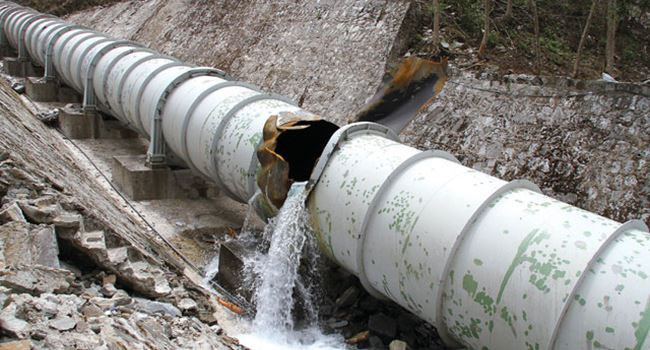
In Nigeria, the protection of essential physical and virtual Critical National Assets and Infrastructure (CNAI) consisting of systems, assets, and networks are prioritized by the federal, state, and local governments because they have direct and indirect impact on our daily lives. These include roads, airports, seaports, railways, electricity grids, transformers, transmission cables, oil and gas pipelines, water supply facilities, schools, hospitals, government buildings, courts, national defense and security institutions, custodial facilities, and international travel passports, among others.
Equally pivotal for Nigeria’s security and socio-economic growth is the essential physical and virtual telecommunication infrastructure that drives our nation’s functioning communication, security, and general well-being of Nigerians and foreigners resident in the country. The physical infrastructure includes telecom towers, fiber optic cables, and power generators at cell sites. The virtual infrastructure such as digital networks, information systems, and data repositories underpin crucial operations such as telecommunications, financial transactions, emergency response coordination, and national defense, and internal security.
Theft, vandalism, and destruction of telecom’s physical and virtual assets ranked among the nagging challenges faced by telecom operators and infrastructure companies in Nigeria. With Information and Communication Technology (ICT), of which telecom is a significant driver, contributing 16.66% to Nigeria’s real GDP in Q4 2023 according to the National Bureau of Statistics (NBS), the protection of telecom infrastructure and assets cannot be overemphasized.
Telecom infrastructure is integral to national security by supporting communication for defense operations and intelligence activities, financial institutions, healthcare, education, aviation, commerce, and many other sectors that rely heavily on telecommunications for their daily operations. Disruptions in telecom operations can lead to significant economic losses, affecting productivity and growth. Ensuring the security and protection of telecom infrastructure helps prevent espionage, cyber-attacks, and other security threats that can undermine national security and economic stability.
Telecom infrastructure provides the backbone for emerging technologies like IoT, AI, and 5G, which drive economic development by creating new opportunities for individuals, businesses, and countries. Critical services such as national security and intelligence, law enforcement, emergency response, healthcare, education, and financial transactions, among others, depend on reliable telecommunications. Therefore, protecting telecom infrastructure like other critical national assets and infrastructure will ensure these services are made available without disruptions and the economy will be the best beneficiary if this can happen.
In Nigeria, good gestures that can enable the security agency to scale up effectiveness and efficiency in its operations by leveraging technology to adequately tackle insecurity challenges and threats in the country should be commended. Recently, IHS Towers, one of the largest independent owners, operators, and developers of shared communications infrastructure in the world by tower count, took a bold step by donating ICT equipment to NSCDC during a visit to the agency’s headquarters in Abuja. I believe such an act is commendable.
– Ojedokun, a brand strategist and development expert writes from Lagos
We’ve got the edge. Get real-time reports, breaking scoops, and exclusive angles delivered straight to your phone. Don’t settle for stale news. Join LEADERSHIP NEWS on WhatsApp for 24/7 updates →
Join Our WhatsApp Channel