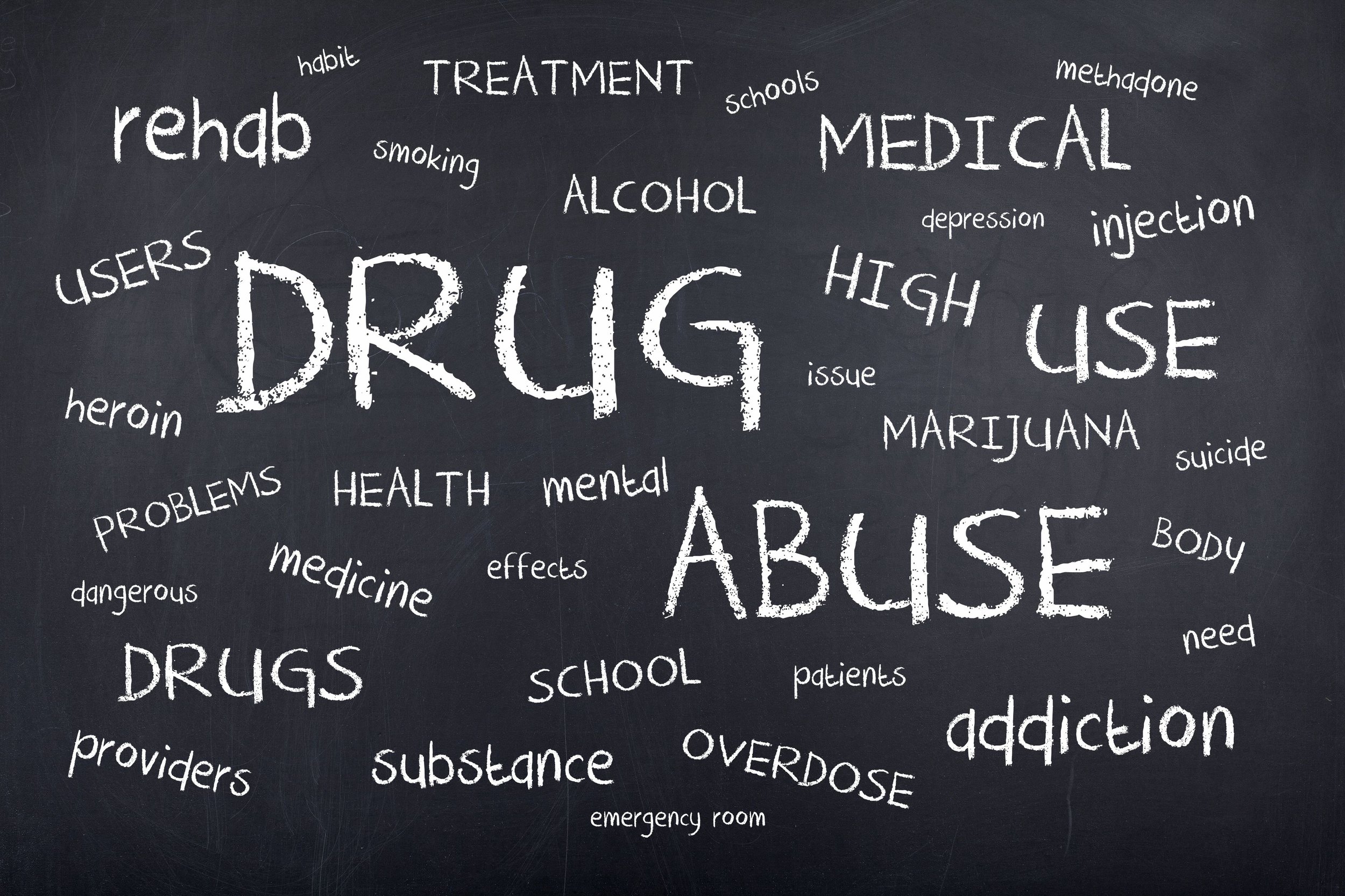
The International Day against Drug Abuse and Illicit Trafficking, or World Drug Day, is commemorated every year on June 26 and aims to increase action in achieving a drug-free world.
The theme for this year, “The evidence is clear: invest in prevention,” could not be more pertinent to our nation’s struggle against substance abuse and illicit trafficking.
The alarming statistics paint a grim picture: 14.3 million Nigerians between the ages of 15 and 64 grapple with drug abuse. This is not merely a number; it represents shattered dreams, broken families, and a looming threat to the nation’s future.
Sadly, in our view, Nigeria has transitioned from being a transit country for drug trafficking to becoming a major consumer and even producer of illicit substances. This shift signals a deepening crisis that demands immediate and decisive action.
Perhaps, of utmost concern is the increasing involvement of women in drug use. Women’s traditional roles as caregivers, role models, and shapers of young minds are under threat. As more women fall prey to substance abuse, we must ask ourselves: what kind of future are we building for our children?
The health implications of this epidemic are equally alarming. Drug addiction is not just a social issue; it’s a public health crisis. From lung and heart diseases to mental health conditions and the spread of infectious diseases, the toll on our healthcare system and society at large is immense.
It is gratifying to note that the National Drug Law Enforcement Agency (NDLEA) has made significant strides in its fight against drug trafficking and abuse. Over the past three years, the agency has arrested 52,901 individuals involved in drug-related crimes, including 48 high-profile drug barons. With over 9,000 convictions and a conviction rate exceeding 70 per cent, the NDLEA is sending a clear message that drug-related offences will not be tolerated.
The seizure of more than 7.6 million kilograms of various illicit substances and the destruction of 1,057 hectares of cannabis farms demonstrate the agency’s commitment to supply reduction.
These efforts are crucial in stemming the tide of drug availability and access, not just for individual users but also for insurgents, terrorists, and other criminals who rely on drugs to fuel their nefarious activities.
But enforcement alone is not enough. The NDLEA’s balanced approach, focusing on supply and demand reduction, is commendable. The counselling, treatment, and rehabilitation of over 33,453 individuals in 30 rehabilitation centres nationwide showcase a commitment to addressing the human aspect of this crisis.
President Bola Tinubu’s support for the NDLEA and his emphasis on prevention as the most potent weapon in this fight are encouraging. The recognition that prevention saves lives and resources that would otherwise be spent on treatment and rehabilitation is a step in the right direction. In our opinion, it is a pragmatic approach that aligns with global best practices in combating drug abuse.
Another positive development is the establishment of the interministerial War Against Drug Abuse (WADA) committee. Nigeria is adopting a holistic approach to tackling this multifaceted challenge by bringing together relevant ministries, departments, and agencies. This collaborative effort has the potential to mobilise resources, share best practices, and create a unified front against the menace.
However, while we applaud these efforts, we must also acknowledge that there is still much work to be done. This year’s World Drug Day theme serves as a clarion call for increased investment in prevention strategies.
We must move beyond reactive measures and focus on proactive approaches that address the root causes of drug abuse. Investing in prevention means allocating resources to evidence-based programs that educate our youth about the dangers of drug use. It means creating opportunities for meaningful engagement and personal development that can steer young people away from substance abuse. It also means addressing the socio-economic factors that often drive individuals towards drugs as an escape from their harsh realities.
Moreover, we must recognise that prevention is not just the responsibility of law enforcement agencies or the government. It requires a collective effort from all sectors of society. Parents, educators, religious leaders, community organisations, and the media all have crucial roles to play in shaping attitudes and behaviours towards drug use.
The NDLEA’s plans for an Alternative Development Programme, aimed at persuading cannabis farmers to switch to cash crops, is an innovative approach that deserves support. By providing incentives and alternatives, we can address drug production’s economic drivers while reducing supply.
We must avoid stigmatising drug users and instead focus on providing support, treatment, and pathways to recovery. Our approach should be compassionate yet firm, recognising the complexities of addiction while maintaining a zero-tolerance stance on drug trafficking and distribution.
Let this World Drug Day serve as a renewed commitment to intensifying our prevention efforts. By doing so, we can turn the tide against drug abuse and create a brighter, drug-free future for Nigeria.
We’ve got the edge. Get real-time reports, breaking scoops, and exclusive angles delivered straight to your phone. Don’t settle for stale news. Join LEADERSHIP NEWS on WhatsApp for 24/7 updates →
Join Our WhatsApp Channel