The Nigerian media industry faces harsh economic realities, with media owners struggling to cope with the high costs of newsprint, ink, broadcast equipment, and other production materials.
The industry’s situation in the current harsh economy is pathetic. Operators struggle to survive in an environment where inflation, fluctuating exchange rates, collapsing infrastructure, and soaring production costs eat away at their lifeblood.
This deplorable state of affairs worsens by the day due to the foreign exchange crisis, which is traceable to the fluctuating value of the national currency, the Naira, and the high cost of energy. The media industry in Nigeria has been one of the most vibrant and dynamic sectors of the economy. Still, the current economic climate has made it difficult for media owners to keep up with the high costs of running a media outlet.
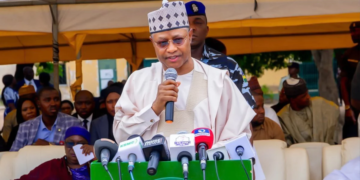
This topic dominated discussions at the recent three-day All Nigeria Editors Conference (ANEC) in Yenagoa, Bayelsa State, where media owners and the Nigerian Guild of Editors (NGE) sought urgent government intervention to mitigate the negative impact of fuel subsidy removal and the volatile exchange rate.
Noting the economic constraints and rising operational costs, they also urged the federal government to consider subsidies or tax relief to help media houses cope with the current challenges.
A communique signed by the NGE President, Eze Anaba, and the General Secretary, Dr Iyobosa Uwugiaren, stated that while the Guild recognises the potential long-term benefits of the federal government’s reforms, the immediate economic strain on all sectors, especially the media, is becoming unbearable and unhelpful to economic growth and media sustainability and viability.
The Guild also urged the federal government to create a media-friendly environment by reviewing policies that affect operational costs and considering tariff reductions on essential media equipment.
One of the identifiable challenges facing the Nigerian media industry is the high cost of newsprint.
Newsprint is the primary material used in producing newspapers, and its price has steadily increased. One tonne of newsprint currently costs N2 million. This price increase has been attributed to the rising cost of paper pulp; the raw material used in newsprint production. The high cost of newsprint has put a significant strain on the finances of media outlets, many of which have been forced to reduce the number of pages in their newspapers or increase the cover price to make up for the increased cost.
Ink is another important material used in the production of newspapers, and its cost has also been on the rise. The high cost of ink has been attributed to the rising cost of raw materials used in its production, such as pigments and solvents. The increase in the price of ink has added to the financial burden media outlets face, as they have to spend more to produce the same number of copies of their newspapers.
Broadcast equipment is also a significant expense for media outlets, especially those that operate television and radio stations. The high cost has made it difficult for media owners to invest in modern equipment to produce high-quality content.
The foreign exchange crisis caused by the floating Naira and fuel subsidy removal has further compounded the Nigerian media industry’s challenges. The devaluation of the Naira has made it more expensive for media outlets to import newsprint, ink, and broadcast equipment, as they have to spend more Naira to purchase the same amount of foreign currency. The removal of fuel subsidies has also led to an increase in the cost of transportation, which has further increased the cost of production for media outlets.
The Nigerian media industry faces harsh economic realities, making it difficult for media owners to keep up with the high costs of running a media outlet. The high cost of newsprint, ink, and broadcast equipment, coupled with the foreign exchange crisis caused by the floating of Naira and fuel subsidy removal, has made it challenging for media outlets to produce high-quality content.
The government needs to take proactive steps to address these challenges, such as providing incentives for local production of newsprint and ink and providing access to low-interest loans to media outlets to invest in modern broadcast equipment. Only then can the Nigerian media industry overcome the current economic challenges and continue to be a vibrant and dynamic sector of the economy.
The media has a constitutional role in governance, holding the government accountable in line with Section 24 of the Constitution. Still, the Fourth Estate cannot continue to do so if it struggles to survive. Given the media’s uniqueness in nation-building, it will not be in the nation’s interest for the government to allow the current slide in the media to continue.
In our opinion, such a development would impede the roles of the media which include to inform, educate and entertain.
We’ve got the edge. Get real-time reports, breaking scoops, and exclusive angles delivered straight to your phone. Don’t settle for stale news. Join LEADERSHIP NEWS on WhatsApp for 24/7 updates →
Join Our WhatsApp Channel