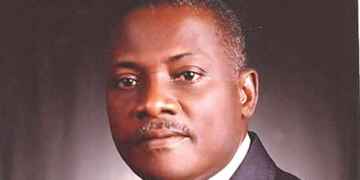
Ahmed Yakasai, the founder and CEO of Pharmaplus Nigeria Limited, is a celebrated leader in the Nigerian pharmaceutical sector, dedicating his career to addressing the critical issues facing drug production and public health in Nigeria.
His latest book, “The Pharmaceutical Industry and Drug Production in Nigeria”, stands as a testament to his commitment. In it, Yakasai examines the evolution, challenges, and opportunities within the industry while advocating for transformative measures to improve drug manufacturing, reduce dependency on imports, and enhance healthcare delivery in Nigeria.
Yakasai’s book provides an in-depth exploration of the pharmaceutical industry’s growth in Nigeria, tracing its roots from the colonial era to the present day. He identifies key milestones, including the establishment of indigenous pharmaceutical companies and their contributions to national healthcare. Through this historical analysis, Yakasai paints a vivid picture of an industry with immense potential but hampered by systemic challenges.
The author highlights the shift from heavy reliance on imported drugs to a focus on local manufacturing as a pivotal goal. Nigeria’s dependency on imported pharmaceuticals has long been a vulnerability, making the nation susceptible to inflated costs, supply chain disruptions, and quality assurance issues. Yakasai argues that building a robust local drug production ecosystem is vital for ensuring access to affordable, high-quality medicines.
Yakasai emphasises the importance of establishing a strong local manufacturing base. He views this as essential not only for improving access to essential medicines but also for bolstering the economy and creating jobs. However, he acknowledges significant obstacles, including high production costs, inadequate infrastructure, and inconsistent government policies. Yakasai proposes policy reforms, government incentives, and public-private partnerships as solutions to foster growth in local manufacturing.
Regulatory inefficiencies have long plagued Nigeria’s pharmaceutical industry. In his book, Yakasai provides a critical assessment of the role of bodies like the National Agency for Food and Drug Administration and Control (NAFDAC). While commending improvements in quality control and counterfeit drug prevention, he calls for stronger enforcement mechanisms and streamlined regulations to enhance drug safety and efficacy.
Yakasai connects the pharmaceutical industry’s performance to Nigeria’s broader public health outcomes. He highlights the role of local drug production in combating major health challenges, including malaria, tuberculosis, and HIV/AIDS. By reducing reliance on costly imports, Yakasai envisions a future where affordable, locally produced medicines improve public health indices across the nation.
Recognising the interconnectedness of today’s pharmaceutical markets, Yakasai advocates Nigeria to position itself as a regional leader. He explores how the country can leverage trade agreements and regional partnerships to expand the footprint of Nigerian pharmaceutical companies within West Africa and beyond. Learning from success stories in India, Malaysia, and Indonesia, Yakasai underscores the importance of adopting global best practices while tailoring them to Nigeria’s unique context.
Career And Education
Ahmed I. Yakasai’s career spans decades of impactful contributions to the pharmaceutical sector. Born in Kano in 1960, he graduated with a degree in pharmacy from Ahmadu Bello University and pursued further studies at prestigious institutions worldwide. His extensive professional journey includes roles as a government official, academic, and business leader.
Key achievements include co-founding Taobat Pharma Industries Ltd in 1993 and serving as the pioneer Chairman of Evans Baroque Ltd. As President of the Pharmaceutical Society of Nigeria (PSN) from 2018 to 2021, Yakasai represented over 30,000 pharmacists, advocating for policies to strengthen the industry. His advisory roles with organizations like the Nigeria Sovereign Investment Authority (NSIA) and the Pharma Consultative Group further underscore his influence in shaping national strategies for pharmaceutical development.
Yakasai’s book also delves into specific initiatives and proposals for transforming the industry. Notably, he worked with the Pharmaceutical Manufacturers Group of the Manufacturers Association of Nigeria (PMGMAN) and NAFDAC to develop a prohibition list targeting about 32 imported products. This initiative aims to create a market for local manufacturers by limiting the importation of items that can be produced domestically.
His pragmatic approach extends to advocating for local production of excipients and fostering partnerships to address gaps in the supply chain. Yakasai’s recommendations reflect a deep understanding of the systemic challenges facing Nigeria, including ethical concerns and bureaucratic inertia, which often impede policy implementation.
While Yakasai’s book is lauded for its comprehensive research and balanced perspective, he acknowledges that addressing Nigeria’s pharmaceutical challenges requires sustained effort and collaboration. He calls on stakeholders, including government officials, industry leaders, and international partners, to adopt homegrown solutions tailored to Nigeria’s socio-economic realities.
Yakasai’s vision for Nigeria’s pharmaceutical industry is both ambitious and achievable. Through The Pharmaceutical Industry and Drug Production in Nigeria, he provides a roadmap for transforming the sector into a pillar of the nation’s healthcare system. His focus on local manufacturing, regulatory reform, and global integration offers actionable insights for creating a self-reliant pharmaceutical industry that meets the health needs of Nigerians while driving economic growth.
In a country where healthcare challenges are vast, Yakasai’s work serves as a clarion call to prioritize drug security and public health. His efforts, both as an author and industry leader, underscore the critical role of the pharmaceutical sector in building a healthier, more resilient Nigeria.
We’ve got the edge. Get real-time reports, breaking scoops, and exclusive angles delivered straight to your phone. Don’t settle for stale news. Join LEADERSHIP NEWS on WhatsApp for 24/7 updates →
Join Our WhatsApp Channel