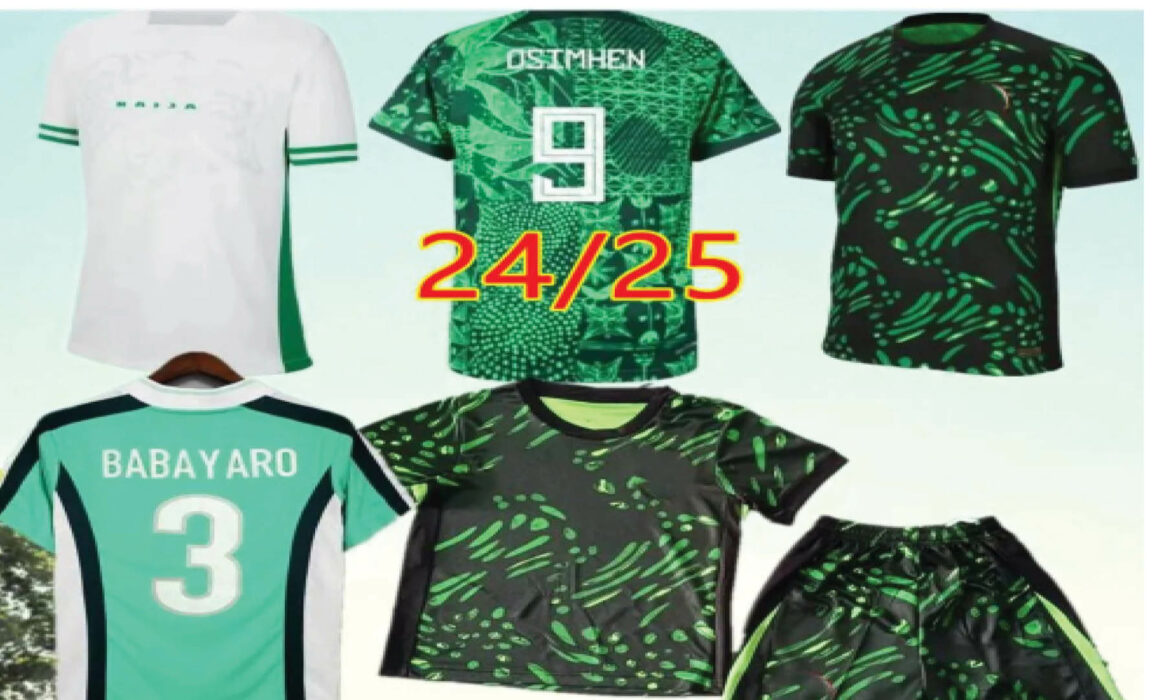
Nigeria’s growing sports culture is creating new money-making opportunities for entrepreneurs, as rising demand for locally produced sports kits opens a multi-billion-naira market.
From football clubs to schools and fitness enthusiasts, Nigerians are buying more sportswear than ever before. Yet, most of these jerseys and tracksuits are imported, costing the nation billions in foreign exchange annually.
Analysts said, this dependency offers a golden opportunity for local businesses to produce, brand, and export homegrown alternatives.
According to Sports Business Nigeria, the domestic sports apparel market is valued at over N150 billion a year, with football alone accounting for nearly 60 per cent of total demand.
“The potential is enormous.Every school, every local club needs kits, and Nigerians now want locally made designs that reflect their identity. We can produce them faster and cheaper than imports,” said the chief executive of Sports Base, a Lagos-based printer, Seun Ogundipe.
Ogundipe said, his firm supplies grassroots clubs and school teams, cutting costs by up to 40 per cent compared to imported kits. We’re not just making jerseys; we’re building a value chain, from fabric supply to embroidery and printing, he added.
Industry experts say that, if Nigerian manufacturers scale up, the country could become a regional hub for sportswear production, serving West African markets and earning foreign exchange.
A sports economist, Dr. Patrick Nkwo, said local entrepreneurs can tap into the cultural appeal of “Naija” branding. “Nigerian designs already have a global following. With the right textile quality and e-commerce push, we can export sports kits across Africa and to our diaspora,” he said.
In cities like Lagos, Aba, and Kano, new sportswear startups are already emerging. Labels such as NaijaFit, TruActive, and Eleven Eleven blend athletic design with African prints, targeting young consumers seeking identity-driven fashion.
A sports commentator, Charles Adegoke, believes this shift can strengthen Nigeria’s sports economy. “If we make our own kits, we keep jobs and money in the country,” he said. “It’s time government agencies and state teams start wearing Nigerian brands,” Adegoke added..
Industry watchers also note that online platforms are transforming access to the sportswear business. With tools like Instagram, WhatsApp, and Jumia storefronts, small designers are reaching fans directly, avoiding traditional retail costs.
A sports influencer who sells custom jerseys online, Segun Odulaja, the opportunities are real. According to him, “You can start small with branding and resale. During major tournaments, orders surge, and profit margins are strong if you manage supply well.”
Beyond fashion, the potential economic impact is significant. Analysts project that expanding local production of sports kits could generate thousands of jobs across textile, logistics, and digital marketing sectors. It could also help Nigeria conserve foreign exchange, a crucial benefit amid persistent pressure on the naira.
Government support, through local procurement policies and SME funding, could further stimulate the sector. “We need policies that prioritise local producers for school sports, youth tournaments, and national events,” said Ogundipe. “That’s how we build industrial capacity.”
As Nigeria diversifies its economy, stakeholders say sportswear offers a promising entry point, a fusion of culture, enterprise, and global demand.
We’ve got the edge. Get real-time reports, breaking scoops, and exclusive angles delivered straight to your phone. Don’t settle for stale news. Join LEADERSHIP NEWS on WhatsApp for 24/7 updates →
Join Our WhatsApp Channel