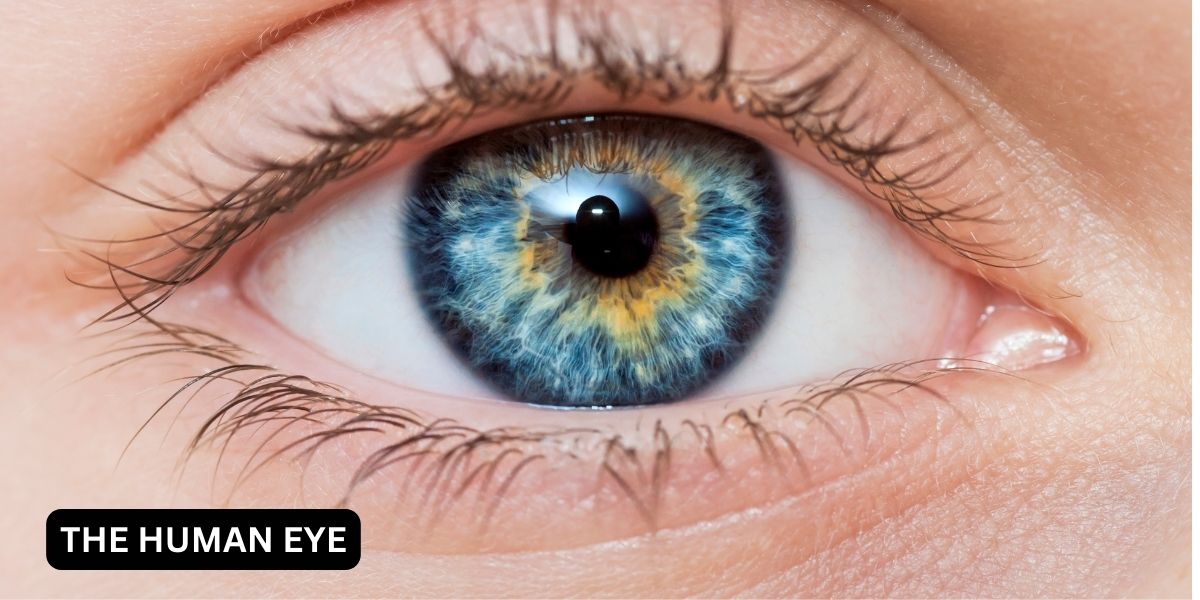
Experts and health/wellness advocates have rallied support on the need to tackle the scourge of thyroid eye disease.
Nigerian medical journalist, Oladimeji Ewumi, stated that while thyroid-related illnesses remain common across Africa, thyroid eye disease (TED) continues to slip under the radar in many clinics.
He noted that part of the challenge was occasioned by inadequate medical specialists and overstretched primary health care systems in many African countries.
Across Nigeria, general practitioners often serve as the primary and sometimes only point of contact for medical care. This places them in a crucial position to identify TED early enough to prevent irreversible damage to the eye.
However, with scarce training, few region-specific guidelines, and symptoms that often mimic common eye problems, many physicians were left to make educated guesses.
“While the illness is closely linked to Graves’ disease, it can appear before, during, or after a thyroid diagnosis — making it easy for both patients and physicians to miss. With limited medical specialists and overstretched primary care systems in many African countries, early detection often depends heavily on the first doctor a patient meets,” Ewumi said.
A new deep-dive report by Oladimeji Ewumi, titled “The Primary Care Physician and TED” published on MedCentral as part of the platform’s Interdisciplinary Approaches in Thyroid Eye Disease Care series, highlights exactly why the primary care physician’s role is central — and why health systems across the world, including Africa, must begin updating their approach to TED care.
Drawing on insights from top U.S. endocrinologists and ophthalmologists, Ewumi breaks down the most critical signs, diagnostic challenges, and referral steps that primary care physicians should be aware of. This work is one of the very few recent resources that specifically explains TED to general practitioners — an aspect experts say is critically lacking worldwide, not just in Africa.
“Thyroid eye disease, sometimes called Graves’ orbitopathy, can behave unpredictably. Symptoms can range from mild irritation to severe, sight-threatening complications. Many patients experience common issues like eye pain, dry eyes, redness, swelling in the eyes, but these symptoms get easily confused with dry eye syndrome, or eye strain — conditions that are widespread across Nigeria,” Dr. Benjamin Ekwe, a Lagos-based ophthalmologist, said in an interview.
Dr. Sarah Nadeem, an assistant professor at Baylor College of Medicine in the U.S., explained that primary care doctors should pay closer attention to these symptoms, especially in patients with known thyroid issues. Another endocrinologist, Dr. Peggy Nana Amoakohene, based in Virginia, warned that normal thyroid hormone levels do not rule out TED, and cases can still occur even when thyroid tests appear normal.
Risk factors that Nigerian physicians must pay attention to include smoking, age over 50, diabetes, unstable thyroid levels, male sex, and a strong family history of autoimmune disease. Because up to 50% of patients with Graves’ disease develop TED, therefore, the window for early action is small but important.
According to Ewumi’s reporting, the experts agree on one thing: Primary care physicians (PCPs) must maintain a high index of suspicion. This is even more important in countries like Nigeria, where access to endocrinologists and ophthalmologists is limited. Key recommendations for Nigerian doctors include asking more questions about eye symptoms, checking for TED symptoms, and starting symptomatic care.
“Although global guidelines tend to focus on endocrinologists and ophthalmologists, primary care doctors remain a vital part of the multidisciplinary team. In Africa, where specialists are scarce, this role becomes even more indispensable,” Ewumi said.
Ewumi’s report highlights the European Group on Graves’ Orbitopathy (EUGOGO) recommendation that all but the mildest TED cases should be referred to a specialist center. An urgent referral is needed if a patient develops blurred vision, double vision, redness or swelling of the eyes, or eye pain. Also, if anyone experiences any of these symptoms, they should speak to the doctor immediately.
Before the patient sees a specialist, such as an ophthalmologist, Dr. Amoakohene recommends that the primary care doctor encourages the patient to stop smoking and start taking an over-the-counter selenium supplement. For better support, Dr. Pamela Hartzband, an associate professor at Harvard Medical School, emphasized that the doctor may initiate medications known as beta-blockers or antithyroid medications when appropriate, pending when the patient sees a specialist,” she said.
Many Nigerian patients live far from specialist centers and wait long periods before seeing the doctor. Ewumi’s feature emphasizes the importance of strengthening referral networks at the local level — for example, establishing direct communication between PCPs and endocrinologists within the same hospital system. Proactive steps like these can significantly reduce delays that worsen patient outcomes.
Experts also call for more medical training opportunities, so PCPs can confidently identify TED early. With Graves’ disease and autoimmune disorders becoming increasingly recognized across the continent, the need is urgent.
As awareness increases, experts hope more African primary care physicians will be empowered to detect TED early, prevent complications, and work more closely with specialists to protect patients’ vision and overall quality of life.
We’ve got the edge. Get real-time reports, breaking scoops, and exclusive angles delivered straight to your phone. Don’t settle for stale news. Join LEADERSHIP NEWS on WhatsApp for 24/7 updates →
Join Our WhatsApp Channel