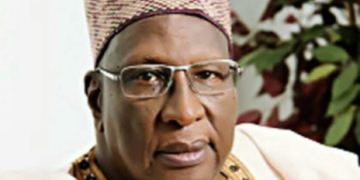
Aviation Analyst, Adeola Fadairo, has called on the federal government to turn behavioural reform into policy, saying behavioural incidents now cost the global industry hundreds of millions of dollars annually.
In an article titled, ‘Nigeria’s Next Aviation Reform: Why Behaviour Must Become National Policy,’ Fadairo, said globally, aviation regulators now treat human behaviour as a safety, security, and economic risk.
According to him, unruly passenger incidents lead to flight delays, diversions, compensation costs, legal exposure, staff burnout, and reputational damage for countries and airlines alike.
“Globally, aviation regulators now treat human behaviour as a safety, security, and economic risk. Unruly passenger incidents lead to flight delays, diversions, compensation costs, legal exposure, staff burnout, and reputational damage for countries and airlines alike. According to international aviation data, behavioural incidents now cost the global industry hundreds of millions of dollars annually.”
“Across Nigeria’s international airports, behavioural friction has become a daily experience. Travellers complain of harsh tones at checkpoints, inconsistent enforcement of rules, solicitation by uniformed personnel, and confusion caused by unclear procedures.
“For many passengers, especially during peak travel periods, the airport is no longer a place of excitement or efficiency, but one of anxiety and emotional strain.”
He, however, explained that uniform personnel must be trained in enforcement, emotional intelligence, communication, and cultural sensitivity.
According to him, behavioural intelligence should be embedded in the national aviation policy.
“The irony is that Nigeria has invested heavily in physical aviation reform. Terminals have been renovated, new facilities commissioned, and airport aesthetics significantly improved.
“But behaviour has not received the same policy attention as infrastructure. Floors may shine, but a single humiliating interaction at a checkpoint can erase the gains of billions spent on upgrades.
“Leadership in aviation today requires recognising that behaviour is infrastructure. It must be governed, trained, monitored, and continuously improved. This is where Nigeria’s next aviation reform must focus. Behavioural intelligence should be embedded into national aviation policy from staff training and passenger education to terminal design and inter-agency coordination.
“Uniformed personnel must be trained not only in enforcement, but in emotional intelligence, communication, and cultural sensitivity. Clear, consistent rules must replace discretionary practices that create confusion and resentment.”
We’ve got the edge. Get real-time reports, breaking scoops, and exclusive angles delivered straight to your phone. Don’t settle for stale news. Join LEADERSHIP NEWS on WhatsApp for 24/7 updates →
Join Our WhatsApp Channel