The most revealing moments in politics are rarely the loudest. Sometimes it’s a sentence tossed into a room full of allies that tells you where the real battle lies. “Give them their money directly” was one of those sentences.
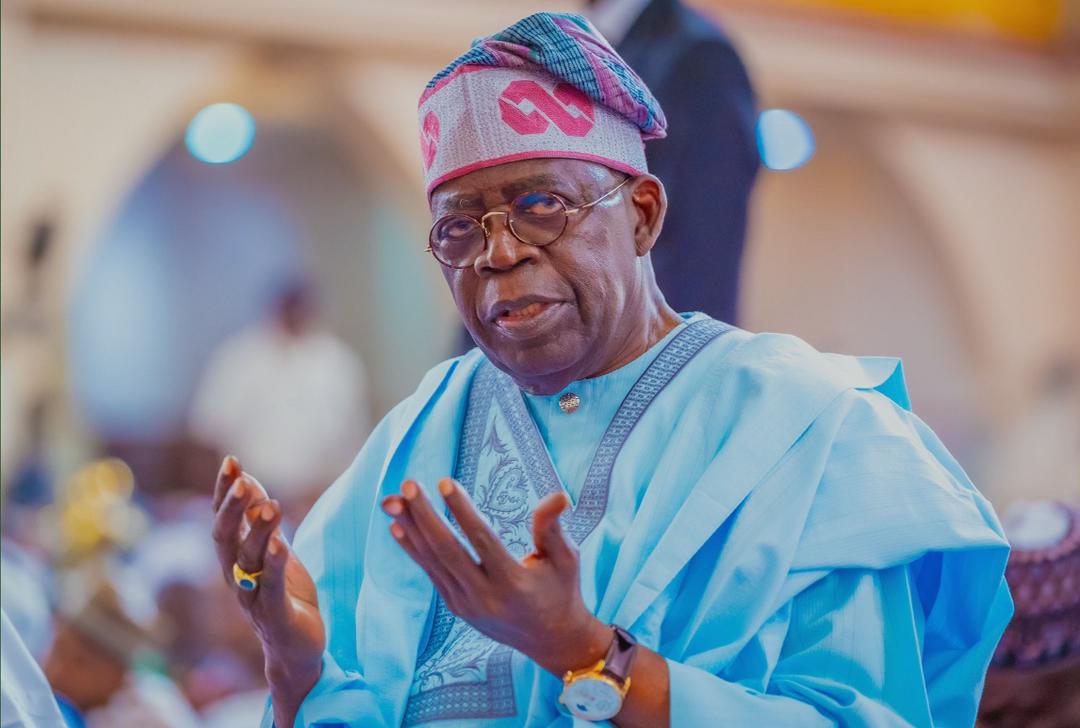
On Thursday, during the All Progressives Congress (APC) caucus meeting, President Bola Tinubu was not in the mood for ceremony. He wasn’t selling slogans. He wasn’t auditioning for applause. He was issuing a warning.
Give local governments their money. Directly.
That line matters more than all the handshakes and group photographs that emerged from the APC caucus and NEC meetings. Strip away the protocol and the flattering speeches and what you’re left with is a President telling governors—most of them from his own party—that the old way is ending. And yes, it was overdue.
For years, we’ve run a strange federation where the tier of government closest to the people exists in name, not function. Chairmen who answer more to governors than to voters. Councils that can’t fix a culvert without clearance from the state capital. Allocations that pass through too many fingers before they reach the grassroots—if they reach there at all.
Everyone knows this. We just pretend otherwise. So when Tinubu said, “There is no autonomy without funded mandate,” he wasn’t breaking new ground. He was stating what Nigerians mutter every day at motor parks and beer parlours. The difference is that this time, the man saying it controls the knife and the yam. His words, not mine.
Now, let’s slow down a bit. Because the applause line—“Give them their money directly”—is the easy part. The hard part is what comes after.
Local government autonomy has become one of those phrases that sound noble until you ask uncomfortable questions. Who runs these councils? How are elections conducted? Who checks abuse when it happens? Because it will happen. I’ve covered local governments long enough to know that corruption does not magically disappear when you move it closer to the village square.
But that doesn’t excuse the current mess. It only means reform must be serious, not cosmetic.
Tinubu seems to get that. His irritation was not with the Supreme Court ruling itself but with half-compliance—the Nigerian specialty. The kind where you obey the letter, kill the spirit, and still issue a press statement congratulating yourself.
The reference point here is the Supreme Court of Nigeria, which has now said, clearly, that councils are entitled to financial autonomy. No negotiation. No creative interpretation. Implementation.
That’s where the tension lies.
Most governors don’t oppose local government autonomy in public. They oppose it in practice. It threatens the quiet power they wield—control of party structures, delegates, elections, and cash flow. Take that away, and politics becomes less predictable. Some would say less convenient. Tinubu is betting that the system survives that shock.
The same logic runs through his push for state police. Another idea that everyone supports in theory and fears in execution. We’ve argued this issue to death. Insecurity has outpaced central control. Abuja cannot police forests in Zamfara or creeks in Bayelsa from a single command structure. It hasn’t worked. It isn’t working. It won’t suddenly start working.
Yet the fear remains—rogue governors, private armies, local intimidation. Not imaginary fears. We’ve seen hints of it already with so-called security outfits answering to political interests. Still, doing nothing has costs too. Deadlier ones.
Tinubu’s confidence in state police comes from arithmetic. His party controls most states and commands large numbers in the National Assembly. That confidence borders on swagger, especially when he tells foreign partners he can deliver the votes. Politics rewards numbers, after all.
But numbers don’t enforce discipline. Institutions do. That’s where the APC’s internal problem begins. The ruling party today is not the APC of 2015. Or 2019. Or even 2023. It has grown larger, looser, more crowded. Defections have padded its ranks, but they’ve also imported old habits. You can already see the strain—founders grumbling, newcomers posturing, factions forming silent camps.
Tinubu knows this. His warning that 28 states are “not enough” was not bravado. It was caution. Power without structure rots. Ask the PDP.
Vice President Kashim Shettima put it more bluntly, in his own way. Facebook doesn’t win elections. Twitter doesn’t either. Coalitions do. Ground game does. Credibility does.
That line will annoy the online class, the online social media trolls but it’s accurate. Nigerian elections are won ward by ward, not trend by trend. You can dominate hashtags and still lose your polling unit. I’ve seen it happen. Repeatedly.
Shettima’s broader point—that opposition politics survived because some people refused to surrender space—was also a reminder to the APC faithful. Dominance today doesn’t guarantee relevance tomorrow. Parties decay from arrogance, not opposition.
On the legislative side, Senate President Godswill Akpabio promised speed on Electoral Act amendments and toughness on kidnapping. Classifying kidnapping as terrorism, with capital punishment attached, sounds decisive. Whether it deters crime is another matter. Laws in Nigeria are often fierce on paper and timid in enforcement.
Governors cheering death penalties should remember something uncomfortable—many of them control states where convictions barely happen. The problem has never been the absence of laws.
Its absence of consequences.
The Speaker, Tajudeen Abbas, raised a more subtle alarm: fragmentation. Parties don’t always collapse from electoral defeat. Sometimes they fracture while winning. Competing egos, unresolved grievances, rushed primaries. We’ve seen that movie too.
His suggestion of internal dashboards and programme grids sounds technocratic, maybe even boring, which is fine. Governance is boring when it works. Chaos is the dramatic part.
Then came the governors, led by Hope Uzodimma, praising reforms, celebrating defectors, painting the APC as a “beautiful bride.” Politics encourages hyperbole. No harm there. But when Uzodimma declared that inflation is falling sharply and food prices are easing, I paused. Maybe in some markets. Not in others. Nigerians measure inflation with garri and petrol, not graphs. The jury is still out.
This is where the administration must be careful. Over-selling recovery breeds cynicism. People know when their pockets are lighter. You can’t gaslight hunger.
Still, Tinubu’s core message cut through the noise. Compliance over convenience. Structure over slogans. Grassroots over grandstanding.
His warning on electronic membership registration was another tell. Control the register, control the party. Decentralised obstruction won’t be tolerated forever. Abuja can centralise when it wants to. Ask anyone who has watched internal party battles up close. So where does all this leave us?
At a fork in the road. Local government autonomy and state police are not magic fixes. They are tools. Used well, they bring governance closer and security faster. Used badly, they deepen abuse and local tyranny. The difference will come down to enforcement and restraint. Two qualities Nigerian politics struggles with.
President Tinubu appears willing to force the issue, even against allies. That’s risky. Presidents who pick fights within their base need thick skin and steady hands. But it’s also how reforms happen. Nobody ever lost power by being comfortable.
The governors, for their part, must decide what side of history they want to occupy. Defending old arrangements may preserve short-term control, but it weakens the system they rely on. Strong local governments don’t diminish states; they stabilise them. The same goes for credible policing closer to communities.
And the APC? It must choose between being a coalition that governs or a crowd that conquers. One lasts. The other burns out.
We’ve argued for years about restructuring, federalism, and devolution. Now we’re staring at a concrete test. Money. Security. Power sharing. No conferences. No talk-shops. Action.
Tinubu has thrown the gauntlet down. Not to the opposition. To his own.
The rest of us should watch closely. Not the speeches. The transfers. The laws. The behaviour. That’s where the truth will show.
We’ve got the edge. Get real-time reports, breaking scoops, and exclusive angles delivered straight to your phone. Don’t settle for stale news. Join LEADERSHIP NEWS on WhatsApp for 24/7 updates →
Join Our WhatsApp Channel