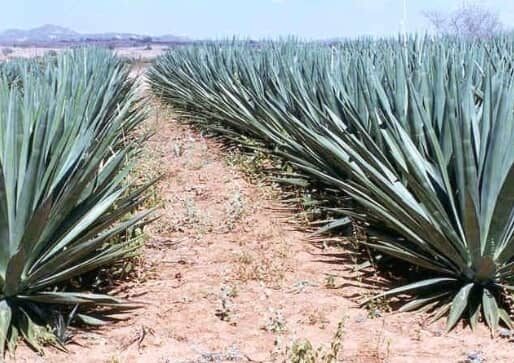
Nigerian youths can escape the perpetual poverty trap by tapping into the economic diversification of the federal government through the cultivation of Agave Sisalana.
An entrepreneur, Mr Olugbemi Adegbuyi, the pioneer producer of sisal sponge in Nigeria, stated this in an interview with our correspondent in Ibadan, the Oyo State capital, saying that cultivating Agave Sisalana will aid in sustainable revenue generation that can drive national growth.
“One of the most promising agricultural opportunities of our time is the cultivation and processing of Agave Sisalana — the plant responsible for the world-renowned sisal fibre.
“Countries like Tanzania, Brazil, Kenya, and Madagascar have built multimillion-dollar economies around sisal farming. Yet Nigeria, with its vast landmass and favourable climate, has not tapped into this goldmine. Agave Sisalana can become one of Nigeria’s highest-earning agricultural exports—if we act now,” Adegbuyi said.
He stressed that Nigeria has an advantage, considering that the plant grows in dry, semi-arid areas, meaning that farmers in regions struggling with rainfall can still earn a high, stable income by cultivating sisal.
“Farmers can generate revenue from the sale of sisal leaves to processing factories, supply of mature fibre to industrial buyers, long-term harvest cycles, which is one planting that lasts up to 12 years, zero fertiliser, low maintenance, which means lower cost of production and guaranteed local and international demand for sisal fibre,” Adegbuyi said.
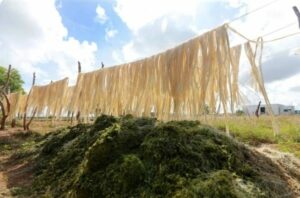
He described the economic prospect of the plant’s value chain as massive. “From cultivation to fibre extraction, product manufacturing, logistics, packaging, and export, it supports thousands of jobs.
“For every 1,000 hectares of sisal plantation, the industry can generate over 2,000 direct jobs, more than 5,000 indirect jobs across transport, machinery maintenance, product manufacturing, and export services,” he stressed.
Adegbuyi, an Ibadan-based sisal sponge dealer, noted that global demand for eco-friendly, biodegradable products has grown dramatically, thereby increasing the demand for sisal fibre and other products derived from the plant.
According to him, these include bathing sponges, ropes and twines, rugs and carpets, industrial materials, crafts and homewares, as well as agricultural binders and balers.
“Investing in this new agricultural sector will bring millions of dollars in foreign exchange, reduce Nigeria’s dependency on oil, strengthen the naira through diversified export earnings and position Nigeria as West Africa’s hub for natural fibre products,” he stressed.
Adegbuyi further maintained that growing Agave Sisalana will drive economic growth through agro-industrial development by stimulating a chain of economic activities through the establishment of local processing plants for sisal-based products.
He maintained that cultivating Agave Sisalana is more than agriculture but a strategic pathway for job creation, economic diversification, export expansion, and rural development.
“If we embrace this plant, Nigeria will not only feed its people—Nigeria will employ them, empower them, and export to the world,” he maintained.
We’ve got the edge. Get real-time reports, breaking scoops, and exclusive angles delivered straight to your phone. Don’t settle for stale news. Join LEADERSHIP NEWS on WhatsApp for 24/7 updates →
Join Our WhatsApp Channel