In preparation for the commencement of the new tax laws starting from Thursday, January 1, 2026, Anambra and Zamfara states have joined Ekiti State in passing legislation to domesticate the laws at their respective state levels by signing the Harmonised Taxes and Levies Law.
This is despite Lagos, Katsina, and Bauchi, among others, being at advanced stages of signing the law.
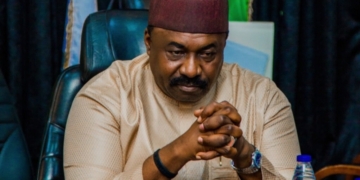
To this end, the executive governor of Anambra State, Professor Charles Chukwuma Soludo, on Monday, in Awka, Anambra State signed the Harmonised Taxes and Levies Law, making it the third State to sign this groundbreaking legislation.
Similarly, the executive governor of Zamfara State, Dauda Lawal had, a few days ago, signed the Law to Repeal and Re-enact the Zamfara State Consolidated Revenue Laws; Establish the Zamfara State Internal Revenue Service with Powers for the Assessment, Collection, and Accounting for Revenues Accruing to the Zamfara State Government; Provide for the Harmonisation of Tax and Non-Tax Revenue; Establish a Legal Framework for Effective Tax Administration and for Connected Matters.
These landmark actions, coming shortly after the passage of the Ekiti State Revenue Administration Law in Ekiti State, mark a growing consensus among states on the need to reform, modernise, and rationalise the framework for tax and non-tax revenue administration in tandem with the tax reforms agenda of President Bola Ahmed Tinubu.
The concerned state governments said that the enactment of these laws reflects a clear policy direction by state governments to dismantle fragmented and outdated revenue practices, replacing them with a pro-people, coherent and harmonised system that leverages technology, prioritises fairness and equity, certainty, and economic efficiency.
By aligning approved taxes and levies within the national tax reform framework, the Governor of Anambra State, Charles Soludo, stated that his state had taken a significant step toward eliminating multiple and overlapping charges that had imposed undue strain on citizens and businesses alike.
Stating that the benefits of these laws extend beyond administrative efficiency, he added that a harmonised revenue regime enhances transparency, curbs arbitrary collections, and restores confidence in government institutions.
Meanwhile, the Joint Revenue Board (JRB), while applauding this development, said that this move also creates a more predictable operating environment for commerce and investment, particularly for small and medium-scale enterprises that are often most affected by informal levies and enforcement abuses at the sub-national level.
These legislative milestones, the Board said, are consistent with the broader fiscal and economic reform agenda being implemented at the national level, aimed at simplifying governance processes, improving compliance through clarity rather than coercion, and ensuring that public revenue systems serve developmental, rather than extractive, purposes.
In recognising Zamfara and Anambra States, JRB acknowledged the steady momentum building across the Federation. It also disclosed that several States have made measurable progress toward enacting their own harmonised taxes and levies laws, with legislative processes at advanced stages in States such as Lagos, Katsina and Bauchi, among others.
This growing alignment, according to JRB, signals a collective resolve to bring order and uniformity to sub-national revenue administration nationwide.
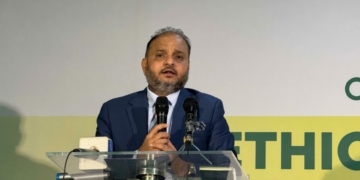
Earlier, the chairman of the Presidential Fiscal Policy and Tax Reforms Committee, Prof. Taiwo Oyedele, stated at a briefing in Lagos recently that state governments that have passed the new tax laws at the sub-national level will greatly benefit from the new tax regime.
Such adopting States, he said, will rake in N4 trillion from Value Added Tax (VAT), while State Bonds will be exempt from tax.
The new tax law billed for operation January 2026, he said, transfers the full proceeds of electronic money transfer levies to States and exempt State government bonds from tax, a development, he said, would help reduce borrowing costs and create fiscal space.
“This is a unique opportunity for States to build resilience, close existing tax gaps and invest in infrastructure,” he stressed. Oyedele urged State governments to seize the opportunity provided by upcoming reforms to move beyond survival and ensure shared prosperity
We’ve got the edge. Get real-time reports, breaking scoops, and exclusive angles delivered straight to your phone. Don’t settle for stale news. Join LEADERSHIP NEWS on WhatsApp for 24/7 updates →
Join Our WhatsApp Channel