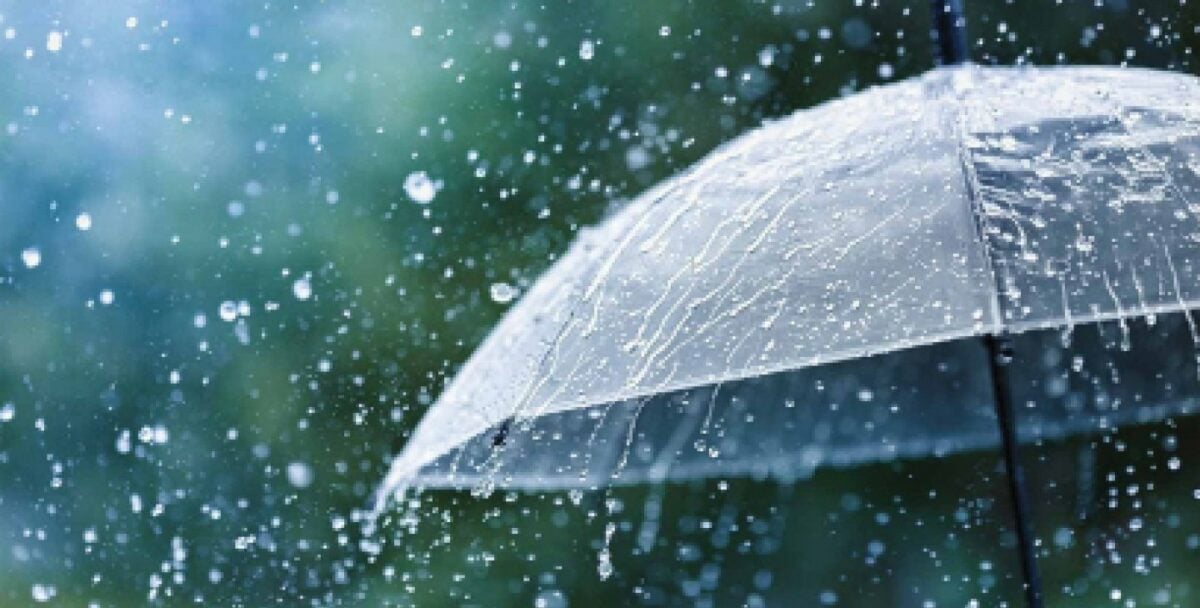
In what many in faith circles would likely describe as “showers of blessing,” many parts of Lagos State witnessed New Year’s Day rainfall on late Thursday afternoon.
Communities on the island and the mainland, especially those in the southern areas bordering Ogun State, experienced fairly heavy rainfall accompanied by thunderstorms that lasted nearly an hour.
According to reports by our correspondents, the Nigerian Meteorological Agency (NiMet) had earlier forecasted the likelihood of rainfall. However, residents who had experienced a very sizzling New Year’s Eve, with the temperature reaching nearly 30 degrees in some areas, could hardly believe the skies would open up late in the afternoon on January 1.
“It can only be divine; it’s showers of blessing. The heavens are foretelling a good year,” Mrs. Temitope Asalu, an Ikeja resident, told one of our correspondents yesterday.
The January 1 rain was also recorded in parts of Ogun and Ondo States.
Other southern coastal states that experienced unusually high rainfall in December include Delta, Rivers, Bayelsa, Akwa Ibom, and Cross River.
It was, however, not unexpected or mysterious. Data from NiMet indicated that December witnessed 12 days of rainfall in Lagos, the highest in the last five years. It was five days of rainfall in December 2023, and eight in 2024, up from zero in 2021.
Meteorologists have attributed the unusual late-year rain patterns to climate change, urban heat effects, and weak or disrupted harmattan.
“December rain doesn’t mean that the rainy season has returned,” one source said. “It signals increasing climate instability around seasonal boundaries.”
We’ve got the edge. Get real-time reports, breaking scoops, and exclusive angles delivered straight to your phone. Don’t settle for stale news. Join LEADERSHIP NEWS on WhatsApp for 24/7 updates →
Join Our WhatsApp Channel