
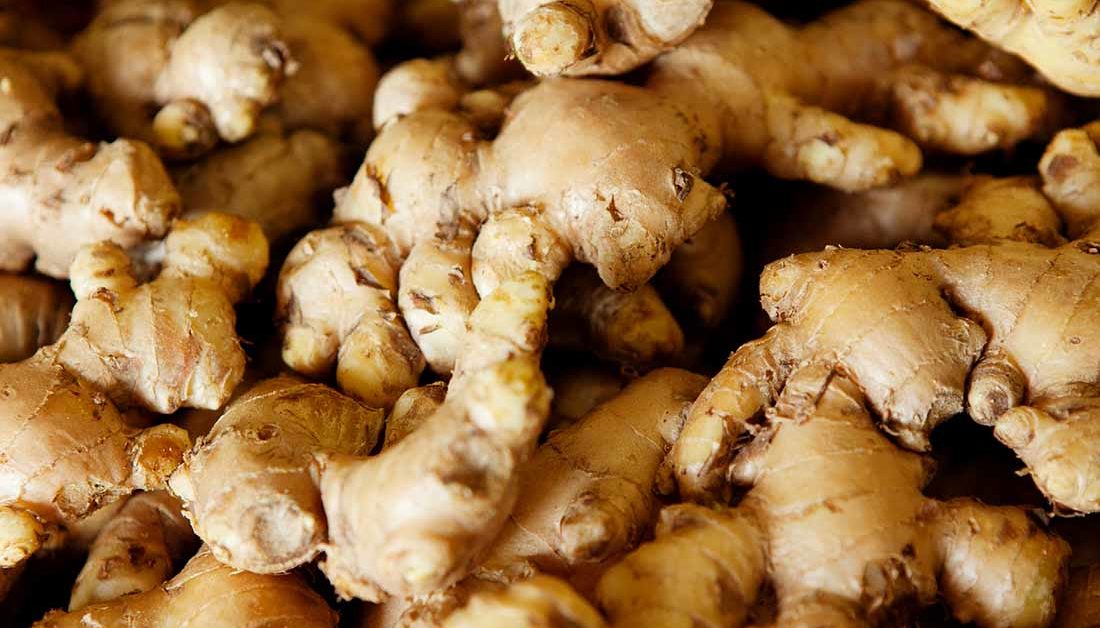
Almuhibbah Foundation has trained about 50 women farmers in Bauchi State on ginger cultivation as part of its initiative aimed at promoting food security, home gardening, and sustainable livelihoods among women.
At the event, the Bauchi State First Lady and founder of the Almuhibbah Foundation, Aishatu Bala Mohammed, said the foundation has been implementing various empowerment trainings for women, youths, and children.
She encouraged women to embrace home gardening, recalling how previous generations grew vegetables and crops around their homes for household consumption and income.
She noted that ginger has become highly valuable in the market and is widely demanded due to its medicinal benefits.
“Ginger is not only for cooking; it has many health benefits and is in high demand globally. Even if a woman produces a small quantity, it can still be a source of income,” she said.
She urged participants to take the training seriously and share the knowledge with others, stressing the importance of “training the trainers” to multiply impact across communities.
In his remarks Dr. Rashida Bala, a crop production expert at the Faculty of Agriculture and Agricultural Technology, Abubakar Tafawa Balewa University (ATBU), Bauchi, explained that although ginger production in Nigeria is often associated with Kaduna State, recent trials have shown that the crop grows successfully in Bauchi under the right conditions, hence, the need to empower women ginger farmers with the right skills needed to thrive.
Dr. Bala said the women were trained on how to cultivate ginger within their households and how to scale up production for commercial purposes.
“Ginger is not just a crop for local markets; it has strong export value and can earn foreign exchange. It is very important for improving the economy,” she said.
Dr. Bala highlighted key stages in ginger production, including land selection, seed quality, planting techniques, plant nutrition, pest and disease control, harvesting, processing, packaging, and export.
She emphasised the use of organic manure such as cow dung and poultry manure, noting that ginger thrives better with organic inputs.
Dr Bala Further explained that ginger grows best in sandy/loamy soil and does not tolerate waterlogged areas, making it unsuitable for fadama lands used for rice cultivation.
She added that ginger can be grown all year round, matures within six to eight months, and performs well under partial shade, especially in areas with trees.
We’ve got the edge. Get real-time reports, breaking scoops, and exclusive angles delivered straight to your phone. Don’t settle for stale news. Join LEADERSHIP NEWS on WhatsApp for 24/7 updates →
Join Our WhatsApp Channel