Facial recognition is one of the most innovative and rapidly evolving technologies in the world today. It has gained widespread attention and adoption across various sectors for its ability to identify and verify individuals based on their unique facial features. But how exactly does this technology work, and what are its benefits?
In this article, we will dive into the key aspects of facial recognition, exploring how it works, its applications, and why it has become a critical component in modern security solutions.
hat is Facial Recognition?
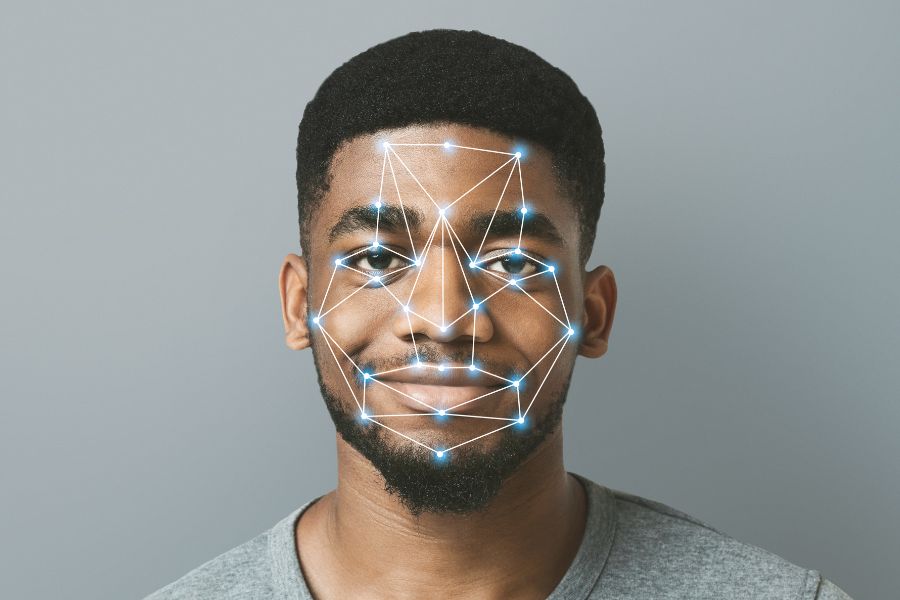
Facial recognition is a biometric technology that identifies or verifies a person’s identity by analyzing their facial features. The process of facial recognition involves capturing an image or video of a person’s face, which is then compared to a database of known faces. This comparison is made possible through advanced algorithms designed to map facial landmarks—such as the eyes, nose, and mouth—and create a unique “faceprint” for each individual.
Facial recognition systems are increasingly used in various fields, including law enforcement, healthcare, and retail. These systems offer a high level of accuracy and efficiency by utilizing biometric facial recognition to analyze and match facial data. This advanced level of analysis allows the system to recognize and authenticate individuals even in large crowds or from poor-quality images. To simplify the integration of facial recognition into different applications, developers often rely on Face Recognition SDK technologies that provide essential tools and functionalities for building robust facial recognition systems.
A crucial distinction to understand is the difference between face detection and face recognition. Face detection is the initial step where the system identifies the presence of a face in an image or video. Once a face is detected, the face recognition process begins, which involves comparing the detected face against a database to find a match.
What is Facial Recognition Used For?
Facial recognition technology has a wide range of applications, primarily driven by its ability to enhance security and streamline processes. Some of the most common uses include:
1. Security and Surveillance: Facial recognition systems are heavily employed in security settings. Airports, government buildings, and public spaces use facial recognition technology to monitor and identify individuals who pose security risks. Law enforcement agencies rely on these systems to compare mugshots of criminals against a database of known offenders.
2. Mobile Device Unlocking: Many smartphones and tablets now use facial recognition to unlock devices. Apple’s FaceID is one of the most popular examples of this application, providing a convenient, secure way to access mobile devices without needing passwords or PINs.
3. Banking and Payments: Facial recognition systems are being integrated into banking platforms, allowing customers to verify their identity and authorize transactions using face recognition. This eliminates the need for traditional passwords or PIN codes, improving both convenience and security.
4. Retail and Customer Experience: Retailers are exploring facial recognition to enhance customer service. For example, systems can identify repeat customers and offer personalized recommendations based on their past purchases.
5. Attendance Tracking: Educational institutions and workplaces are adopting facial recognition to track student or employee attendance. This use case minimizes the risk of time fraud and helps ensure accurate record-keeping.
6. Border Control: Airports and border control agencies are increasingly using facial recognition technology to streamline the identification process for passengers. Biometric facial recognition can verify travelers’ identities against their passports, reducing waiting times and improving security at checkpoints.
7. Healthcare: In healthcare, facial recognition is used to access patient records and ensure the right person receives the appropriate medical attention. It also aids in detecting patient emotions and pain levels, improving overall patient care.
How Does Facial Recognition Work?
The process of facial recognition typically involves several key steps that make the technology effective:
1. Face Detection: The system first locates the presence of a face in an image or video. Face detection is made possible by algorithms that scan the image for facial features such as the eyes, nose, and mouth. This step is crucial for initiating the recognition process.
2. Face Analysis: Once a face is detected, the system proceeds to analyze it. This involves creating a digital map of the face by measuring key facial landmarks, such as the distance between the eyes, the shape of the nose, and the contours of the chin. This is where face analysis takes place, converting the facial features into a set of numerical data known as a “faceprint.”
3. Converting the Image to Data: The image of the face is transformed into a mathematical representation—a unique set of numbers that encode the facial features. This step enables the system to compare faces efficiently and accurately, as the data from the faceprint is easy to process.
4. Matching the Face: The final step involves comparing the captured faceprint against a database of known faces. A facial recognition algorithm is employed to find matches based on similarity. The system calculates a similarity score between the new faceprint and the ones stored in the database, and if the score exceeds a certain threshold, a match is confirmed.
Facial recognition algorithms continue to improve, with newer systems utilizing deep learning techniques that enhance the system’s accuracy even in challenging conditions like low-light environments or when facial features are partially obscured.
Facial recognition technology offers numerous advantages, making it a powerful tool in various sectors. Below are some key benefits:
1. Enhanced Security: One of the most significant benefits of facial recognition is improved security. In public spaces, government buildings, and high-security areas, facial recognition systems help identify potential threats in real time. The ability of these systems to detect and recognize faces from a distance and within crowds strengthens overall surveillance efforts.
2. Convenience and Speed: Compared to traditional security methods like passwords or ID cards, facial recognition offers a quicker and more convenient authentication process. Whether it’s unlocking a phone or passing through airport security, facial recognition eliminates the need for physical interaction, speeding up the process while maintaining a high level of accuracy.
3. Fraud Prevention: In financial services, facial recognition systems help prevent fraud by ensuring that only authorized individuals can access accounts or make transactions. The biometric nature of the technology makes it nearly impossible for fraudsters to spoof or duplicate someone’s identity.
4. Non-Intrusive: Unlike fingerprint or iris scanning, which require physical contact, facial recognition is a non-intrusive biometric technology. Users simply need to look into a camera, making the process seamless and comfortable.
5. Scalability: Facial recognition systems can easily be scaled to match growing security needs. Whether you’re managing a small retail store or an airport with millions of travelers, facial recognition technology can adapt to handle varying levels of demand.
6. Reduced Crime Rates: In settings like retail, facial recognition helps deter theft by identifying known shoplifters. In broader security contexts, the presence of facial recognition systems acts as a deterrent to criminals, reducing overall crime rates.
7. Improved Customer Experience: Businesses are utilizing facial recognition to personalize customer experiences. Retailers can offer personalized recommendations based on a customer’s past purchases, while healthcare providers can tailor treatment plans based on facial analysis of a patient’s condition.
Conclusion
Facial recognition technology has revolutionized the way we approach security, customer service, and convenience. From airports and banks to smartphones and retail stores, facial recognition systems offer a secure, efficient, and scalable solution for identity verification. As this technology continues to evolve, its applications will only grow, offering even more ways to enhance security and streamline processes across industries.
In summary, facial recognition works by detecting and analyzing facial features, converting the image into data, and matching it against a database. It provides benefits such as improved security, fraud prevention, and convenience, making it a valuable tool in today’s digital world. While facial recognition technology raises privacy and ethical concerns, the benefits of facial recognition systems in areas like security, customer experience, and healthcare make it a promising and indispensable technology for the future. By leveraging a Face recognition SDK, developers can easily integrate this technology into various applications, further expanding its use cases and enhancing its functionality.
We’ve got the edge. Get real-time reports, breaking scoops, and exclusive angles delivered straight to your phone. Don’t settle for stale news. Join LEADERSHIP NEWS on WhatsApp for 24/7 updates →