
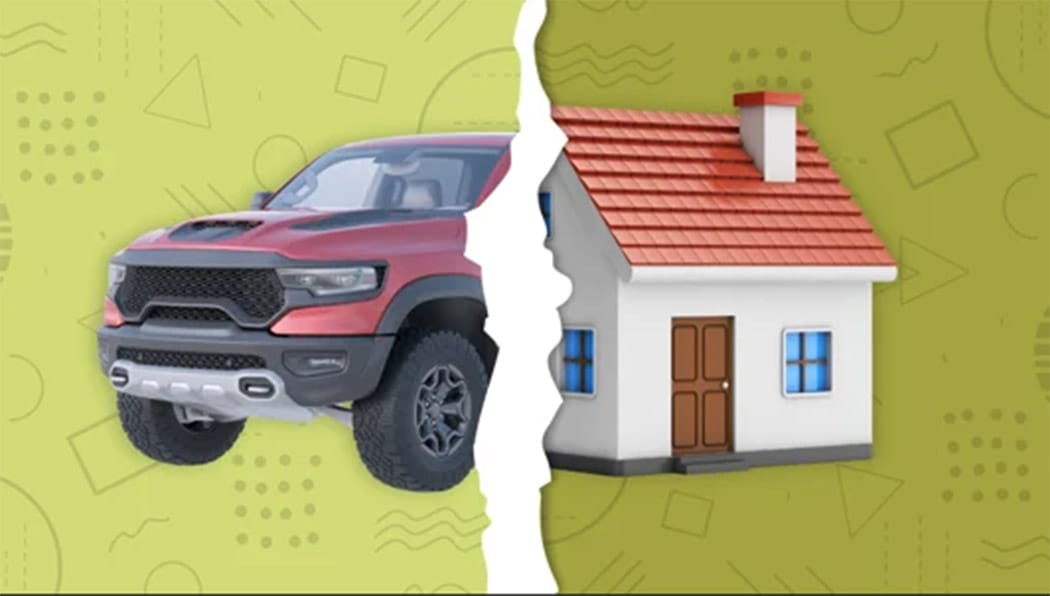
A significant majority of Nigerian households have signalled that acquiring homes, vehicles and other high-value assets are not among their immediate spending priorities, according to the January 2026 Household Expectations Survey released by the Central Bank of Nigeria (CBN).
The latest consumer expectations data show that despite modest improvements in overall economic sentiment and family income expectations at the start of the year, households remained cautious about big-ticket purchases.
The Buying Intention Index for major assets such as houses, cars and consumer durables lingered well below the threshold that signals readiness to buy, underlining a clear reluctance among Nigerians to allocate substantial portions of their income to such acquisitions.
According to the CBN’s survey, the indices capturing intentions to purchase high-value items such as motor vehicles and buildings remained subdued across current, three-month and six-month outlooks, reflecting continued hesitation among respondents to commit to these purchases given prevailing economic conditions.
The Buying Condition Index for high-value items-namely consumer durables, motor vehicles, and buildings and landed properties consistently stayed below the 50.0 threshold across all timeframes. This indicates that a significant number of respondents do not consider it an opportune time to make such investments.
In the current period, intentions to purchase buildings and landed properties stood at a mere 17.6 index points, while interest in buying cars or motor vehicles was even lower at 18.1 points. Both figures remain well below the 50-point threshold that signals a balance between prospective buyers and non-buyers.
On the outlook for the next three and six months, the numbers tell the same story. The index for buildings and landed properties in six months was slightly higher at but still weak 28.5 points, and the motor vehicles buying intention index was only 25.0 points, underscoring ongoing caution among households.
An analysis of planned expenditure for January 2026 shows a strong preference for essential needs across all time frames. Food and Other Household Items recorded the highest expenditure outlook and are expected to remain the leading priority over the next six months. The expenditure outlook for Education, Transportation, and Electricity followed closely, but are expected to remain priority over next six months.
We’ve got the edge. Get real-time reports, breaking scoops, and exclusive angles delivered straight to your phone. Don’t settle for stale news. Join LEADERSHIP NEWS on WhatsApp for 24/7 updates →