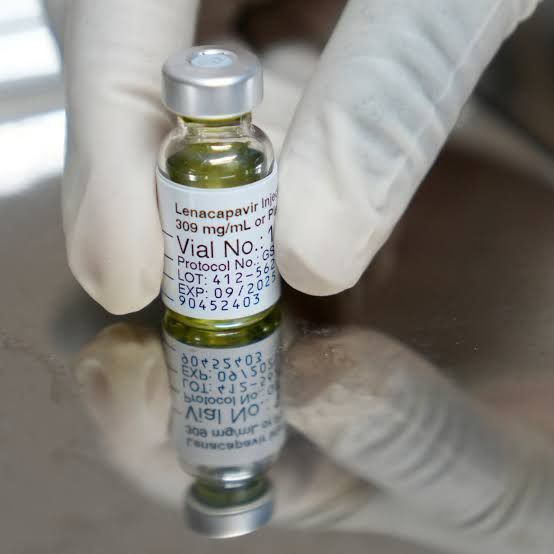
In the global fight against HIV, the “holy grail” has long been the quest for a prevention method that is highly effective, discreet, and easy to maintain. That moment may have finally arrived with Lenacapavir, a revolutionary twice-yearly injection that has sent shockwaves through the medical community.
For Nigeria—a country with the fourth-largest HIV burden in the world—this breakthrough is a potential “game-changer” for public health.
Developed by the American biopharmaceutical company Gilead Sciences, Lenacapavir (marketed as Sunlenca for treatment and Yeztugo for prevention) is the first of its kind. Unlike traditional HIV drugs that target the virus’s enzymes, Lenacapavir is a capsid inhibitor.
It works by attacking the HIV “capsid”—the sturdy protein shell that protects the virus’s genetic material. By disrupting this shell at multiple stages, the drug prevents the virus from entering a cell’s nucleus and prevents new viruses from forming.
The Breakthrough is its “100% Efficacy”. The global excitement stems from two landmark clinical trials:
PURPOSE 1: Conducted among young women in South Africa and Uganda, the trial showed zero HIV infections among those receiving the injection.
PURPOSE 2: Conducted among men and gender-diverse individuals, the trial showed 99.9% effectiveness, with only two infections recorded out of thousands of participants.
These results outperformed the current “gold standard”—daily oral PrEP (Pre-Exposure Prophylaxis) pills—largely because the injection eliminates the risk of forgetting a daily dose.
What This Means for Nigeria
Nigeria’s HIV response has often struggled with “pill fatigue” and the stigma of carrying medication. A person at risk can now receive one injection every six months—just two shots a year—to remain protected.
While the drug costs over $28,000 per year in the U.S., a landmark agreement reached at the UN General Assembly in late 2025 has cleared the way for generic versions. Nigeria is among the 120 countries granted access to these generics, which are expected to cost approximately $40 (roughly ₦65,000 – ₦70,000) per year.
Pros: (The Good News)
Superior Protection: Near-total immunity if taken as scheduled.
Discretion: No pill bottles to hide; protects privacy and reduces stigma.
High Adherence: Easier to remember two shots a year than 365 pills.
Broad Safety: Safe for use during pregnancy and breastfeeding.
Cons: The Challenges
Injection Site Reactions: Common side effects include small, painless lumps or redness at the injection site.
System Reliance: Requires a visit to a clinic every 6 months; cannot be self-administered.
The “Loading” Phase: The first dose requires a few days of pills to “prime” the body before the first shot.
Cost Barrier: Even at $40/year, it may be out of reach for Nigeria’s poorest without government subsidies.
What Every Nigerian Should Know
As the Nigerian government and partners like PEPFAR work toward a 2026/2027 rollout, here is what you need to know:
It is NOT a Cure: Lenacapavir prevents infection; it does not cure those already living with HIV.
Testing is Mandatory: You must test negative for HIV before starting. Taking the drug while already positive can lead to drug resistance.
No Protection Against Other STIs: It does not prevent pregnancy, Syphilis, or Gonorrhea. Condoms remain a vital tool.
Consistency is Key: If you miss your six-month window, your protection drops significantly.
Lenacapavir represents a historic shift and could be a major win in the fight against HIV. If Nigeria can navigate the logistics of distribution and ensure the $40 price tag is subsidised for those in need, we may finally see the “beginning of the end” of the HIV epidemic.
We’ve got the edge. Get real-time reports, breaking scoops, and exclusive angles delivered straight to your phone. Don’t settle for stale news. Join LEADERSHIP NEWS on WhatsApp for 24/7 updates →
Join Our WhatsApp Channel