
The Senate yesterday highlighted sweeping reforms contained in the newly enacted Electoral Act, 2026, describing the legislation as a comprehensive framework designed to strengthen transparency, accountability, and institutional independence in Nigeria’s electoral system.
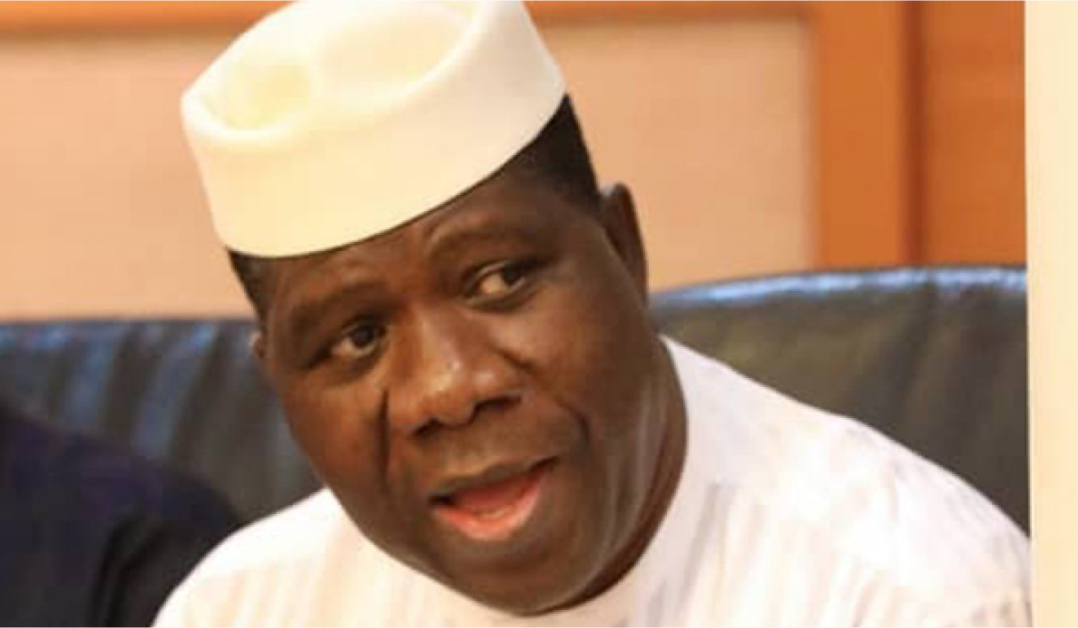
Leader of the Senate, Opeyemi Bamidele, disclosed the highlights in a statement issued by the Directorate of Media and Public Affairs, Office of his office.
According to Bamidele, the new law followed two years of extensive consultations involving the Independent National Electoral Commission (INEC), the Office of the Attorney-General of the Federation (OAGF), civil society organisations (CSOs), and development partners.
He explained that, contrary to insinuations in some quarters, the legislative process was inclusive and collaborative, with stakeholders’ inputs incorporated into the final document before it was transmitted to President Bola Ahmed Tinubu for assent.
Tinubu signed the Electoral Bill 2026 into law within 24 hours of its transmission, completing what lawmakers described as a two-year recrafting process aimed at averting constitutional uncertainties ahead of the 2027 general election.
Bamidele noted that one of the major reforms is the establishment of a dedicated fund for INEC under Section 3 of the Act, aimed at guaranteeing the commission’s financial autonomy, operational stability, and administrative continuity.
He said the law also mandates the release of election funds at least six months before general elections.
He emphasised that Section 47 now makes the deployment of the Bimodal Voter Accreditation System (BVAS), or any other technological device prescribed by INEC, mandatory for voter accreditation.
Similarly, he said Section 60(3) provides for the compulsory electronic transmission of election results to the INEC Result Viewing Portal (IReV), while Section 60(6) prescribes a six-month jail term or a fine of ₦500,000, or both, for any presiding officer who willfully frustrates the electronic transmission of results.
However, he said the Act permits conditional resort to manual transmission using Form EC8A in cases of proven communication failure.
“The law also introduces stiff penalties for electoral misconduct. Section 74(1) mandates Resident Electoral Commissioners (RECs) to release certified true copies of documents within 24 hours of payment, with a minimum two-year term of imprisonment without the option of a fine for non-compliance.
“Under Section 125, offences such as vote buying, impersonation, and result manipulation now attract up to two years’ imprisonment or fines ranging from ₦500,000 to ₦2 million, or both,” Bamidele said.
In a major shift from the repealed 2022 Act, Bamidele said the 2026 law provides for only direct and consensus primaries, effectively phasing out indirect primaries.
He said Section 77 mandates political parties to maintain a digital register of members, issue membership cards, and submit the register to INEC at least 21 days before primaries, congresses, or conventions.
He added that failure to comply will disqualify a party from fielding candidates in the affected election.
The Act also reviews campaign spending limits upward across elective offices. The presidential spending cap has been increased from ₦5 billion to ₦10 billion, while the governorship limit rose from ₦1 billion to ₦3 billion. Adjustments were also made for National Assembly, state assembly, and local government positions.
He said other notable provisions include measures to enhance inclusivity, such as support mechanisms for persons with visual impairment and guidelines permitting gender-based queue separation in areas where cultural practices require it.
Bamidele described the new Electoral Act as a consolidation and refinement of Nigeria’s electoral governance framework.
“The Act seeks to enhance electoral credibility, reduce disputes, and strengthen democratic governance in Nigeria,” he said, adding that it emphasises financial and operational independence for INEC, technological integration with safeguards, stricter penalties for offences, and stronger regulation of political parties.
We’ve got the edge. Get real-time reports, breaking scoops, and exclusive angles delivered straight to your phone. Don’t settle for stale news. Join LEADERSHIP NEWS on WhatsApp for 24/7 updates →
Join Our WhatsApp Channel