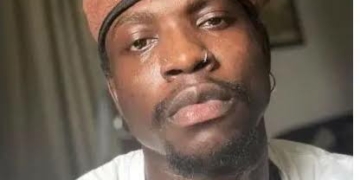
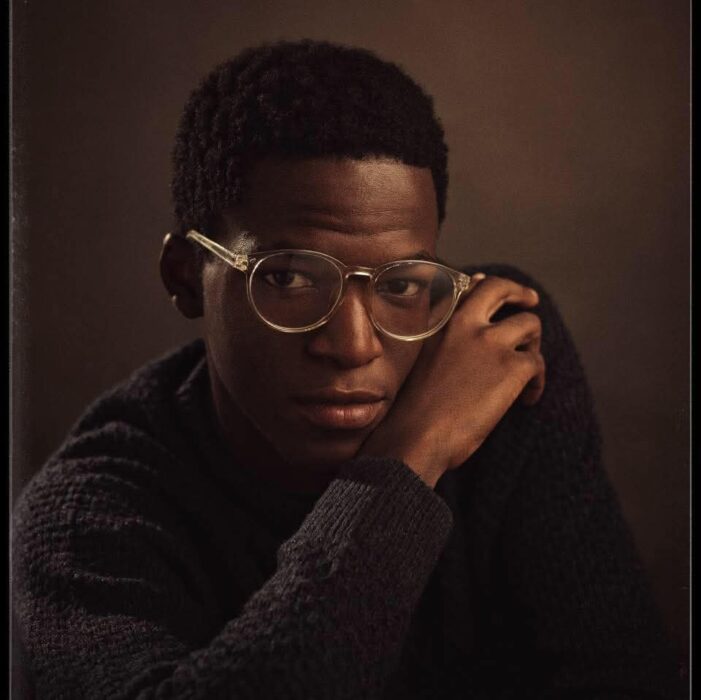
A short documentary titled ‘Lagos: War Against Camera’ explores the line between filming and authority in Lagos State, Nigeria.
The six-minute-and-a-second documentary highlights the harassment journalists, filmmakers, and content creators face from local, often unauthorised, street enforcers popularly known as ‘Agberos’.
Journalists Bernard Akede and Emole David narrated their experience of being manhandled by the ‘Omo Niles’.
Akede said he and his teammate were accosted by the street enforcers during a street reporting segment, causing damage to their camera. They had to go off-air when they became physically abusive.
David was not physically assaulted by the street enforcers but hauled into the Black Maria by six police officers attached to a Lagos Police Station, where he was further verbally abused and manhandled “for doing his job.
Agberos are often in search of one thing – money. They demand to be paid and even determine how much they are paid, from N50,000 to N100,000 to N200,000.
“They are not approaching you in a negotiating way. It is a solid order, a strong statement saying pay us,” said Akede.
A scene from the film shows an Agbero saying, “Na we ourselves tell ourselves to say, ‘You need permission. If they ignore us, maybe he is ready to lose his camera, or he won’t shoot. He won’t shoot, and one slap at least will touch his head”.
“The legal term for individuals who don’t have anything tied to a certain location, and those not tied to any government that asks you for money before you can record in a place, is extortion,” said Lawyer, Omoregie Precious.
She attributed the reasons for the rampant activity by non-state stakeholders, including the Agberos, demanding that people not record videos without paying them, to the absence of “clear set laws”.
One of such examples is the law regarding seeking consent from people before taking photos or videos of them, be it in a public or a private space. And this wasn’t raised in the documentary.
The documentary ended with the Documentary Photographer, Jean Fidele, and Video Director, Nasky, urging media creators to choose their life over content.
“When the situation is beyond your power, beyond what you can handle, it is better you just pack your things and leave,” said Nasky.
“No picture is worth your life, as a photographer,” said Fidele.
Yet, for the love of their jobs, they could not quit their profession and would likely continue to come up against these street enforcers.
“It enables me to express myself a bit more,” said Nasky.
“It is my passion,” averred David
“I like to tell stories of Lagos, stories of people, I like to tell stories of places,” said Fidele.
We’ve got the edge. Get real-time reports, breaking scoops, and exclusive angles delivered straight to your phone. Don’t settle for stale news. Join LEADERSHIP NEWS on WhatsApp for 24/7 updates →
Join Our WhatsApp Channel