It is increasingly becoming the Nigerian world as her citizens, especially women, take up global roles in critical sectors.
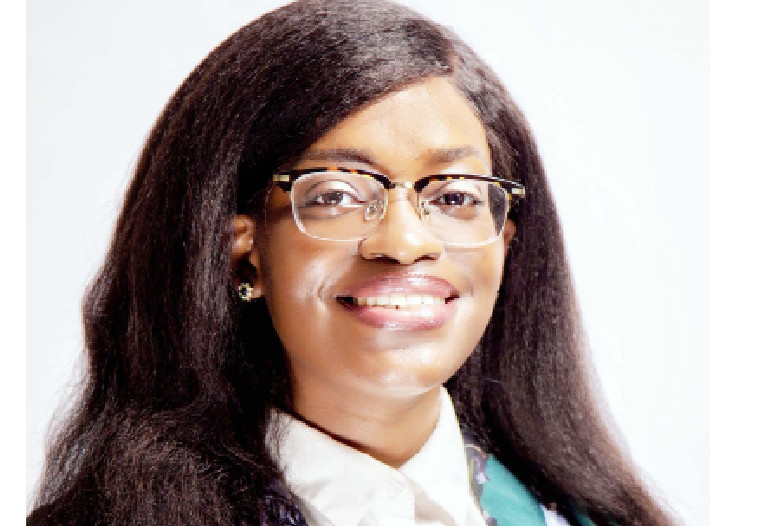
The latest addition to the country’s growing list of global achievers is Nigerian-born artificial intelligence researcher and policy strategist, Dr Chinasa Okolo.
Recently, she added another remarkable achievement to her growing list of global accomplishments by being selected as a 2026 Africa Fellow at the World Bank Group. Okolo’s appointment places her at the centre of one of the world’s most influential development institutions, where she will help shape policies and solutions to address some of the most pressing socioeconomic challenges facing developing nations.
The Africa Fellowship programme of the World Bank is widely regarded as a prestigious initiative that identifies and nurtures exceptional African talent. It offers early-career scholars the rare opportunity to work directly within the global bank’s operational and research ecosystem.
According to BellaNaija.com, for Okolo, this means joining the Development Economics Research Group, specifically within the Poverty, Inequality, and Human Development unit—a space where research directly informs policy decisions affecting millions of people worldwide.
In this role, Okolo is developing artificial intelligence models to tackle real-world problems, particularly those affecting low- and middle-income countries. She is also contributing to the World Development Report, a flagship publication of the World Bank that provides data-driven insights and policy recommendations on global development issues.
Her work reflects a growing recognition of the role that emerging technologies, especially AI, can play in addressing inequality, improving governance and accelerating inclusive growth.
Okolo’s journey to this point is a story of academic excellence, professional dedication and a clear commitment to using technology for social good. She holds both a doctoral degree and a master’s degree in computer science from Cornell University, one of the world’s leading research institutions. Her academic work has consistently focused on the intersection of artificial intelligence and society, particularly how AI systems can be designed and governed to benefit underserved populations.
Beyond academia, Okolo has built an impressive professional profile that spans some of the world’s most influential technology and policy institutions. She has worked in research roles at Apple Inc. and Microsoft, gaining hands-on experience in cutting-edge technology development. She has also contributed to policy discourse as a fellow at the Brookings Institution, further strengthening her expertise in the governance and ethical implications of AI.
Her contributions to the field have not gone unnoticed. Okolo has been recognised globally for her work in artificial intelligence, particularly in AI governance and safety. She made TIME’s list of the most influential people in AI and was also included in Forbes’ inaugural 30 Under 30 list in the AI category—honours that underscore her growing influence in a field that is rapidly shaping the future of economies and societies.
What sets Okolo apart is not just her technical expertise, but her focus on ensuring that AI systems are developed with fairness, accountability and inclusivity in mind. Much of her research addresses the risks posed by poorly governed AI systems, especially in regions where regulatory frameworks are still evolving. By advocating for responsible AI practices, she has positioned herself as a leading voice in conversations about how technology can be harnessed to reduce, rather than deepen, existing inequalities.
Commenting on her new role as reported in various media platforms, Okolo expressed both gratitude and enthusiasm for the opportunity. She noted that working within the World Bank has already expanded her understanding of development challenges beyond the confines of digital technology.
According to her, the experience has strengthened her ability to engage with complex global issues at the intersection of technology, policy, and socioeconomic development.
Her appointment also highlights the growing presence of Nigerian professionals on the global stage, particularly in fields critical to the future of work and development. As countries across Africa continue to explore the potential of digital transformation, experts like Okolo are playing a crucial role in shaping how these technologies are deployed and governed.
For many young Africans, Okolo’s journey serves as both an inspiration and a roadmap. It demonstrates the possibilities that exist at the intersection of education, innovation and global engagement. More importantly, it reinforces the idea that African talent can play a leading role in shaping global solutions to shared challenges.
Her work at the World Bank not only marks a personal milestone but also represents a broader shift toward more inclusive and globally representative approaches to technology and policy.
We’ve got the edge. Get real-time reports, breaking scoops, and exclusive angles delivered straight to your phone. Don’t settle for stale news. Join LEADERSHIP NEWS on WhatsApp for 24/7 updates →
Join Our WhatsApp Channel