Nigeria joins the global community on the 24th of March every year to commemorate World TB Day. It is a day set aside to raise awareness about the devastating health, social, and economic consequences of the disease and to galvanize stronger efforts to tackle it.
The day also serves to recall the historic discovery of the TB bacillus in 1882, which paved the way for modern diagnosis and treatment.
This year’s theme “Yes! We Can End TB”, underscores a fundamental truth: ending TB requires strong leadership from government, while communities remain the driving force for awareness, prevention, treatment adherence, and accountability.
The country continues to bear a significant share of the Tuberculosis burden which remains one of the leading infectious diseases globally.
According to World Health Organisation (WHO), TB remains one of the world’s deadliest infectious diseases, with about 1.23 million deaths recorded globallly.
As of March 2026, Nigeria ranks sixth globally and first in Africa with an estimated 510,000 iTB cases in 2025 and approximately 219 cases per 100,000 population.
At this year’s commemoration, the National Coordinator of the National Tuberculosis, Leprosy and Buruli Ulcer Control Programme(NTBLCP), said that an estimated 175,000 TB cases go undetected in the country.
Sadly, Nigeria’s large number of undetected cases continues to drive transmission.
Besides that is the growing threat of drug-resistant tuberculosis, which occurs when patients fail to complete treatment or cannot access appropriate medicines.
The acting National Coordinator, (NTBLCP),Clement Adesigbin,
identified stigma, funding gaps, and maintaining quality of care as key challenges, highlighting opportunities in strengthening the health system and expanding private sector involvement.
We recognise that detection rates have significantly improved, with over 450,000 cases diagnosed and placed on treatment in 2025, all thanks to the use of digital X-ray systems with Artificial Intelligence (AI) and the Mobile Application for TB Screening (MATS), which have enhanced case finding, especially in the private sector.
However, the country still faces a massive financing gap for TB services, especially due to reduced international donor support.
The WHO said TB still causes a high number of deaths annually, with reports indicating 56,000 deaths among HIV-negative people in last year’s annual assessment.
Nigeria is currently implementing its National Strategic Plan (2021-2026) aiming to reduce TB mortality and incidence.
But a lot of challenges contend with the quest to rid the nation of tuberculosis. Prominent among them is the global health financing landscape .According to the nation’s TB control body, donor support is becoming increasingly constrained in the fight against TB.
This reality makes domestic resource mobilization for TB more critical than ever before.
Stakeholders and public health advocates have called for increased domestic funding, improved access to diagnosis, and sustained community engagement to tackle the disease.
Sustainable financing from government budgets, private sector contributions, and innovative financing mechanisms are critical to sustaining TB programmes and ensuring that no Nigerian is left behind in accessing TB prevention, diagnosis, and treatment services.
The Minister of Health and Social Welfare, Prof Muhammad Ali Pate, said the National Tuberculosis and Leprosy Control Programme (NTBLCP) is spearheading the national rollout of the Pluslife Mini Dock diagnostic platform.
He said the federal government is rolling out over a thousand of the diagnostic equipment as far as to the most remote communities, ensuring that no Nigerian is left behind due to geography.
State and local government need to partner this drive in the communities to ensure that TB challenge is addressed.
Speaking to the slogan for this year’s celebration, communities remain the driving force for awareness, prevention, treatment adherence, and accountability.
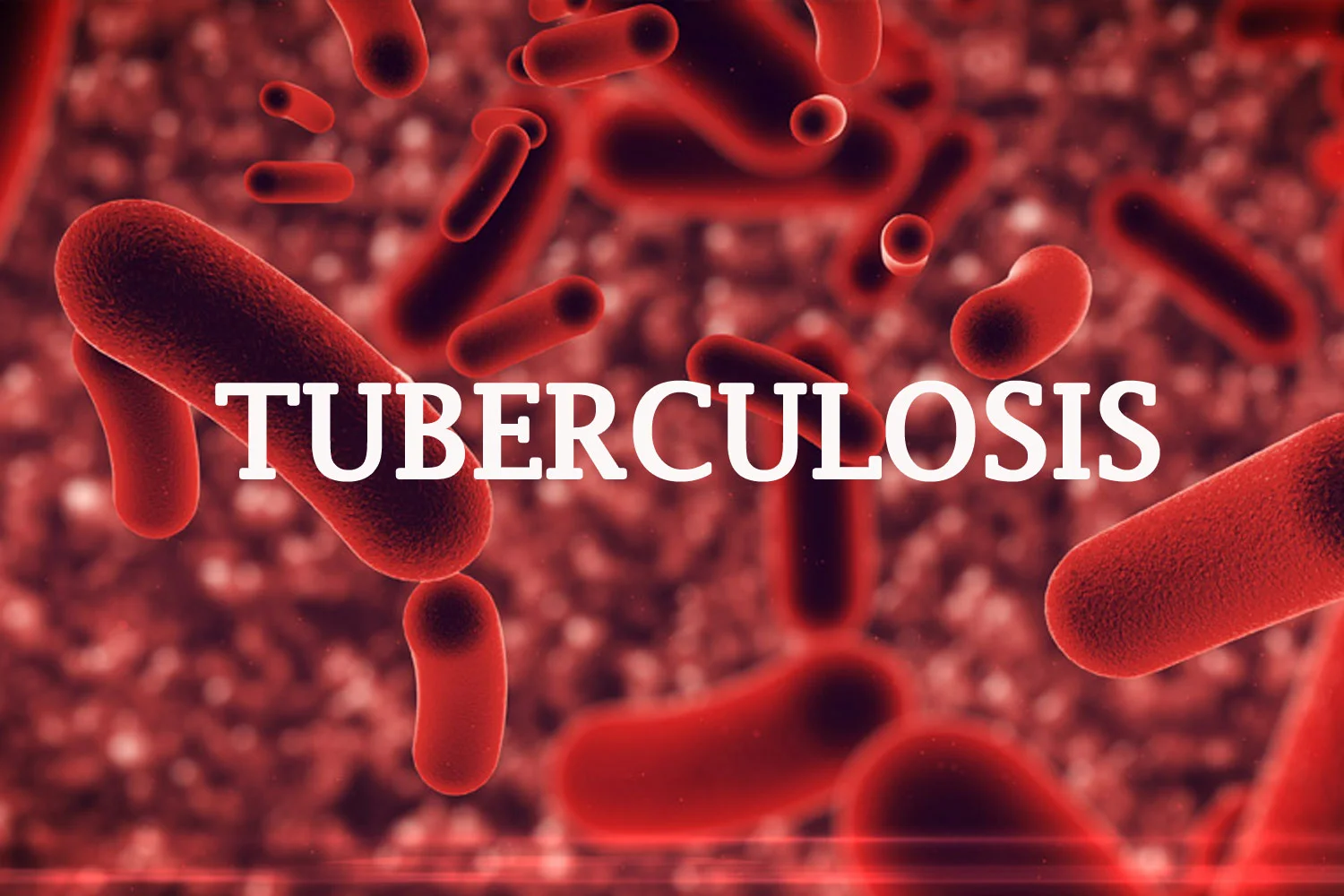
Tuberculosis is caused by a bacterium known as Mycobacterium tuberculosis which mainly affects the lungs; a condition called pulmonary TB, but can also spread to other parts of the body, such as the kidneys, spine or brain.
Experts note that those at higher risk of developing active TB include people living with HIV, individuals with diabetes or undernutrition, and those who use tobacco or alcohol.
The most common symptoms of TB include a persistent cough lasting more than two weeks, coughing up blood, chest pain, fatigue, weight loss, fever, and night sweats.
We’ve got the edge. Get real-time reports, breaking scoops, and exclusive angles delivered straight to your phone. Don’t settle for stale news. Join LEADERSHIP NEWS on WhatsApp for 24/7 updates →
Join Our WhatsApp Channel